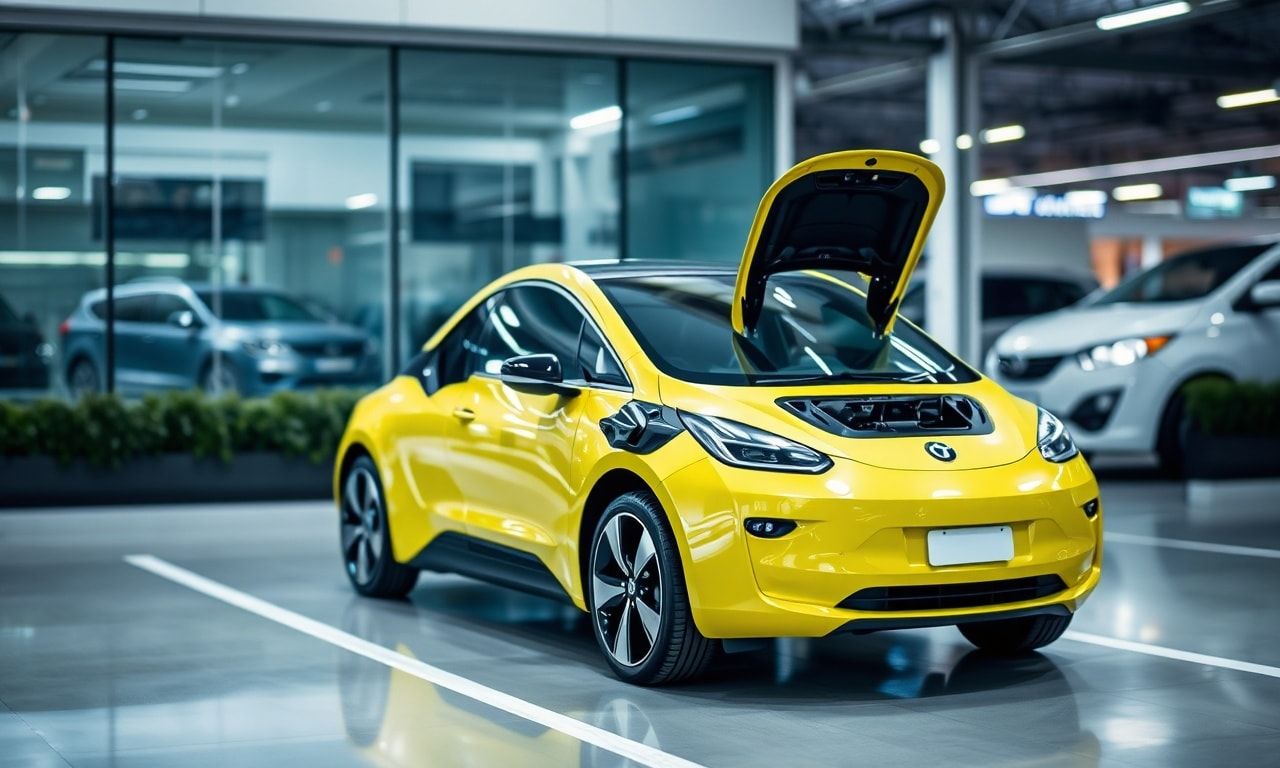
The Global Shift Towards Electric Vehicles
The automotive industry is undergoing a significant transformation, driven by the global shift towards electric vehicles (EVs). This transition is fueled by environmental concerns, technological advancements, and government policies aimed at reducing carbon emissions. As countries worldwide set ambitious targets to phase out internal combustion engine (ICE) vehicles, the demand for EVs is surging. This article explores the current state of EV adoption, the challenges faced by the industry, and the future outlook.
The Current State of EV Adoption
Electric vehicles are gaining traction across the globe, with countries like Norway, China, and the United States leading the way. Norway, in particular, has emerged as a frontrunner, with EVs accounting for over 50% of new car sales in 2020. This remarkable achievement is attributed to substantial government incentives, including tax exemptions and access to bus lanes. China, the world’s largest auto market, has also made significant strides, with EV sales reaching 1.3 million units in 2020, despite the COVID-19 pandemic.
In the United States, the adoption of EVs has been steady, with California being the leading state. The state’s stringent emissions regulations and incentives have encouraged consumers to switch to electric vehicles. Tesla, the pioneer in the EV market, continues to dominate, but traditional automakers like Ford and General Motors are also ramping up their EV offerings.
Government Policies and Incentives
Government policies play a crucial role in accelerating EV adoption. Many countries have introduced incentives such as tax credits, rebates, and reduced registration fees to make EVs more affordable. For instance, the European Union has set a target to have at least 30 million zero-emission vehicles on its roads by 2030. Similarly, the United Kingdom has announced a ban on the sale of new petrol and diesel cars by 2030, further boosting the demand for EVs.
In addition to financial incentives, governments are investing heavily in charging infrastructure. The expansion of public charging networks is essential to address range anxiety, a significant barrier to EV adoption. Countries like Germany and the Netherlands have made substantial progress in this area, with thousands of charging stations already in place.
Challenges Facing the EV Industry
Despite the rapid growth, the EV industry faces several challenges that need to be addressed to ensure sustainable long-term growth. One of the primary concerns is the high upfront cost of electric vehicles. Although the total cost of ownership is often lower due to reduced maintenance and fuel costs, the initial price tag remains a barrier for many consumers. However, advancements in battery technology and economies of scale are expected to drive prices down in the coming years.
Another significant challenge is the availability of raw materials required for EV batteries, such as lithium, cobalt, and nickel. The demand for these materials is expected to surge as EV production ramps up, leading to potential supply chain disruptions and ethical concerns related to mining practices. To mitigate these issues, automakers are exploring alternative battery chemistries and recycling programs.
Infrastructure and Charging Networks
The development of a robust charging infrastructure is critical to support the growing number of EVs on the road. While significant progress has been made in urban areas, rural and remote regions still lag behind. This disparity can create range anxiety for EV owners, especially during long-distance travel. To address this, governments and private companies are collaborating to expand charging networks, ensuring that EVs can be charged conveniently and quickly.
Moreover, the integration of smart charging technologies and vehicle-to-grid (V2G) systems can enhance the efficiency of charging infrastructure. Smart charging allows EVs to charge during off-peak hours, reducing the strain on the electrical grid. V2G technology, on the other hand, enables EVs to feed electricity back into the grid, providing a valuable energy storage solution.
The Future of Electric Vehicles
The future of electric vehicles looks promising, with continued advancements in technology and supportive government policies. The development of solid-state batteries, for instance, could significantly increase energy density and reduce charging times. Additionally, the growth of autonomous driving technology is expected to complement the EV revolution, creating a more sustainable and efficient transportation system.
As the global push towards electrification gains momentum, it is essential to address the challenges and ensure a smooth transition. The collaboration between governments, automakers, and consumers will be crucial in shaping the future of electric vehicles. With the right policies and investments, the vision of a zero-emission transportation system can become a reality.
Understanding the Costs of EV Ownership
For consumers considering the switch to electric vehicles, understanding the total cost of ownership is essential. While the upfront cost of an EV may be higher than that of a traditional ICE vehicle, the long-term savings on fuel and maintenance can be substantial. It is also important to consider the elektrikli araba bakım maliyeti and the availability of charging infrastructure in your area. By weighing these factors, consumers can make an informed decision and enjoy the benefits of EV ownership.
As businesses increasingly prioritize sustainability, a new report examines how digital marketing strategies are evolving to support these green initiatives, highlighting what experts call marketing’s sustainable shift.
As electric vehicles continue to gain traction worldwide, our latest feature, global shift to electric transport, offers an in-depth look at this evolving trend and its implications.