Introduction
The world is witnessing a significant shift towards sustainable urban mobility as cities strive to reduce their carbon footprint and improve the quality of life for their residents. This article explores the latest trends, initiatives, and challenges in sustainable urban mobility, highlighting the efforts of various cities around the globe.
Electric Vehicles and Charging Infrastructure
One of the most notable trends in sustainable urban mobility is the rapid adoption of electric vehicles (EVs). Cities are investing heavily in expanding their charging infrastructure to support this transition. For instance, Oslo, Norway, has set a goal to become a zero-emission city by 2030, and it is well on its way with a growing network of charging stations and incentives for EV purchases.
Similarly, cities in China are leading the way in EV adoption. Shanghai, for example, has implemented a comprehensive plan to promote electric buses and taxis, aiming to have 100% of its public transport fleet electric by 2030. These initiatives are not only reducing emissions but also creating new economic opportunities.
Public Transport Innovations
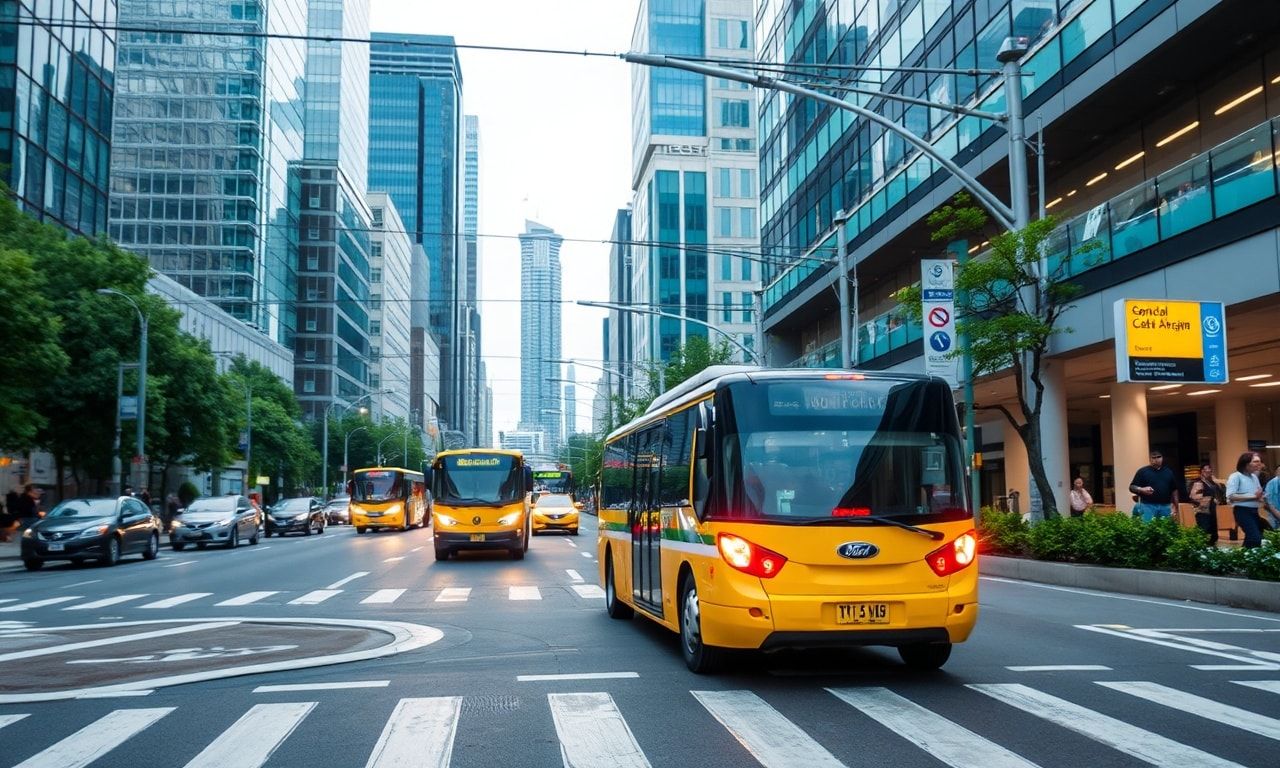
Public transport is another critical area where cities are making strides towards sustainability. Many cities are investing in modernizing their public transport systems, making them more efficient and environmentally friendly. For example, the Dundee public transport news update highlights the city’s efforts to introduce electric buses and improve its rail network, aiming to reduce reliance on private vehicles.
In addition to electric buses, cities are exploring other innovative public transport solutions. Copenhagen, Denmark, is famous for its extensive cycling infrastructure, which has made cycling the most popular mode of transport in the city. The city’s goal is to become carbon-neutral by 2025, and its cycling initiatives are a significant part of this plan.
Bike-Sharing and Micro-Mobility
Bike-sharing and micro-mobility solutions are gaining popularity as cities look for ways to reduce traffic congestion and emissions. These services provide a convenient and affordable alternative to private cars for short trips. Paris, France, has seen a significant increase in the use of electric scooters and bikes, with over 20,000 shared bikes available across the city.
Similarly, Berlin, Germany, has introduced a comprehensive bike-sharing scheme that integrates with its public transport system. This allows commuters to seamlessly switch between different modes of transport, reducing the need for private vehicles. These initiatives not only promote sustainable mobility but also enhance the overall urban experience.
Challenges and Future Prospects
Despite the progress, cities face several challenges in their journey towards sustainable urban mobility. One of the main challenges is the high cost of infrastructure development and maintenance. Many cities struggle to secure the necessary funding to implement large-scale projects. Additionally, there is a need for greater public awareness and behavior change to encourage the adoption of sustainable transport options.
Looking ahead, the future of sustainable urban mobility looks promising. Advances in technology, such as autonomous vehicles and smart city solutions, are expected to play a significant role in shaping the future of urban transport. Cities that invest in these technologies today will be better positioned to meet the challenges of tomorrow.
Conclusion
In conclusion, sustainable urban mobility is a critical component of creating livable, environmentally friendly cities. The examples highlighted in this article demonstrate that cities around the world are making significant progress in this area. However, there is still much work to be done, and collaboration between governments, businesses, and communities will be essential to achieve the goal of sustainable urban mobility.
As the conversation around workplace mental health continues to evolve, a new article explores mental health and career well-being and offers a comprehensive approach to this critical issue.
As the automotive industry evolves, understanding the shifts in education is crucial; explore innovations in automotive training to stay informed.
As social media continues to shape public discourse, understanding its role in digital marketing and brand building is crucial; explore the impact in our detailed analysis, social media’s influence on branding.