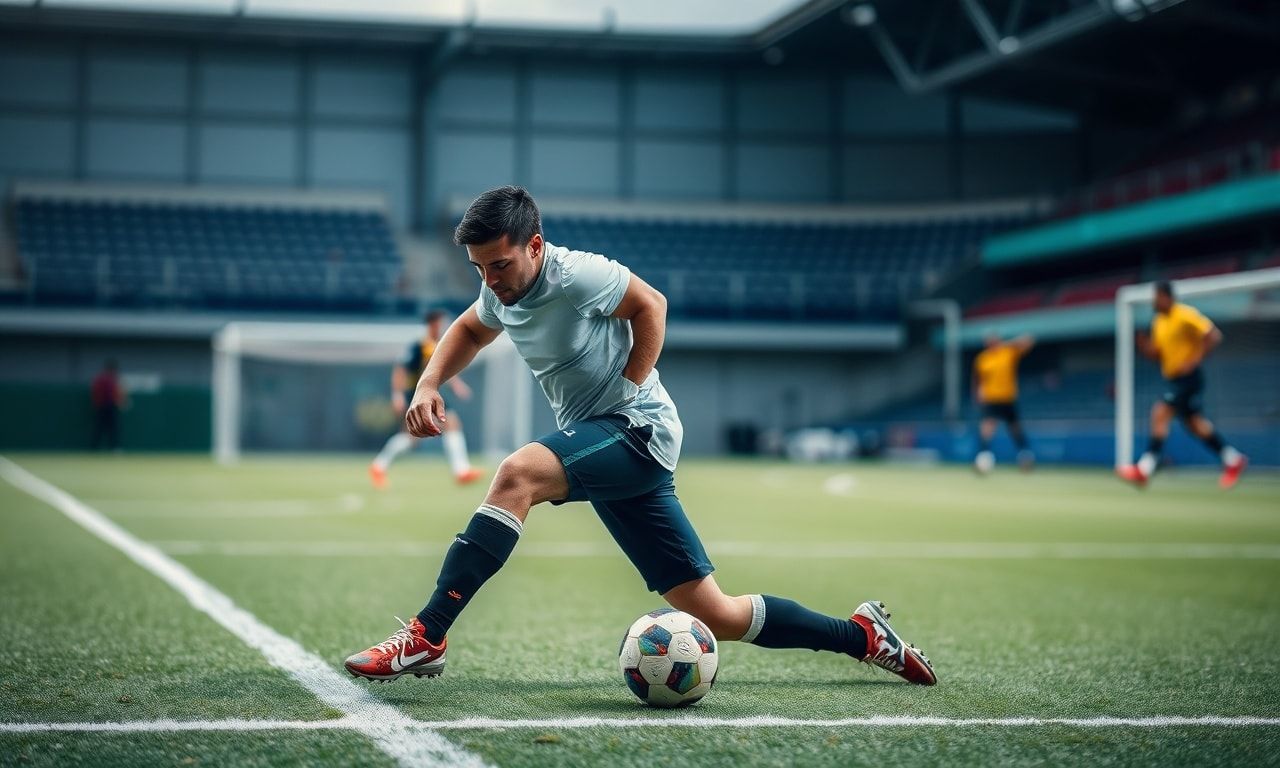
The Rising Trend of Sports Injuries in Europe
The European sports landscape is witnessing a significant rise in sports-related injuries, a trend that has sparked concern among athletes, coaches, and medical professionals alike. From amateur enthusiasts to professional athletes, the incidence of injuries has been on an upward trajectory, driven by various factors including increased participation in sports, intense training regimens, and a lack of adequate recovery periods.
Underlying Causes of the Surge
The surge in sports injuries can be attributed to several key factors. Firstly, the growing popularity of sports and fitness activities has led to more people engaging in physical activities without proper training or guidance. Secondly, the pressure to perform at higher levels, especially among professional athletes, often leads to overtraining and inadequate rest, increasing the risk of injuries. Additionally, the lack of awareness about proper warm-up and cool-down routines, as well as the use of substandard equipment, contributes to the rising numbers.
Another critical factor is the inadequate infrastructure and facilities in many regions. Many sports enthusiasts and athletes do not have access to proper training grounds, medical support, and rehabilitation centers. This lack of resources often results in injuries going unnoticed or untreated, leading to more severe and long-term health issues.
The Impact on Athletes and the Sports Industry
The rise in sports injuries has profound implications for both individual athletes and the broader sports industry. For athletes, injuries can mean prolonged periods away from their sport, affecting their performance and career prospects. The physical and psychological toll of injuries can be immense, often leading to depression, anxiety, and a loss of motivation. For the sports industry, the increase in injuries translates to higher medical costs, loss of revenue due to absent athletes, and potential damage to the reputation of sports organizations.
Moreover, the economic impact extends to the healthcare system, which bears the brunt of treating sports-related injuries. The financial burden on public health systems is substantial, especially in countries where healthcare resources are already stretched thin. This underscores the need for a comprehensive approach to injury prevention and management.
Preventive Measures and Solutions
Addressing the rising trend of sports injuries requires a multi-faceted approach that involves athletes, coaches, sports organizations, and healthcare providers. One of the most effective preventive measures is promoting education and awareness about injury prevention. Athletes should be educated on the importance of proper warm-up and cool-down routines, the use of appropriate equipment, and the significance of adequate rest and recovery.
Sports organizations play a crucial role in creating a safe and supportive environment for athletes. This includes investing in quality training facilities, providing access to sports medicine experts, and implementing strict guidelines for training and competition. Regular health check-ups and screenings can help identify potential risk factors early, allowing for timely intervention and prevention of injuries.
For those who have already suffered sports injuries, accessing the best medical care is essential for a speedy and complete recovery. A review of best clinics for sports injuries can guide athletes and enthusiasts to facilities that offer specialized treatment and rehabilitation services. These clinics often have state-of-the-art equipment and experienced professionals who can provide personalized care and support throughout the recovery process.
The Role of Technology and Innovation
Advancements in technology and innovation are also playing a significant role in reducing sports injuries. Wearable technology, for example, can monitor an athlete’s performance and detect early signs of fatigue or potential injury. This real-time data can be used to adjust training regimens and prevent overtraining. Additionally, virtual reality (VR) and augmented reality (AR) technologies are being used to simulate training scenarios, allowing athletes to practice and improve their skills in a controlled and safe environment.
Biomechanical analysis and motion capture technologies are other innovative tools that can help identify movement patterns that may lead to injuries. By analyzing an athlete’s technique and form, coaches and medical professionals can make targeted adjustments to reduce the risk of injury. These technologies are becoming increasingly accessible and are being integrated into training programs at various levels.
Conclusion
The rising trend of sports injuries in Europe is a complex issue that requires a coordinated effort from all stakeholders. By promoting education and awareness, investing in quality infrastructure and medical care, and leveraging technology and innovation, the sports community can work towards creating a safer and healthier environment for athletes. Ensuring that athletes have access to the best possible care and support is crucial for their well-being and the sustainability of the sports industry. Together, these measures can help mitigate the impact of sports injuries and pave the way for a brighter and healthier future in sports.
In the rapidly evolving world of gaming, a new trend is emerging that combines entertainment with wellness; discover more about this fascinating development in gaming’s health benefits breakthrough.
As our population ages, understanding the critical aspects of bone health becomes increasingly important; delve into the significance of bone health in our latest feature.
In light of recent developments, exploring health’s role in crime prevention offers a fresh perspective on public safety strategies.