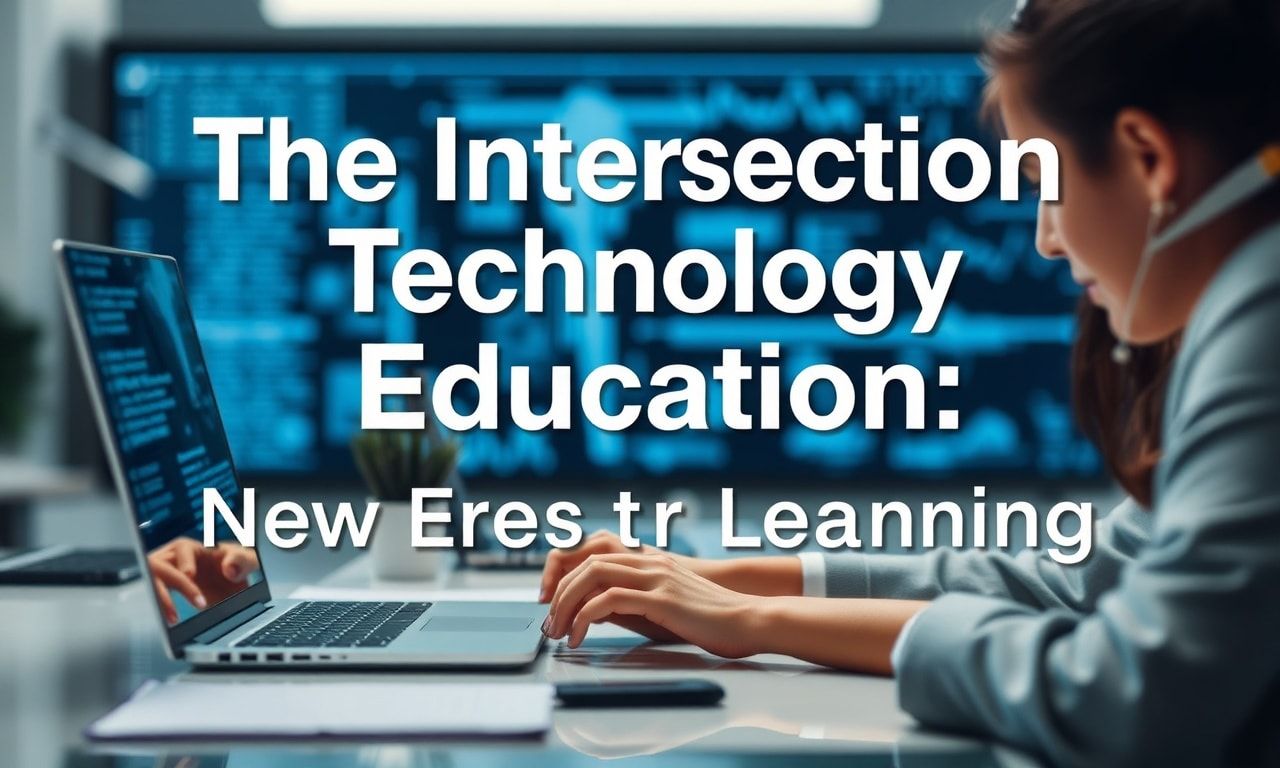
The Digital Transformation of Classrooms
The educational landscape is undergoing a significant transformation, driven by rapid advancements in technology. Traditional classrooms are evolving into dynamic, digital learning environments that cater to diverse learning styles and needs. This shift is not only enhancing the educational experience but also making it more accessible to students worldwide.
One of the most notable changes is the integration of digital tools and resources into daily lessons. From interactive whiteboards to educational apps, technology is being used to create engaging and interactive learning experiences. These tools not only make learning more enjoyable but also help teachers tailor their instruction to meet the individual needs of their students.
Moreover, the rise of online learning platforms has democratized education, allowing students from remote areas or those with busy schedules to access high-quality education. This has been particularly evident during the COVID-19 pandemic, where schools worldwide had to adapt to remote learning models. The pandemic accelerated the adoption of digital tools, proving that technology can bridge educational gaps and provide opportunities for all.
The Role of Educational Technology in Modern Learning
Educational technology, or EdTech, has become a cornerstone of modern education. It encompasses a wide range of tools and platforms designed to enhance teaching and learning. These technologies include:
- Learning Management Systems (LMS): Platforms like Moodle and Google Classroom help teachers manage course content, assignments, and student progress.
- Interactive Learning Tools: Tools like Kahoot! and Quizziz make learning interactive and fun, encouraging student participation.
- Virtual Reality (VR) and Augmented Reality (AR): These technologies provide immersive learning experiences, allowing students to explore historical events, conduct virtual science experiments, and more.
- AI-Powered Learning: Artificial Intelligence is being used to personalize learning experiences, adapt to student needs, and provide real-time feedback.
These technologies are not only enhancing the learning experience but also preparing students for a future where digital literacy is essential. By integrating these tools into the curriculum, educators are equipping students with the skills they need to thrive in a technology-driven world.
The Impact of Technology on Teaching Methods
The integration of technology into education has also transformed teaching methods. Teachers are no longer limited to traditional lecture-based instruction; they now have a variety of tools and strategies at their disposal. For example, flipped classrooms, where students learn content online at home and discuss it in class, are becoming increasingly popular. This approach allows for more interactive and collaborative learning experiences.
Additionally, technology has enabled teachers to provide personalized instruction. With the help of data analytics and AI, educators can identify areas where students struggle and tailor their teaching methods accordingly. This personalized approach ensures that every student receives the support they need to succeed.
Furthermore, technology has made it easier for teachers to collaborate and share resources. Online communities and platforms allow educators to exchange ideas, lesson plans, and best practices, fostering a culture of continuous learning and improvement. This collaboration not only benefits teachers but also enhances the overall quality of education.
The Importance of Digital Literacy
As technology continues to play a crucial role in education, digital literacy has become an essential skill. Digital literacy refers to the ability to use digital tools and technologies effectively and responsibly. It encompasses a range of skills, including:
- Navigating the internet and using search engines effectively.
- Evaluating the credibility of online sources.
- Using digital tools for communication and collaboration.
- Understanding the implications of digital privacy and security.
Teaching digital literacy is not just about equipping students with technical skills; it’s also about helping them become responsible digital citizens. This includes understanding the ethical implications of technology use, such as cyberbullying, online privacy, and digital footprints. By integrating digital literacy into the curriculum, schools are preparing students to navigate the digital world safely and responsibly.
For those looking to enhance their digital literacy skills, resources like kalem kirtasiye en iyi fırsatlar offer a variety of tools and materials that can help. These resources provide practical tips and strategies for using technology effectively, making them a valuable asset for both students and educators.
The Future of Education
The future of education is bright, with technology continuing to play a pivotal role. Emerging technologies like AI, VR, and AR are set to revolutionize the way we learn and teach. These technologies have the potential to create even more immersive and personalized learning experiences, making education more engaging and effective.
Moreover, the ongoing development of online learning platforms and digital tools will continue to democratize education, making it accessible to students worldwide. This will not only bridge educational gaps but also foster a more inclusive and equitable learning environment.
As we look to the future, it’s clear that technology will continue to shape the educational landscape. By embracing these advancements and integrating them into our teaching and learning practices, we can create a more dynamic and effective educational system that prepares students for the challenges and opportunities of the 21st century.
In the midst of today’s fast-paced news cycle, discovering personal reflection can be a valuable tool, as explored in journaling for self-discovery and well-being.