The Genesis of Qatar’s Vision 2030
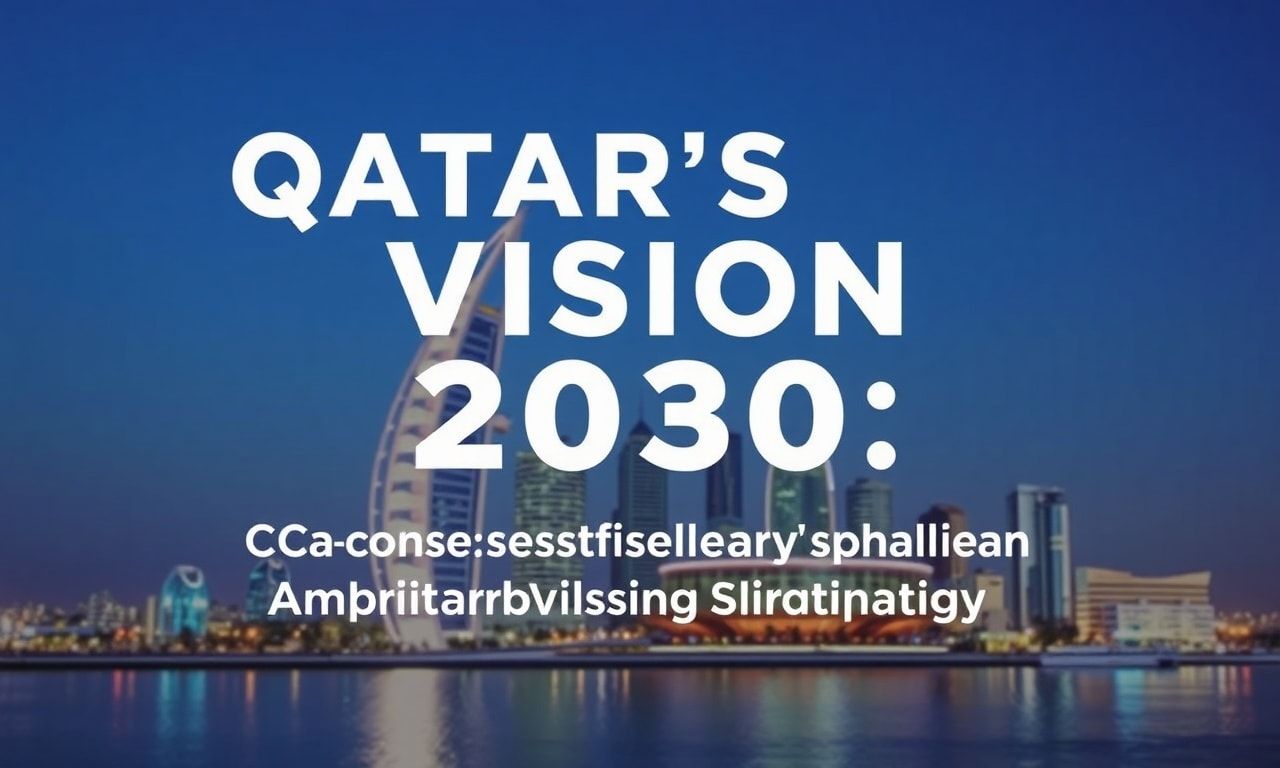
Qatar’s Vision 2030 is a long-term plan designed to transform the nation into a knowledge-based economy by 2030. Launched in 2008 by His Highness Sheikh Tamim bin Hamad Al Thani, the Emir of Qatar, this visionary roadmap aims to diversify the country’s economy, reduce dependence on oil and gas, and foster sustainable development. The plan is built on four pillars: economic development, social development, environmental development, and human development.
Economic Diversification: The Backbone of Vision 2030
The economic pillar of Vision 2030 focuses on diversifying Qatar’s economy. Historically, Qatar’s economy has been heavily reliant on oil and gas exports. However, recognizing the volatility of global energy markets, the nation has set its sights on developing other sectors such as finance, tourism, education, and healthcare. The establishment of the Qatar Financial Centre (QFC) and the Qatar Science and Technology Park (QSTP) are testament to this commitment. These initiatives aim to attract foreign investment and foster innovation, positioning Qatar as a regional hub for business and technology.
In line with this vision, Qatar has also invested heavily in infrastructure projects. The Hamad International Airport, the Doha Metro, and the Lusail City development are just a few examples of the nation’s efforts to create a modern and sustainable urban environment. These projects not only enhance the quality of life for residents but also attract tourists and businesses, further diversifying the economy.
Social and Human Development: Empowering the Nation
The social and human development pillars of Vision 2030 focus on empowering the Qatari population through education, healthcare, and social services. The plan aims to create a highly skilled workforce capable of driving the nation’s economic diversification efforts. To this end, Qatar has invested heavily in education, establishing world-class institutions such as Qatar University and the Weill Cornell Medical College. These institutions provide high-quality education and training, equipping Qataris with the skills needed to compete in the global economy.
Healthcare is another key area of focus. The Hamad Medical Corporation (HMC) and the Primary Health Care Corporation (PHCC) have been established to provide state-of-the-art healthcare services to the population. These institutions not only improve the health and well-being of Qataris but also attract medical tourists, further diversifying the economy.
Environmental Development: Sustainable Growth
The environmental pillar of Vision 2030 emphasizes sustainable development. Qatar recognizes the importance of preserving its natural resources and protecting the environment for future generations. To this end, the nation has implemented a number of initiatives aimed at reducing its carbon footprint and promoting sustainable practices. These include the establishment of the Qatar Green Building Council (QGBC), the Qatar Sustainability Network (QSN), and the Qatar Environment and Energy Research Institute (QEERI).
Qatar has also made significant strides in renewable energy. The nation has set a target of generating 20% of its energy from renewable sources by 2030. To achieve this goal, Qatar has invested in solar and wind energy projects, such as the Al Kharsaa solar farm and the Mesaeed wind farm. These projects not only reduce the nation’s reliance on fossil fuels but also create job opportunities in the renewable energy sector.
Challenges and Opportunities
While Vision 2030 presents a clear roadmap for Qatar’s development, the nation faces a number of challenges. These include economic volatility, regional instability, and the need to balance rapid development with environmental sustainability. However, Qatar also has a number of opportunities at its disposal. These include its strategic location, its vast natural resources, and its commitment to innovation and education.
To overcome these challenges and capitalize on these opportunities, Qatar must continue to invest in its people, its infrastructure, and its institutions. It must also foster a culture of innovation and entrepreneurship, encouraging its citizens to think creatively and take risks. By doing so, Qatar can position itself as a leader in the region and the world, setting an example for other nations to follow.
For more insights into Qatar’s development plans and other relevant topics, check out مقالات موصى بها قائمة قراءة, a valuable resource for those interested in the nation’s progress and future prospects.
Conclusion
Qatar’s Vision 2030 is a bold and ambitious plan that aims to transform the nation into a knowledge-based economy. By diversifying its economy, investing in its people, and promoting sustainable practices, Qatar is positioning itself for long-term success. While challenges remain, the nation’s commitment to innovation, education, and sustainability sets it on a path to achieve its vision. As Qatar continues to implement its development plan, it will undoubtedly serve as a model for other nations seeking to achieve similar goals.
As part of our ongoing commitment to practical journalism, we suggest exploring daily life improvement tips to enhance your routine amidst current events.
As communities worldwide respond to recent events, understanding their global influence has never been more important; delve into community engagement’s worldwide effects for a comprehensive analysis.