The Revival of an Ancient Craft
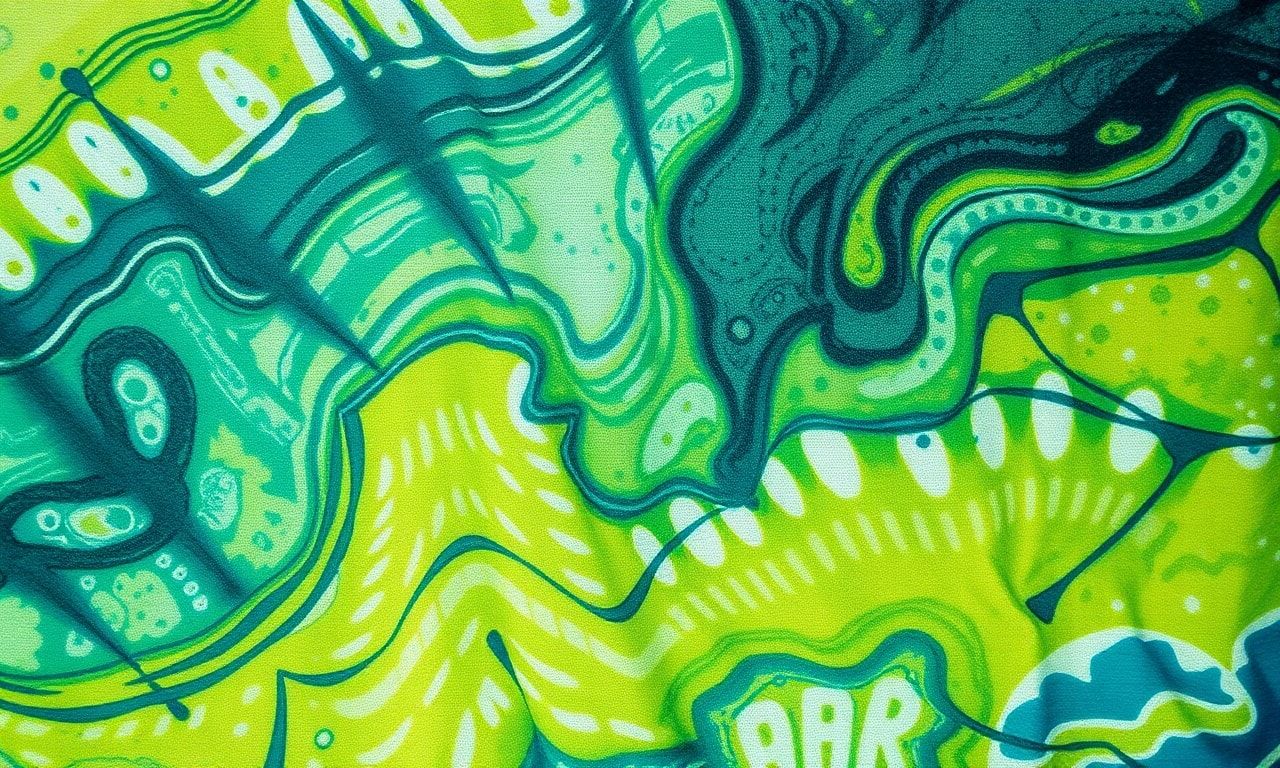
The world of fashion is constantly evolving, with trends coming and going at a rapid pace. However, one trend that has been gaining momentum in recent years is the resurgence of traditional textile dyeing techniques. This ancient craft, which was once on the brink of extinction, is now experiencing a renaissance, thanks to a growing interest in sustainability, authenticity, and cultural heritage.
Modern consumers are increasingly seeking out unique, handcrafted items that tell a story and have a lower environmental impact. This shift in consumer behavior has opened up new opportunities for artisans and small businesses specializing in traditional textile dyeing. These artisans are not only preserving their cultural heritage but also contributing to a more sustainable fashion industry.
The Environmental Impact of Traditional Textile Dyeing
One of the main reasons for the resurgence of traditional textile dyeing is its environmental benefits. Unlike conventional textile dyeing methods, which often involve the use of harmful chemicals and synthetic dyes, traditional techniques rely on natural dyes derived from plants, minerals, and other organic materials. These natural dyes are not only safer for the environment but also biodegradable, making them a more sustainable choice.
Moreover, traditional textile dyeing techniques often involve less water and energy consumption compared to their modern counterparts. For instance, the indigo dyeing process, which is widely used in denim production, requires large amounts of water and chemicals. In contrast, traditional indigo dyeing methods use significantly less water and rely on natural fermentation processes to create the dye.
The Role of Technology in Preserving Traditional Techniques
While traditional textile dyeing techniques are rooted in ancient practices, technology has played a crucial role in their preservation and revival. The internet, for example, has made it easier for artisans to connect with each other, share knowledge, and access resources. Online platforms have also made it possible for consumers to discover and purchase handcrafted textiles from all over the world.
Furthermore, advancements in digital printing technology have enabled artisans to combine traditional dyeing techniques with modern design elements. This fusion of old and new has resulted in unique, innovative textiles that appeal to contemporary consumers. For those looking to explore the world of traditional dyeing, resources like kumaş boyama işleri için en iyi malzemeler offer a wealth of information on the best materials and techniques to use.
The Cultural Significance of Traditional Textile Dyeing
Traditional textile dyeing is not just a craft; it is a cultural practice that has been passed down from generation to generation. Each region has its unique dyeing techniques, patterns, and symbols, which reflect its history, beliefs, and values. By preserving these techniques, artisans are not only keeping their cultural heritage alive but also promoting cultural diversity and understanding.
For example, in Japan, the art of indigo dyeing, known as ‘ai-zome,’ is deeply rooted in the country’s history and culture. The indigo plant, which is native to Japan, has been used for centuries to create a wide range of blue hues, from pale sky blue to deep navy. The dyeing process involves multiple steps, including fermentation, oxidation, and reduction, each of which requires a high level of skill and precision.
Challenges and Opportunities in the Modern Market
Despite the growing interest in traditional textile dyeing, artisans and small businesses face numerous challenges in the modern market. One of the main challenges is the competition from fast fashion brands, which offer cheap, mass-produced textiles at a fraction of the cost. To compete, artisans need to differentiate their products by highlighting their unique qualities, such as their sustainability, authenticity, and cultural significance.
Another challenge is the lack of access to resources and training. Many traditional dyeing techniques are in danger of being lost due to the lack of skilled artisans who can pass them on to the next generation. To address this issue, organizations and initiatives are working to provide training, resources, and support to artisans and small businesses.
The Future of Traditional Textile Dyeing
The future of traditional textile dyeing looks promising, with a growing number of consumers, designers, and brands embracing sustainability and authenticity. As the fashion industry continues to evolve, there is a growing demand for unique, handcrafted textiles that tell a story and have a lower environmental impact.
Moreover, the rise of e-commerce and social media has made it easier for artisans to reach a global audience and sell their products directly to consumers. This direct-to-consumer model not only benefits artisans but also promotes transparency and sustainability in the fashion industry.
In conclusion, the resurgence of traditional textile dyeing is a testament to the enduring appeal of craftsmanship, sustainability, and cultural heritage. As consumers become more conscious of their purchasing decisions, there is a growing demand for unique, handcrafted textiles that tell a story and have a lower environmental impact. By supporting artisans and small businesses, we can help preserve traditional dyeing techniques and promote a more sustainable fashion industry.
Delve into the evolving landscape of Shanghai’s manufacturing sector with our latest feature, Shanghai’s textile transformation, highlighting the city’s unique fusion of heritage and cutting-edge advancements.
Delving into the world of religious art, a new article explores faith expressed through textiles and the enduring symbolism within sacred fabrics.
Delving into the world of textile arts, our latest feature, modern dyeing techniques meet tradition, explores how age-old practices are evolving in today’s industry.