The Evolution of Workplace Attire
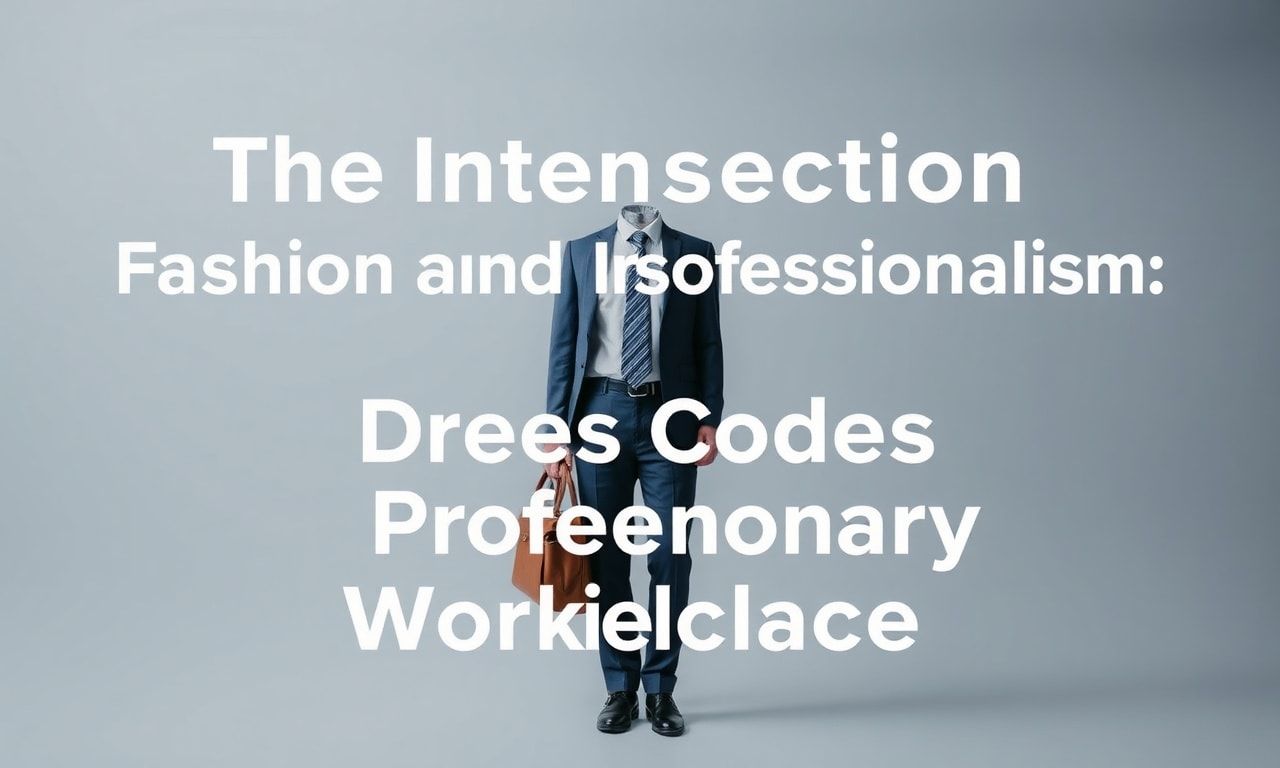
The modern workplace is undergoing a significant transformation, and one of the most noticeable changes is in dress codes. Gone are the days when formal attire was the norm for most professions. Today, many workplaces have adopted more relaxed dress codes, reflecting a shift towards a more casual and comfortable work environment. This evolution has been influenced by various factors, including the rise of remote work, the tech industry’s influence, and a broader cultural shift towards prioritizing comfort and individuality.
However, this shift has also brought about new challenges. Employers and employees alike are navigating the fine line between professionalism and personal expression. The question of what constitutes appropriate workplace attire has become more complex, with different industries and companies having varying expectations. Understanding these nuances is crucial for anyone looking to make a positive impression in their professional life.
The Importance of Dressing Appropriately
Dressing appropriately for work is not just about following rules; it’s about making a statement. Your attire can influence how others perceive you, affect your confidence, and even impact your productivity. Studies have shown that what you wear can influence your cognitive processes and the way you carry yourself. For instance, wearing formal attire can enhance abstract thinking and confidence, while casual clothing might promote creativity and comfort.
Moreover, dressing appropriately shows respect for your workplace and colleagues. It demonstrates that you take your job seriously and are committed to maintaining a professional environment. This is particularly important in client-facing roles, where your appearance can directly impact the company’s image and your professional relationships.
Navigating Business Casual Dress Codes
One of the most common dress codes in modern workplaces is business casual. This dress code is designed to be a middle ground between formal business attire and casual wear. However, the interpretation of business casual can vary widely, leading to confusion and uncertainty. To navigate this dress code successfully, it’s essential to understand the expectations of your specific workplace.
Business casual typically includes items like dress pants, skirts, collared shirts, and blazers. It’s important to avoid overly casual items like jeans, t-shirts, and flip-flops unless explicitly allowed. Accessories can also play a significant role in elevating your business casual look. For example, incorporating best jewelry for business casual attire can add a touch of sophistication and professionalism to your outfit.
Industry-Specific Dress Codes
Different industries have varying dress code expectations. Understanding these nuances can help you dress appropriately for your specific field. For instance, in the finance and legal sectors, formal attire is still the norm. In contrast, the tech industry is known for its more relaxed dress code, with many employees opting for casual wear. Creative industries, such as advertising and design, often encourage self-expression through clothing, allowing for more flexibility in attire.
It’s crucial to research the dress code expectations of your industry and adapt your wardrobe accordingly. When in doubt, it’s always better to err on the side of caution and dress slightly more formally. Observing what your colleagues and superiors wear can also provide valuable insights into what is considered appropriate in your workplace.
The Impact of Remote Work on Dress Codes
The rise of remote work has further complicated the issue of workplace attire. With many employees working from home, the need for formal attire has diminished. However, this doesn’t mean that dressing appropriately is no longer important. Even in a virtual setting, your appearance can influence how others perceive you during video conferences and meetings.
Dressing professionally for virtual meetings can help you maintain a professional image and stay focused on your work. It can also boost your confidence and productivity. While you might be tempted to wear your pajamas during a work-from-home day, putting on a presentable outfit can make a significant difference in your mindset and performance.
Tips for Dressing Professionally at Home
Here are some tips for maintaining a professional appearance while working remotely:
- Dress for the Day: Even if you’re not leaving the house, getting dressed in professional attire can help you get into a work mindset.
- Choose Comfortable Yet Professional Clothing: Opt for comfortable fabrics and styles that still look professional. This can include items like dress pants, blouses, and sweaters.
- Pay Attention to Grooming: Personal grooming is just as important as your clothing. Make sure your hair is neat, and you’re well-groomed to present a polished image.
- Invest in a Neutral Background: If you’re participating in video conferences, ensure your background is clean and professional. This can help create a positive impression.
Conclusion
The evolution of workplace attire reflects broader societal changes and the increasing emphasis on comfort, individuality, and work-life balance. While the shift towards more relaxed dress codes offers more flexibility, it also presents new challenges in maintaining professionalism and making a positive impression. Understanding the nuances of different dress codes, adapting to industry-specific expectations, and navigating the complexities of remote work attire are all crucial skills in the modern workplace.
Ultimately, the key to dressing appropriately for work is to strike a balance between professionalism and personal expression. By doing so, you can present a polished and confident image while also feeling comfortable and authentic. Whether you’re in a formal office setting or working remotely, your attire plays a significant role in shaping your professional identity and success.
Recent findings reveal concerning trends in home security; discover how Germans store valuable jewelry in a new study.
As we navigate the ever-evolving world of fashion, discover the latest trends set to define the industry in 2026.
As environmental consciousness grows, residents in Crawley are making significant changes to their shopping habits, as detailed in Crawley’s sustainable fashion shift.