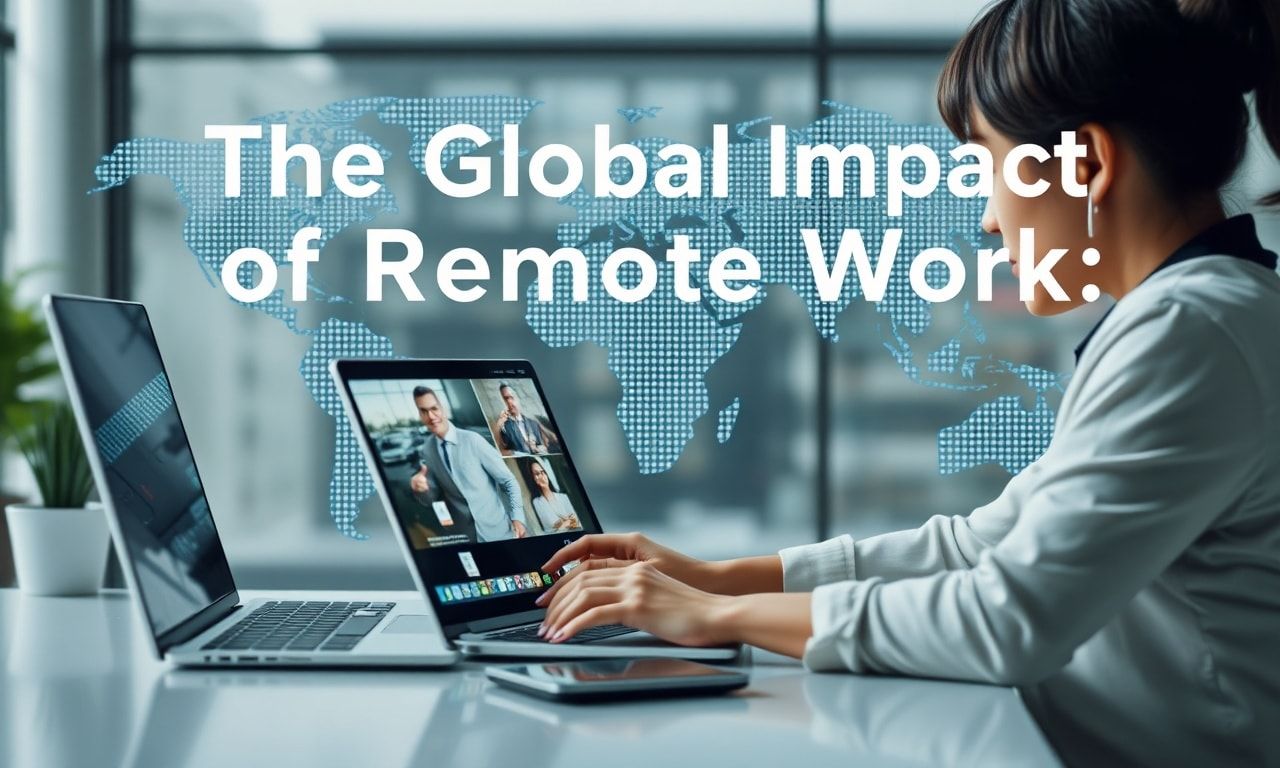
The Rise of Remote Work
The global workforce has undergone a significant transformation in recent years, largely driven by technological advancements and the COVID-19 pandemic. Remote work, once a niche concept, has become a mainstream practice, reshaping the way businesses operate and employees engage with their jobs. This shift has had profound implications on various aspects of society, from urban planning to mental health.
Economic Implications
The economic impact of remote work is multifaceted. On one hand, businesses have realized substantial cost savings by reducing office space and associated overheads. On the other hand, employees have benefited from reduced commuting expenses and increased flexibility. However, this shift has also led to economic disparities, with certain industries and regions feeling the strain more than others. For instance, urban areas that relied heavily on office workers for local businesses have seen a decline in foot traffic and revenue.
Productivity and Efficiency
Studies have shown mixed results regarding the impact of remote work on productivity. While some employees report increased efficiency due to fewer distractions and a more comfortable work environment, others struggle with the lack of face-to-face interaction and the blurred boundaries between work and personal life. Companies have had to adapt by implementing new tools and strategies to maintain productivity and team cohesion. For example, many organizations have turned to project management software and virtual collaboration platforms to keep teams aligned and motivated.
Social and Cultural Shifts
Remote work has also brought about significant social and cultural changes. The traditional 9-to-5 workday is being redefined as employees seek more flexible schedules that better align with their personal lives. This has led to a greater emphasis on work-life balance and the importance of mental health. Additionally, the rise of remote work has facilitated a more globalized workforce, with companies hiring talent from different parts of the world. This diversity can bring fresh perspectives and innovative ideas but also presents challenges in terms of communication and cultural integration.
Lifestyle Adjustments
For many, remote work has become a catalyst for lifestyle changes. Employees are now more focused on creating home offices that promote productivity and well-being. This includes investing in ergonomic furniture, high-speed internet, and even portable coffee makers to enhance their work-from-home experience. Websites like lifestyle tips daily improvement offer valuable insights on how to optimize one’s home office for better efficiency and comfort. Furthermore, the flexibility of remote work has allowed individuals to relocate to areas with lower costs of living, leading to a redistribution of populations and a reimagining of community dynamics.
Challenges and Considerations
Despite the numerous benefits, remote work is not without its challenges. Issues such as isolation, burnout, and the difficulty of maintaining a healthy work-life balance are common concerns. Employers must be proactive in addressing these issues by offering support programs, fostering a strong company culture, and encouraging regular check-ins with employees. Additionally, the digital divide remains a significant barrier, as not all employees have access to the necessary technology and resources to work remotely effectively.
Future Outlook
The future of remote work is likely to be a hybrid model, where employees split their time between the office and home. This approach aims to balance the benefits of in-person collaboration with the flexibility and convenience of remote work. As technology continues to evolve, we can expect even more innovative solutions to emerge, further enhancing the remote work experience. Companies that adapt to these changes and prioritize the well-being of their employees will be better positioned to thrive in this new era of work.
Conclusion
The global impact of remote work is far-reaching and multifaceted. While it presents numerous opportunities for businesses and employees alike, it also comes with its own set of challenges. As we navigate this new landscape, it is crucial to adopt a balanced approach that leverages the benefits of remote work while addressing its potential drawbacks. By doing so, we can create a more flexible, inclusive, and productive workforce that is better equipped to meet the demands of the future.