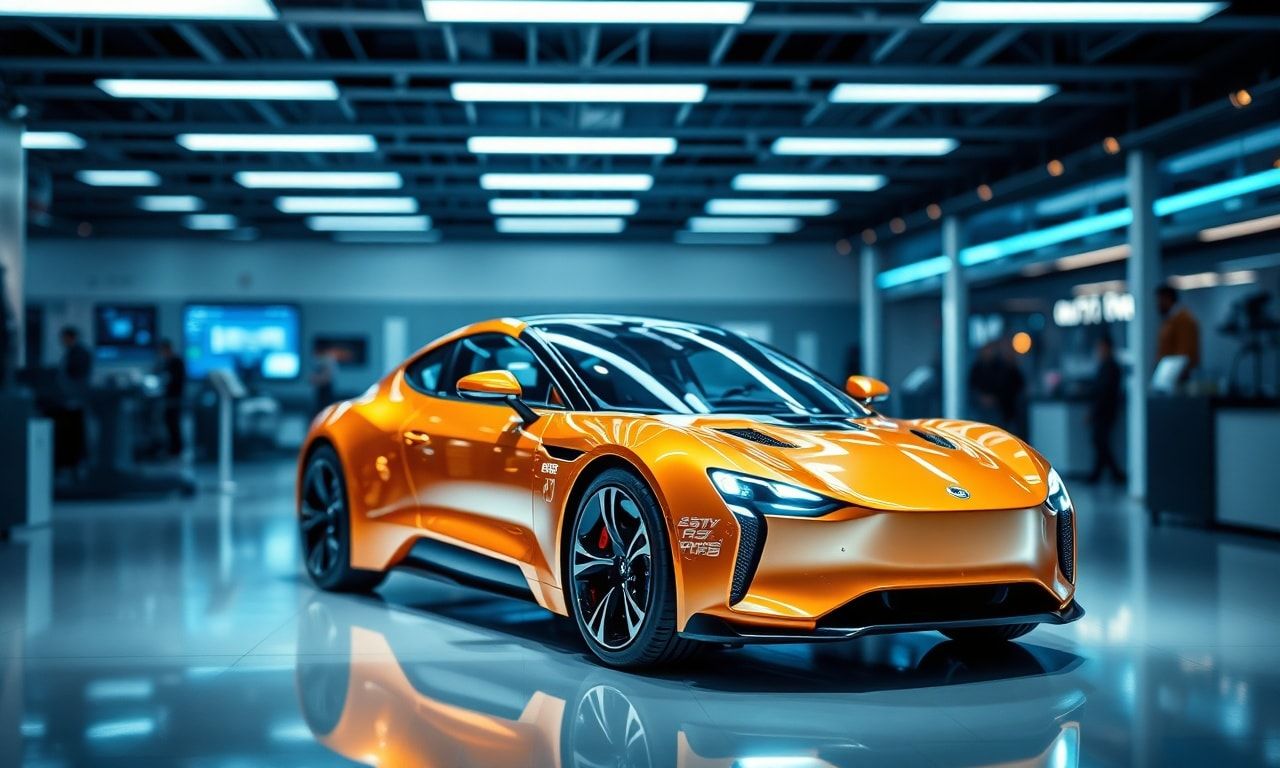
The Evolution of Automotive Technology
The automotive industry is on the cusp of a technological revolution. As we look ahead to 2026, the landscape of automotive technology is set to transform dramatically, driven by advancements in artificial intelligence, connectivity, and sustainable energy. This evolution promises to redefine the way we interact with our vehicles, making them safer, more efficient, and more integrated into our daily lives.
The Rise of Autonomous Vehicles
One of the most anticipated developments in the automotive sector is the widespread adoption of autonomous vehicles. By 2026, it is expected that self-driving cars will become a common sight on our roads. These vehicles, equipped with advanced sensors and AI algorithms, will offer unprecedented levels of safety and convenience. The integration of autonomous technology is poised to reduce traffic accidents significantly, as human error, a leading cause of road incidents, will be minimized.
Moreover, the rise of autonomous vehicles will have a profound impact on urban planning and infrastructure. Cities will need to adapt to accommodate these new modes of transportation, potentially leading to the development of dedicated lanes and parking solutions. The economic implications are also substantial, with the potential to create new industries and job opportunities in areas such as vehicle maintenance, software development, and data analysis.
The Role of Connectivity
Connectivity is another key area of innovation in the automotive industry. The concept of the ‘connected car’ is becoming increasingly prevalent, with vehicles now capable of communicating with each other and with infrastructure. This connectivity enhances safety by providing real-time traffic updates and collision warnings. It also enables a range of infotainment options, allowing drivers to stay connected while on the go.
By 2026, the integration of 5G technology is expected to further revolutionize the connected car experience. With faster and more reliable internet speeds, vehicles will be able to process and transmit data more efficiently. This will pave the way for advanced features such as remote diagnostics, over-the-air software updates, and enhanced navigation systems. The Honda Civic tech guide and features for 2026 highlights how manufacturers are already exploring these advancements to provide a seamless and intuitive driving experience.
Sustainable Mobility and Electric Vehicles
The push towards sustainable mobility is another major trend shaping the future of the automotive industry. Electric vehicles (EVs) are gaining traction as consumers become more environmentally conscious. By 2026, it is projected that a significant portion of new vehicle sales will be electric, driven by advancements in battery technology and the expansion of charging infrastructure.
The development of solid-state batteries, for instance, promises to extend the range of electric vehicles and reduce charging times. Additionally, the use of renewable energy sources to power these vehicles will further decrease their carbon footprint. Governments around the world are also implementing policies to support the transition to electric vehicles, such as tax incentives and subsidies, which will accelerate their adoption.
The Impact on Urban Mobility
The shift towards electric vehicles will have a profound impact on urban mobility. Cities will need to adapt their infrastructure to accommodate the growing number of EVs, including the installation of charging stations and the development of smart grids. This transition will not only reduce air pollution but also contribute to a more sustainable and livable urban environment.
Furthermore, the rise of shared mobility services, such as car-sharing and ride-hailing, will complement the growth of electric vehicles. These services offer a convenient and cost-effective alternative to traditional car ownership, making it easier for consumers to adopt sustainable transportation options.
The Future of Vehicle Design
In addition to technological advancements, the design of vehicles is also evolving. By 2026, we can expect to see a greater emphasis on aerodynamics, lightweight materials, and modular designs. These innovations will not only enhance the performance and efficiency of vehicles but also improve their aesthetic appeal.
The use of lightweight materials, such as carbon fiber and aluminum, will make vehicles more fuel-efficient and reduce their environmental impact. Modular designs, on the other hand, will offer greater flexibility and customization, allowing consumers to tailor their vehicles to their specific needs and preferences.
The Role of Artificial Intelligence
Artificial intelligence (AI) is playing an increasingly important role in the design and functionality of modern vehicles. By 2026, AI is expected to be fully integrated into various aspects of vehicle operation, from advanced driver-assistance systems (ADAS) to predictive maintenance. These AI-driven features will enhance the overall driving experience, making it safer, more comfortable, and more enjoyable.
For example, AI algorithms can analyze driving patterns and provide personalized recommendations to improve fuel efficiency and reduce wear and tear on the vehicle. Additionally, AI-powered voice assistants will offer a more intuitive and interactive way to control various vehicle functions, such as climate control, navigation, and entertainment systems.
Conclusion
The future of automotive technology is bright and full of promise. By 2026, we can expect to see significant advancements in autonomous driving, connectivity, sustainable mobility, and vehicle design. These innovations will not only transform the way we interact with our vehicles but also contribute to a more sustainable and efficient transportation system. As the industry continues to evolve, it is essential for consumers, policymakers, and manufacturers to work together to harness the full potential of these technological advancements.
Innovation in urban development is taking center stage, as highlighted in Bristol’s tech-driven city planning, which offers a glimpse into the future of smart cities.
To understand the shifting landscape of transportation, consider exploring electric vehicles in Turkey, a topic gaining significant traction in global mobility discussions.
Discover the latest advancements in global tech and environmental innovations in our new feature, innovations shaping our future, which highlights the most significant developments expected by 2026.