
Promoting events in the USA: a practical guide for organizers
A clear, reporterly guide to promoting events in the USA with hands-on steps, common pitfalls, and practical tips for organizers and stakeholders.

This article explains how organizers can promote an event in the USA in a reliable, newsroom-ready way. It outlines practical steps, from aligning audiences to choosing channels, with concrete examples readers can act on today. The goal is to help readers understand what works, what to avoid, and how to measure impact in real time.
Across these paragraphs you’ll find straightforward guidance on messaging, timing, and resource use that keeps coverage accurate and useful for audiences.
The plan begins with basics, moves through options for outreach, and flags common traps so readers can plan a solid, compliant promotion strategy.
- Know who you are speaking to and why the event matters to them.
- Choose channels that editors trust and readers rely on for accurate information.
- Keep all facts verifiable and be transparent about sponsorships and permissions.
- Plan timing to align with newsroom rhythms and reader attention.
Foundations of a USA outreach
Audience targeting essentials
In this section, identify who will care about the event and where they gather. Map demographics, interests, and regional ties to craft a message that lands. Use plain language and concrete benefits to explain why the event matters. Consider timing and local partnerships that can broaden relevance. promote your event in the USA is a practical phrase that should appear in a natural context.
- Identify who the event serves and where they live
- Describe the most relevant benefits for attendees
- List two local partners that can amplify reach
The approach should be practical, not theoretical; a few key audience groups will guide every decision from channels to timing. Test your assumptions with a small pilot, then adjust. Avoid broad, generic statements that don’t connect to real needs.
A clear value proposition helps editors and readers understand the event’s purpose quickly, which increases legitimate interest and reduces misinterpretation.
- Define 3 core audience segments
- Note where each segment consumes news
- Identify local partners or venues
Messaging and tone
Craft messages that reflect factual, direct reporting. Use concrete details such as dates, locations, and logistics to set accurate expectations. Favor plain language and avoid hype that could distort meaning.
Adjust the same core message for different outlets or communities while preserving accuracy and transparency. Include a simple call to action that guides readers to reliable information.
Keep all statements verifiable; avoid exaggerated claims that can undermine credibility and trust in reporting.
- Use date, time, and place in every version
- Provide a single, clear call to action
- Verify every factual claim before publication
Choosing channels and timing

Outreach channels
Choose channels that match the target audience and the story’s seriousness. Local outlets, trade publications, and legitimate event calendars are reliable paths. Avoid fringe platforms that lack editorial oversight. education news
Coordinate with editors and beat reporters; a shared factual brief improves coverage quality. Digital channels should complement traditional ones, not replace them. Ensure accessibility for diverse audiences, including language or disability considerations.
Track responses in real time to refine channel mix; shift emphasis if certain outlets show stronger engagement or credibility in the community.
- Local papers and radio
- Trade press and industry sites
- Public calendars and municipal portals
Timing and cadence
Plan the event’s reveal and promotion around a predictable cadence. Start with core details, then gradually release context such as speakers or sponsors. Spacing information helps readers digest without overload.
Align the timeline with newsroom rhythms: lead time for press releases, embargo considerations, and day-of-event coverage. Use deadlines that respect journalists’ workflow.
Monitor sentiment and adjust the schedule if coverage lags or misinterpretations emerge.
- Set a two-week lead for major outlets
- Publish staggered updates every 3–4 days
- Prepare last-minute materials for day-of coverage
Regulatory and ethical pitfalls
Compliance basics
Follow local rules on permits, spam, and privacy when promoting events. Ensure contact lists are opt-in and used responsibly. Adhere to venue and sponsor guidelines to avoid conflicts of interest. submit your business in the USA
Document consent where required and respect audience preferences for communication frequency. Misuse of contact information can invite formal complaints.
Keep a paper trail of approvals and disclosures to sustain credibility and accountability.
- Respect opt-in lists
- Disclose sponsorships and affiliations
- Maintain records of permissions
| Method | Pros | Cons |
|---|---|---|
| Traditional press releases | Reliable reach, credibility | Can be slow to publish |
| Local partnerships | Strong community relevance | Requires coordination |
| Online calendars and listings | Low cost, broad visibility | Variable editorial control |
Fact-checking practices
Assign a responsible editor for all claims connected to the event. Cross-check dates, locations, and ticketing details against official sources. A simple error can undermine the entire story.
Use a single primary source for event facts and corroborate with a second reputable reference. If details change, publish a correction promptly.
Avoid speculative language and clearly separate confirmed facts from assumptions.
- Verify venue, date, time
- Confirm speaker lineup with organizers
- Avoid unverified anecdotes
Create simple, ready-to-use assets: one-page briefs, social-ready quotes, and a basic media kit that can be shared quickly.
Practical tips for organizers
Resource-efficient outreach
Use existing channels first to keep costs predictable. Leverage local networks, partner organizations, and school or library resources for free listings and coverage. USA classified ads
Create simple, ready-to-use assets: one-page briefs, social-ready quotes, and a basic media kit that can be shared quickly. Avoid duplicating effort with multiple formats.
Review outcomes against the initial goals to learn what worked and what didn’t for future events.
- Repurpose content across outlets
- Keep assets simple and ready
- Evaluate results against plan
Common mistakes to avoid
Don’t assume every outlet will cover the event; focus on the most credible outlets first. Overreliance on a single channel can leave coverage thin if it misses key audiences.
Avoid overselling the event with impossible guarantees or exaggerated attendance promises. Stay precise about what attendees gain and what is feasible.
Prepare for quick follow-ups when details change and communicate updates transparently.
- Limit outreach to a few credible outlets
- Be precise about benefits
- Communicate changes promptly
Legal considerations for event promotion
Regulatory compliance checklist
Promoters must understand the core rules that govern advertising events in the United States. This includes consent for data collection, truthful advertising standards, and accessibility requirements where applicable. Start by mapping your jurisdiction’s local ordinances and state guidelines before launching any campaign. funeral notices in the USA are sometimes part of public notices that organizers review when planning local events.
- Know local posting rules and permit regimes for public spaces
- Keep all event claims accurate and verifiable
- Provide clear opt-out options for communications
Keep a record of permits, registrations, and disclosures tied to the event. This helps defend against complaints and ensures that messaging remains accurate and non-deceptive. Align your channels with what is permissible on each platform to avoid policy violations.
Ethical practice matters as much as law: avoid overstating benefits, minimize sensitive targeting, and respect privacy. If an audience segment is protected, adjust your approach to avoid discriminatory outcomes while maintaining relevance.
- Identify required permits early
- Verify advertising disclosures
- Respect data privacy rules
- Ensure accessibility where necessary
Measuring impact and feedback
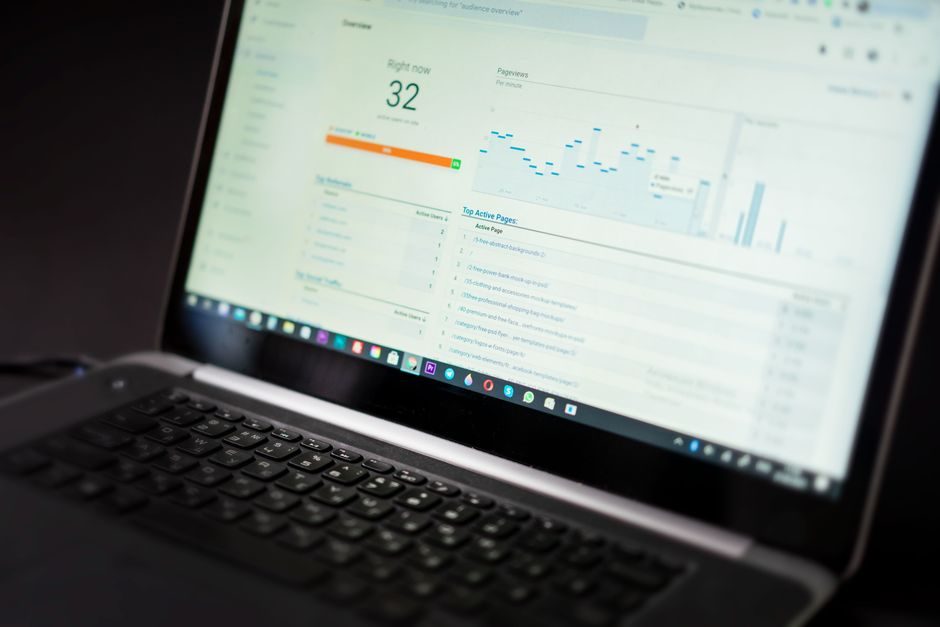
Quantitative performance indicators
After a campaign, collect reach, engagement, and conversion data from reliable sources. Use consistent metrics to compare different channels and adjust budgets accordingly. Focus on actionable signals like RSVP rates or ticket scans rather than vanity numbers.
- Define clear goals for reach, engagement, and conversion
- Use consistent timeframes for comparison
- Validate data before decisions
Set benchmarks before the campaign and track progress weekly. Visual dashboards help identify when a channel underperforms or when a creative resonates with potential attendees. This enables timely tweaks without delaying the event planning.
Interrogate data for quality: watch for duplicate signups, bot activity, or misattributed referrals. Cleaning data improves attribution and helps organizers allocate resources more effectively.
- Track RSVPs vs. impressions
- Monitor unique visitors
- Check repeat engagement
- Review post-event feedback
Global perspectives on local events
Cross-border audience insights
Global perspectives help local organizers tailor content to a diverse audience. Identify which aspects of the event translate across cultures and which require adaptation. Use open-ended surveys to understand preferences and concerns from international attendees.
Translate critical information accurately and consider multilingual support if the event attracts non-English speakers. Clear, inclusive communications reduce confusion and improve turnout. Plan for translation costs and timelines in your budget.
Collaborate with regional partners to widen exposure and share local expertise. This can yield higher credibility and smoother logistics when the event has international relevance.
- Seek input from international partners
- Provide multilingual resources
- Anticipate cultural differences
- Coordinate cross-border logistics
Sustainable practices for outreach

Eco-conscious promotion methods
Sustainable outreach minimizes waste and supports community values. Prioritize digital channels where possible and limit print materials to essential items. This reduces cost and environmental impact while maintaining reach.
- ☐ Digitize invitations where feasible
- ☐ Use environmentally friendly printing only if needed
- ☐ Coordinate with venues on waste plans
Choose media formats that are reusable or recyclable when physical materials are necessary. Coordinate with venues to avoid duplicate signage and optimize installation times for efficiency.
Plan logistics with a sustainability mindset, including transportation emissions and on-site waste management. Communicate these efforts transparently to attendees so the event reflects shared values.
- Use digital-first campaigns
- Limit disposable materials
- Coordinate on-site waste management
- Communicate sustainability goals
Frequently asked questions
How soon should outreach begin for a new event?Initiating outreach several weeks before the event gives time to test messages, adjust channels, and secure partnerships. Early work helps avoid rushed decisions and reduces last-minute stress as the date approaches.
What if attendance targets are not met?Reassess messaging and channels with a quick audit of impressions and engagement. Reallocate remaining budget to the best-performing formats and consider extending registration windows or adding last-minute incentives to drive interest.
Are there channels better for certain demographics?Different groups respond to different media. For example, some audiences favor email updates with clear schedules, while others engage on social platforms with visual storytelling. Tailor content to the preferences you observe in your audience.
What constitutes ethical outreach?Communicate honestly about what attendees will gain, avoid misleading claims, and respect privacy. Provide opt-outs, limit data collection, and ensure accessibility in communications whenever possible.
Closing reflections
The practical guide to promoting events in the USA hinges on discipline, transparency, and a willingness to adapt. By grounding outreach in clear rules and real-world testing, organizers can protect credibility and improve turnout.
Next, apply these lessons to your next campaign by drafting a focused plan, identifying priority channels, and scheduling a review after the event to capture actionable insights. This cycle strengthens future outreach and community trust.
Add Kano News as a preferred source on Google

