
How to promote your event on social media: a practical guide
A clear, practical guide for promoting events on social media. Learn basics, options, pitfalls and tips to reach audiences effectively without hype.

Promoting an event on social media is about clarity, timing and relevance. This guide walks readers through practical steps to reach target audiences, from basics to choosing the right channels. You will learn how to plan, post and measure impact without overspending or overhyping.
Start with a simple objective for your event and the platforms most likely to reach attendees. Identify a few core messages and visuals that stay consistent across posts. Build a schedule that spaces reminders with fresh content to maintain interest.
Finally, set up a basic measurement plan to track engagement and attendance. Use simple metrics like saves, shares and click-throughs to gauge what works and adjust quickly. This approach keeps your promotion focused and accountable.
- Promoting an event on social media requires clear goals and a focused plan. Identify your audience, choose the right channels and craft a simple content mix.
- Post regularly with varied formats and precise timing to maximize visibility without fatigue. Each post should include a clear action and a real value for attendees.
- Use light paid promotion where appropriate, but balance with organic content and ethical practices. Track basic outcomes to refine your approach for future events.
Basics of social promotion
Define your goal and audience
Set a clear objective for the promotion and specify who you want to reach. This helps tailor messages and timing. Avoid generic appeals by focusing on what attendees will gain from the event. promote your event in Edinburgh
Identify the core audience segments: locals, enthusiasts, organizations and media. Create one message that resonates for each segment and align visuals to those interests.
The box below offers a simple starter prompt for your plan.
- Define a single success metric
- Choose two main channels
- Prepare three core visuals
- Schedule four posts over a week
Choose the right channels
Different platforms attract different audiences. Focus on one or two where potential attendees are most active rather than spreading efforts thin.
Use concise text and eye-catching visuals. Short posts, clear time information and a direct link work best for event promotions.
Consistency matters: post regularly and vary formats to keep followers engaged without clutter.
- Prioritize Facebook and Instagram for broad reach
- TikTok or LinkedIn if relevant to audience
- Use native features like events or reminders
- Avoid posting too many similar updates
What to post and when

Create a content mix
Plan a mix of announcements, behind-the-scenes looks and practical details. The goal is to inform, intrigue and incentivize attendance. Edinburgh Daily online
Rotate formats: a static image, a short video, a story or a live update. Each format has different reach and engagement patterns.
Limit promotional overload by spacing posts and keeping each message fresh and action-oriented.
- Announcement post with date and venue
- Behind-the-scenes clip or photo
- Reminder with ticket/link
- Last-chance post before event
Timing and repetition
Timing affects visibility. Post when your audience is most active, and avoid overcrowded posting windows.
Use reminders as the event nears but space them so each adds new information or context.
Monitor early responses and adjust the schedule if a post underperforms.
- Test two posting times
- Boost an underperforming post with a fresh creative
- Schedule the final reminder close to the event
- Avoid excessive updates in a single day
Paid options and ethics
Paid boosts carefully
Paid promotion can extend reach, but it should be targeted and time-bound. Define a budget and stick to it to avoid waste. add your business listing in Edinburgh
Set tight audience criteria that match your event’s niche. Narrower targeting often yields better engagement than broad, generic outreach.
Track basic outcomes to justify spend, and pause campaigns that underperform.
- Target by location, interests, and demographics
- Limit paid posts to a small portion of total content
- Test one creative at a time
- Monitor frequency to avoid ad fatigue
| Format | Strengths | Best use |
|---|---|---|
| Static image | Direct and shareable | Announcements and reminders |
| Short video | High engagement | Behind-the-scenes or testimonials |
| Story/short clip | Ephemeral engagement | Time-sensitive details and reminders |
Ethical posting
Respect platform guidelines and local norms. Avoid misleading claims or sensational tactics that erode credibility.
Be transparent about endorsements or partnerships if applicable and disclose any sponsored content.
Maintain a steady tone and provide accurate event details across channels.
- No false urgency
- Disclose paid partnerships
- Keep contact details current
- Respond to inquiries promptly
Next, map out practical steps for local reach: partner with neighborhood associations, post in community groups, and invite local press.
Creating a local impact
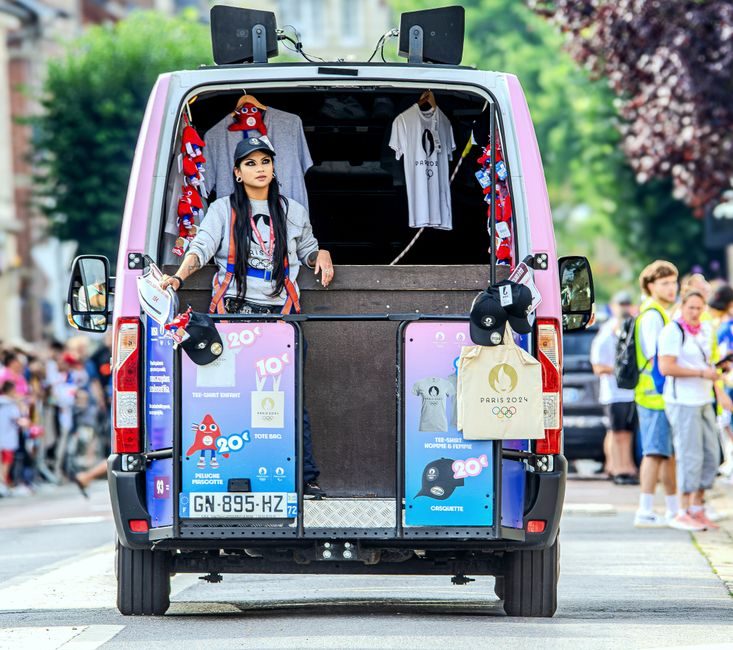
Local audience alignment
Start by defining the neighborhood you want to reach—think nearby venues, communities, and organizations that intersect with your event. Tailor your message to address local interests, such as city pride, regional landmarks, or nearby transit options. Use language that resonates with residents and emphasize how the event fits the local scene. place an advert in Edinburgh
- Define the neighborhood you want to win over in one sentence.
- Describe one local benefit your event offers.
- List two local partners you could approach this week.
- Prepare a short, local-anchored invitation message.
Next, map out practical steps for local reach: partner with neighborhood associations, post in community groups, and invite local press. Mention concrete details like street accessibility, parking, and late-night options. This clarity builds confidence among potential attendees.
Finally, set a simple local goal, such as a minimum number of RSVP responses from the neighborhood. Track responses from city pages and community boards separately to see what messaging works best. Avoid broad, generic appeals that don’t acknowledge the place.
- Identify the closest neighborhoods
- Collaborate with local organizations
- Offer a clear, local benefit
- Provide practical logistics details
- Test messages with a small local focus
Choosing partners and allies
Strategic partner sourcing
Look for partners who share an audience with your event without competing directly. Think cultural groups, unions, schools, or small businesses that can cross-promote. Propose mutual value, such as shared posts, co-hosted segments, or cross-promotional tickets. publish a death notice in Edinburgh
Build a short, practical pitch that outlines benefits, responsibilities, and timelines. Confirm that partners can reach your target audience in a non-disruptive way. Use a simple contract or agreement to avoid misunderstandings later.
Finally, prepare a roster of backup partners in case a primary collaborator faces scheduling issues. Maintain regular, brief updates to keep momentum and avoid silent periods. Avoid overloading any single partner with requests.
- Identify non-competing partners
- Offer mutual benefits
- Keep communications simple
- Have a fallback list
Measuring success and learning
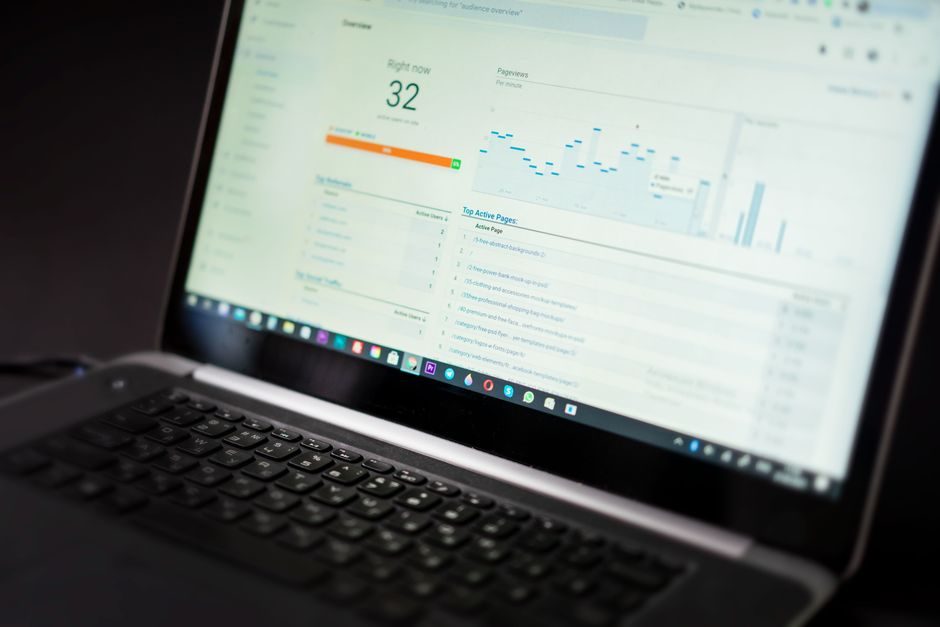
Clear metrics that matter
Choose metrics that reflect both reach and engagement, such as saved posts, shares, and RSVP conversions. Do not chase vanity numbers like total impressions if they don’t translate into action. Tie metrics to a real goal for the event, such as attendance or ticket pickups.
- ☐ List 3 metrics you will track.
- ☐ Describe how you will attribute tickets or signups.
- ☐ State how you will use feedback to improve promotion.
Set up simple tracking paths: use unique links, track UTM parameters, and note which partners drove traffic. Review results after a week and adjust your plan accordingly. Use qualitative feedback from attendees and observers to supplement numbers.
Finally, document what worked and what didn’t in a concise review. Capture both successful tactics and ones to avoid next time, forming a reusable playbook for future events.
- Choose actionable metrics
- Use unique links
- Review and adjust weekly
- Document lessons learned
Maintaining momentum after the event
Sustaining interest beyond kickoff
Keep the audience engaged after the initial promotion period by sharing post-event content, such as photos, behind-the-scenes moments, and speaker highlights. This maintains momentum and sets expectations for future events. Provide a simple cadence that continues to remind potential attendees about next steps and future dates.
Offer a post-event recap with a clear call to action, whether it’s subscribing to a newsletter, following a page, or signing up for alerts about upcoming programs. Show gratitude to partners and attendees with a public acknowledgment that also serves as social proof.
Finally, plan a gentle re-entry into promotion before the next event. Use lessons learned to refine messaging and choose channels that proved most effective. Avoid flooding feeds with repetitive content that feels stale or irrelevant.
Frequently asked questions
Frequently asked questions
How soon should I start promoting my event on social media?Begin with a lightweight teaser two to three weeks before the event and ramp up a week in advance. Early posts establish context and help supporters plan. Maintain a steady cadence without overwhelming followers.
Which platforms give the best exposure for a local event?Platform choice depends on your audience. Local events often perform well on neighborhood groups, event pages, and platform-native formats like short videos or carousels. Prioritize where your target attendees are most active and adapt the message to the format.
What counts as a successful partner collaboration?Success means clear mutual benefit, timely posts, and trackable impact. Establish a simple agreement, agree on post formats and dates, and measure traffic or signups attributed to the partnership.
What should I do if attendance is lower than expected?Review the last two weeks of activity to identify gaps, adjust messaging, and re-engage partners for a final push. Consider reinforcing with reminders about logistics and benefits, and offer easy ways to register or RSVP.
Moving forward with a practical plan
The plan should translate ideas into concrete steps, with a clear audience, a practical calendar, and simple metrics. Use local partners to extend reach and keep content fresh through a steady mix of posts, stories, and recap material.
Next steps involve finalizing the promotion calendar, confirming partner commitments, and preparing post-event content that can sustain interest and set up future announcements.
Add Kano News as a preferred source on Google


