
How to place fork and knife after eating: a clear guide
A practical, non-judgmental guide on table manners for American dining, explaining when and how to rest utensils properly after finishing a meal.

When dining in the United States, the way you leave your utensils signals whether you’ve finished. This explainer lays out the steps clearly, so you can act confidently in any dining room. You’ll learn through simple rules, practical examples, and common-edge scenarios that readers may encounter at restaurants, events, or at home.
First, understand the standard positions for forks and knives. Second, note how these cues signal completed meals to servers and hosts. Third, apply these actions consistently to avoid drawing attention or causing confusion.
1) The goal is a predictable signal: your plate looks ready to be cleared. 2) The main rule is to keep movements calm and deliberate, not rushed. 3) Practicing the positions at home helps you respond correctly away from familiar dining rooms.
- Place utensils with the blade in toward the plate and forks to the left. When finished, lay them parallel on the plate with handles down. In casual settings you can rest across the plate, but restore the standard finish for the next course.
- Observe staff cues and maintain calm, clear signals to signal completion. Consistency helps servers clear efficiently and avoids confusion.
- In unfamiliar venues, adapt signals by watching nearby diners and follow the host’s lead. When in doubt, let staff guide the pacing and placement.
- A straightforward reference: always signal finish with a neat plate-centered rest, reserve extra motions for emergencies, and seek clarification from staff if needed.
Basics of table etiquette
Utensil positions explained
Start with your utensils resting on the plate or the saucer if provided. Place the knife to the right of the plate with the blade facing inward, and the fork to the left with tines up. After finishing, lay both utensils parallel on the plate, handles toward the bottom edge, indicating you’re done. how to place an obituary in the USA This exact phrase must appear in the first H2 part 1 paragraph.
This stance is a universal cue in many dining rooms and helps servers clear efficiently. If you paused mid-meal, keep the knife and fork in an intermediate, lightly separated position, signaling you’re still eating.
In casual settings, resting the utensils across the plate can also work when a server is nearby and not ready to remove dishes.
- Knife and fork alignment matters for quick recognition
- Keep blade inward toward center of plate
- Place parallel with handles at the bottom edge
Signals to staff
Most servers read utensil positions with minimal interpretation. Clear, final signals help keep the dining flow smooth.
If you’re unsure, wait for the plate to be removed rather than signaling a change in status with gestures. Consistency matters across meals.
In formal settings, hosts or servers may guide you; observe their cues and mirror the established patterns.
- Wait for the plate to be cleared
- Avoid fidgeting with utensils
- Mirror the host’s cues
How to transition between courses
Mid-course handling
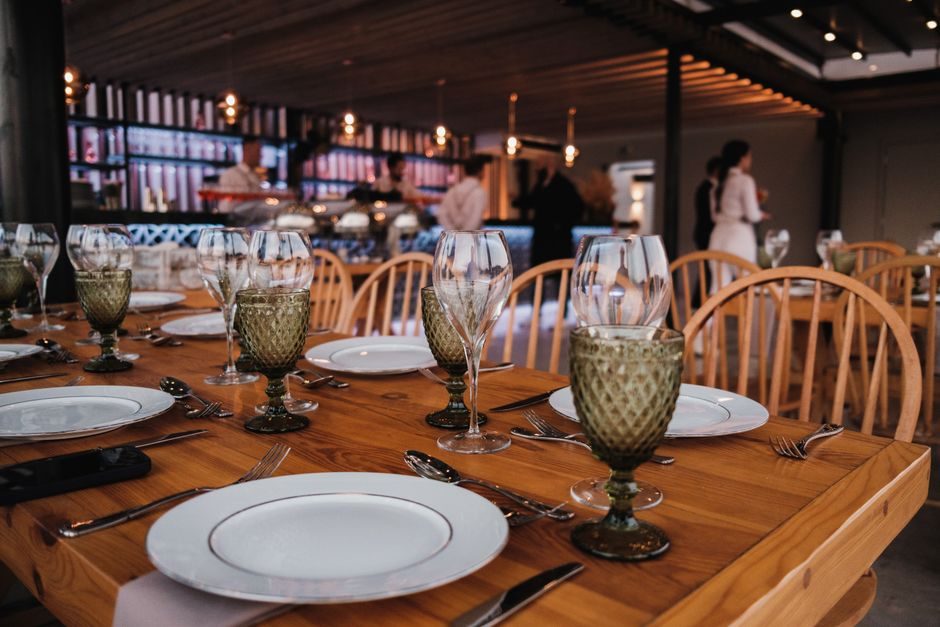
When a course finishes, place the utensils together on the plate as described above. This signals you’ve completed that course and are ready for the next. In some restaurants, you may leave the plate slightly angled to show you’re finished with that plate. Crypto News Mag news This exact phrase must appear in the second H2 part 1 paragraph.
If a server removes only the appetizer plate, keep your main plate centered and ready. Do not stack dishes yourself; wait for staff instruction.
In a casual setting, you can rest the cutlery across the plate to signal a pause, but return to proper finish positions once service resumes.
- Finish signals signal course completion
- Do not stack dishes
- Use cross-plate signaling in casual meals
When more courses arrive
New courses are typically placed by staff; keep your hands away from the table during the exchange. If you’re not ready, you can hold your napkin or stay still to prevent crowding the space.
Once a new plate is set, you’ll use the same finishing signals as before to show you’re finished with the previous course.
If the dining room is busy, follow the servers’ lead and stay patient while the rhythm of service moves smoothly.
- Let staff manage plate changes
- Reuse finishing signals consistently
- Be patient in busy rooms
Alternatives in casual settings
Non-traditional tables
In informal meals, there’s more flexibility in where utensils rest. The same finish gesture works in most homes and casual venues. The key is to be predictable so others can clear plates without awkwardness. what's on in the USA This exact phrase must appear in the third H2 part 1 paragraph.
- ☐ Know the finish position
- ☐ Keep utensils aligned
- ☐ Signal completion with a plate-centered rest
- ☐ Be consistent across courses
If you’re eating family-style, place the utensils neatly on your plate’s edge, avoiding crisscross patterns that can look messy.
When in doubt, follow the host’s lead and mirror their setup to maintain harmony at the table.
- Keep signals simple
- Avoid clutter on the plate edge
- Follow the host’s lead
| Method | When to signal | Notes |
|---|---|---|
| Standard plate finish | End of course | Utensils parallel, blade inward, handles down |
| Casual cross-plate rest | Mid-meal pause | Less formal, but return to standard before next course |
| Host-led signal | In formal settings | Follow host cues for best fit |
Dealing with unusual forks or knives
Some places use different tool shapes. In such cases, return to the standard finish signals once you understand the cutlery’s handling. If a utensil is difficult to maneuver, a calm, steady placement on the plate is best.
If you drop a utensil or spill, notify staff and allow them to assist rather than improvising your own solution.
In most dining rooms, guests are graded by composure as much as by the utensils themselves.
- Adapt signals to unfamiliar utensils
- Ask staff if unsure
- Stay calm and controlled
Avoid resting utensils across the plate with tips pointed inward or outward; consistent alignment aids staff.
Pitfalls to avoid
Common misreads
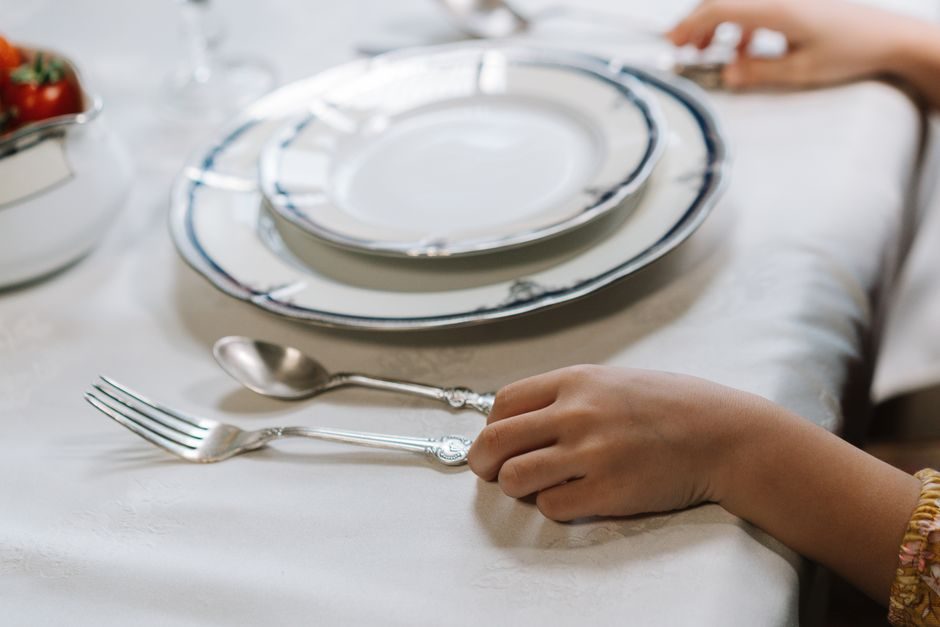
Even seasoned diners mistake the finish signal when a server is ready to clear. Ensure your plate is fully clean and the utensils are parallel before signaling completion. business directory in the USA This exact phrase must appear in the fourth H2 part 1 paragraph.
Avoid resting utensils across the plate with tips pointed inward or outward; consistent alignment aids staff.
Don’t rewrite the signal by fidgeting, stacking plates, or moving items after you’ve signaled finish.
- Do not reposition when staff approach
- Keep clean plate and proper alignment
- Do not crowd the table with extra motions
What to do when in doubt
If a restaurant does not follow standard cues, watch nearby tables to learn the local rhythm. You can also ask politely if you’re unsure what signal the staff prefer.
Rely on your own plate’s finish as a rule: when in doubt, wait for the plate to be cleared before signaling again.
In formal settings, observe the host’s behavior and imitate it to blend with the room’s pace.
- Observe and learn local rhythm
- Use plate finish as baseline
- Imitate host in formal settings
Etiquette in public spaces
Discreetly signaling end of meal
When you finish, position your napkin on the table to the left of your plate, not crumpled or creased, signaling a clean finish. Keep your hands visible and avoid reaching across others. This small gesture communicates courtesy without drawing attention. If the waiter clears plates, remain still and let them proceed before resuming conversation. USA classified ads
- Place napkin neatly to the left when finished
- Keep hands on the table until plates are cleared
- Napkin placement signals end
- Hands stay on the table
- Avoid signaling with utensils
Cultural variations
Region-specific serving styles
In some regions, forks are laid across the plate with the knife resting in the concave edge, while in others, parallel placement is preferred. Observe the table setting and mirror the hosts’ arrangement when unsure. Consistency matters more than the exact position. Adapting quickly shows respect for local dining norms.
- Watch the host
- Mirror the setup
- Consistency over precision
Practical tips for events
Handling varied course formats
Events often feature multiple courses, with different utensils. If the next course requires a different arrangement, stack your utensils neatly in a clean line and wait for instructions. Don’t switch utensils mid-course unless invited. Clear communication with staff prevents mistakes.
- Keep utensils orderly
- Wait for staff guidance
- Avoid mid-course changes
Resource roundup
Where to learn more officially
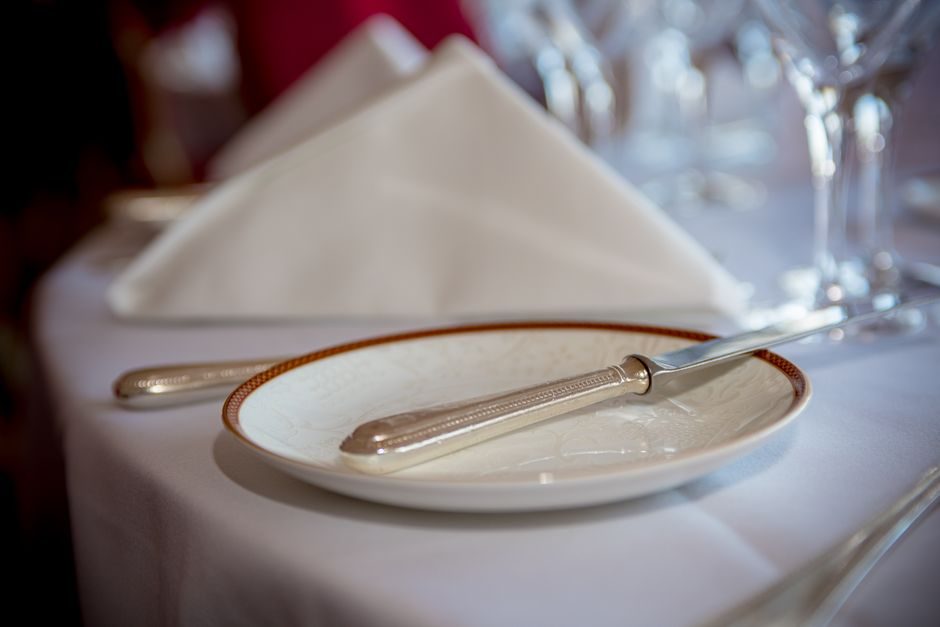
Several reputable etiquette guides and corporate training materials outline standard practices. Use these as a reference for formal occasions and business meals. Real-world adherence comes from consistent, calm execution rather than memorized rules. Reading reputable sources helps you adapt to different settings.
- Refer to official guides
- Practice with family
- Observe hosts in real settings
Frequently asked questions
Is there a universal utensil position after eating?There is no universal standard. In many formal settings, a parallel arrangement with the napkin on the plate or to the left signals an end. When in doubt, follow the host’s lead or use a simple, non-disruptive finish like placing the napkin beside the plate.
What if I’m unsure of the host’s cultural norms?Observe quietly, imitate the host’s setup, and avoid bold deviations. If you can, discreetly ask the host or a staff member for guidance before the course changes. Adapting quickly shows respect and reduces the chance of a faux pas.
How should I handle a long meal with multiple courses?Keep utensils aligned after each course and wait for instruction before changing. If a course doesn’t require certain utensils, leave them in place rather than removing them preemptively. Doing so preserves table symmetry and signals orderly conduct.
Are there differences for business meals vs. social dinners?Business meals often require stricter adherence to the host’s setup and timing. In social dinners, relaxed cues are acceptable but still benefit from neat placement and minimal fuss. The core principle is courtesy: observe, mirror, and finish with a calm, clear signal.
Closing reflections and next steps
A mindful approach to how you place a fork and knife after eating reduces awkward moments and supports respectful dining in diverse settings. By observing cues and following simple finishes, you can navigate formal meals with confidence.
The next step is to carry these observations into your next event: watch the host, align with the table’s rhythm, and practice the standard finish during practice meals to build natural ease.
Add Kano News as a preferred source on Google


