
Cultural Events in Kano: Traditions, Planning and Participation
Explore cultural event examples in Kano, from family and community gatherings to public celebrations, with practical guidance on planning and respectful partici

Cultural events include gatherings that share a community’s traditions, values, arts or history. In Kano, examples can include family celebrations, religious and seasonal observances, traditional music and dance, craft displays, storytelling and community heritage programmes. Residents can take part by learning the event’s purpose and customs, while organizers can make gatherings welcoming with clear information, thoughtful planning and respect for local practice.
The right format depends on who is hosting, what they want to share and whom they hope to reach. A family occasion calls for different arrangements from a neighbourhood cultural programme, but both benefit from clear roles, considerate invitations and attention to access, safety and local expectations.
For community groups in Kano, sharing reliable event details online can help residents learn what is planned and how to participate. The guide below covers event types, their value to communities, practical planning choices and ways to welcome attendees respectfully.
- Cultural events share a community’s customs, arts, history or identity, in formats ranging from family occasions to public programmes.
- Involve the people whose traditions are represented, explain the event’s purpose and give volunteers clear responsibilities.
- Choose a suitable venue, confirm its requirements and share accurate attendance details before the gathering.
- Welcome guests with clear guidance, considerate hospitality and a way to ask for help.
What Counts as a Cultural Event
Traditions Shared in Public
A cultural event is a gathering that shares or celebrates a community’s customs, arts, history or identity. In Kano, that might mean a programme featuring traditional music, poetry, craft demonstrations or storytelling, arranged by a community group, school or family. The defining feature is the cultural purpose, not the size of the audience or formality of the venue.
Some gatherings are tied to a particular occasion, while others focus on teaching or showcasing a practice. A local group could invite artisans to demonstrate a craft, for example, or arrange performances that introduce young people to music and oral traditions. Organizers should explain the purpose so attendees understand whether they are coming to observe, learn or participate.
Cultural events can also bring different generations together without turning every custom into a stage performance. A discussion with elders, a display of family history or a workshop on traditional skills may be just as meaningful. The format should suit the people sharing the tradition and avoid presenting one person’s experience as the only version.
Family, Faith and Community Formats
Examples range from family celebrations and community heritage programmes to performances, craft displays and educational gatherings. In Kano, an event may draw on Hausa language, local arts or shared community history, but organizers should describe their own programme accurately rather than assume every audience follows the same customs. Specific details depend on the hosts and occasion.
A school or youth group might organize a storytelling session, while a community association could present local crafts or invite residents to discuss shared history. A family celebration may include customs meaningful to its hosts and guests. These examples show how cultural events can be public or private, and educational, celebratory or focused on preserving a tradition.
Not every gathering with music or food is automatically a cultural event; its purpose and context matter. Organizers can state which tradition or community experience the programme represents and who helped shape it. That simple explanation gives residents a clearer basis for deciding whether the event is relevant to them and how to attend respectfully.
Why Cultural Events Matter to Kano Communities
Passing Knowledge Between Generations
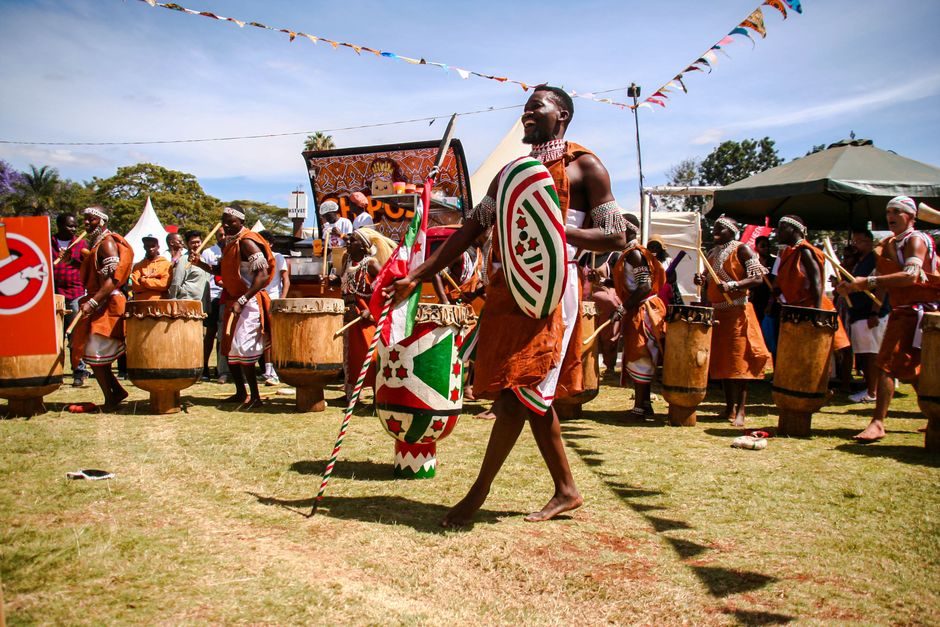
Cultural gatherings give people a chance to share knowledge that is often learned through conversation and practice. A craft demonstration, a discussion of local history or a performance can help younger attendees connect an art form with the people and experiences behind it. In Kano, community hosts can make that exchange stronger by inviting knowledgeable contributors to explain context.
Events can also help residents hear different perspectives within a community rather than treating tradition as fixed or identical for everyone. A moderated conversation, for instance, allows participants to explain how a custom is observed in their families or groups. Organizers should make room for those distinctions and avoid asking one speaker to represent an entire population.
The value of an event does not depend on turning it into a formal lesson. Shared participation, attentive listening and time for questions can make an occasion informative as well as enjoyable. Hosts can help attendees learn by identifying speakers or performers, offering a short introduction and making it clear when photography or recording is not appropriate.
Building Local Connections
A well-organized cultural event can bring neighbours, families and local groups into conversation around something they share. It may also give local artists and craftspeople a setting to present their work directly to residents. For Kano community organizers, inviting participation from different age groups can help the gathering feel relevant beyond its planning team.
These occasions can support community pride when they represent people thoughtfully and acknowledge who contributed. A programme that names its hosts, participants and cultural focus gives attendees a clearer understanding of whose stories they are hearing. Where a custom is sensitive or restricted, organizers should follow the guidance of those responsible for sharing it.
Local connections grow through practical details as well as the programme itself. A clear invitation, an accessible meeting point and a welcoming person at arrival can make it easier for residents to attend. Afterward, hosts can thank contributors and invite feedback, giving the group useful insight for future gatherings without promising that every suggestion will be adopted.
- Invite contributors from the communities represented.
- Explain the event’s purpose in the invitation.
- Make space for questions and respectful discussion.
- Ask attendees for feedback after the gathering.
How to Plan a Community Gathering
Set Purpose and Roles
Start by agreeing on the gathering’s purpose, intended audience and cultural focus. A clear aim helps a Kano community group decide whether to plan a performance, discussion, demonstration or family-friendly programme, and what contributors will be needed. Write down the main decisions so volunteers and participants have the same understanding before invitations go out.
- Define the purpose before choosing the format.
- Involve cultural contributors while plans are still taking shape.
- Give volunteers clear roles and a shared schedule.
Give named responsibilities to a small planning team, including programme coordination, venue arrangements, communication and attendee support. Check that each person knows what they can decide and whom to contact when plans change. If elders, artists or cultural contributors are shaping the content, involve them early rather than asking for approval after the programme is settled.
Build the schedule around the people and activities involved, leaving time for arrivals, transitions and questions. Confirm what performers or speakers need, including equipment, space and any limits on recording. A realistic running order helps the event feel considered and gives volunteers a practical reference on the day.
- Agree on the event’s purpose and audience.
- Assign clear responsibilities to organizers.
- Confirm contributors’ needs and permissions.
- Prepare a schedule with time for transitions.
| Format | Works well for | Planning focus |
|---|---|---|
| Cultural performance | Sharing music, poetry or dance | Contributor needs and sound |
| Craft demonstration | Showing skills and techniques | Work space and viewing access |
| Storytelling session | Sharing history and oral traditions | Speaker context and time for questions |
| Community discussion | Hearing local perspectives | Moderation and respectful participation |
Communicate Before Event Day
Share the essential details in plain language: what the gathering is about, who is hosting it, where it will take place and how residents can attend. For a Kano audience, use the channels community members already rely on, such as group messages, noticeboards or organizational pages. Check that any online post can be understood when shared without extra explanation.
Be specific about practical arrangements, including whether registration is needed, whether children are welcome and whom attendees can ask about access. Avoid publishing private contact details or images without permission. If the programme or venue changes, update the original announcement where possible and ask partners to share the correction.
A useful event notice sets expectations without making unsupported promises. Describe the activities accurately, explain any customary guidance attendees should know and state whether photography is allowed. If details are still being confirmed, say so and identify the channel where residents can check for updates before setting out.
Choose a venue that suits the event’s activities, audience and expected atmosphere, rather than selecting a space for appearance alone.
Choosing a Venue and Welcoming Attendees
Match the Place to the Programme
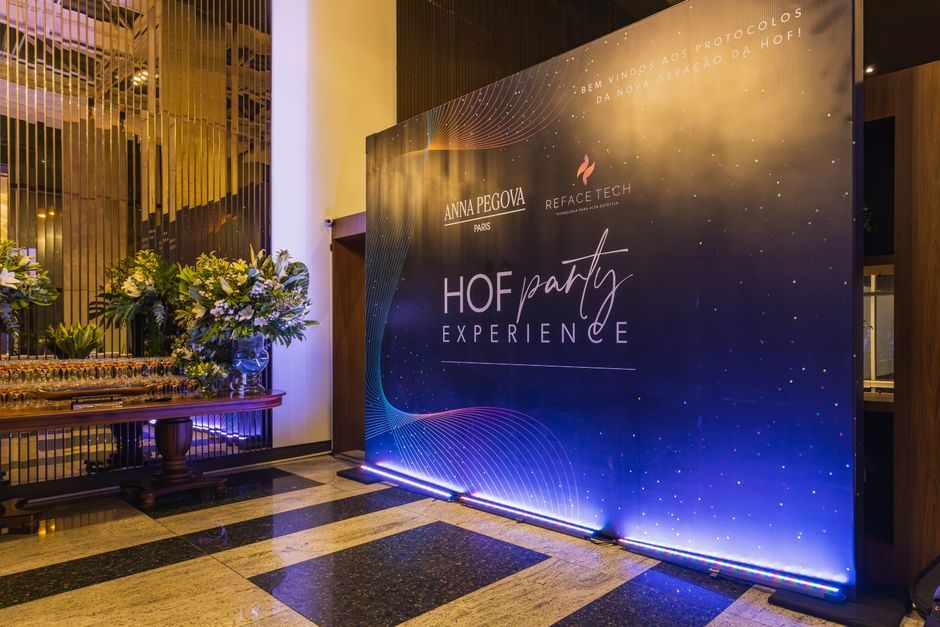
Choose a venue that suits the event’s activities, audience and expected atmosphere, rather than selecting a space for appearance alone. A discussion needs clear sightlines and a quiet setting, while a performance may require room for participants and viewers. In Kano, organizers should verify availability and any venue requirements directly with the responsible manager.
Check practical details before confirming: access routes, seating, shade or shelter, toilets, sound needs and arrangements for people who may need assistance. Consider how attendees will find the entrance and whether signs or a greeter will help. The choice should work for contributors too, including anyone bringing instruments, displays or demonstration materials.
Confirm what the venue permits, including sound equipment, decorations, photography and the length of the booking. Ask about setup and clean-up responsibilities so volunteers can plan their time. If the location is unfamiliar to attendees, provide a clear description in the invitation and a reliable way to ask for directions.
Make Arrival Feel Welcoming
Welcome attendees with a clear entrance, a visible host and a short explanation of what to expect. A greeter can direct people to seating, answer basic questions and point out any event guidance. This small task is especially helpful when the gathering brings together residents who may not know one another or the venue well.
Respectful hospitality also means explaining customs without assuming every guest already knows them. If there are expectations about dress, participation, photography or particular parts of the programme, share them in advance and repeat only what is necessary on arrival. Give guests a way to ask privately if they are unsure or need assistance.
Plan for different needs by checking access, seating and communication arrangements before the event begins. Tell attendees whom to approach if they need help, and make sure volunteers know how to respond calmly. At the close, thank contributors and guests, explain any follow-up plans and leave the venue in the agreed condition.
Sharing Event Information So People Can Find It
Make Essential Details Clear
Put the event’s name, purpose, date, start time, venue and organiser’s contact method together in the first announcement. Residents should not have to search through several posts to learn whether an event is open to them or where it will take place. If a detail is not confirmed, say so and explain when an update is expected.
- Do not publish an unconfirmed venue; mark it as pending and update the notice when settled.
- Do not omit the event time; include both the start time and any expected finish time.
- Do not leave outdated posts uncorrected; add a clear update wherever the original announcement appeared.
Use plain language and familiar place references, such as the relevant ward or nearby well-known landmark, while checking that directions are accurate. State whether attendance requires registration, whether children are welcome and what language the programme will use. These details help people decide whether they can attend and reduce repeated questions for organisers.
Choose one announcement as the source of truth, then share or update it across the channels the intended audience actually uses. A printed notice, community group message and social post should give matching information. Organizers who want to improve how people find event details online may use Seo Services as a reference for the kinds of digital marketing support available.
Keep Updates Consistent
Ask one person to maintain the event details and relay changes to everyone sharing the announcement. This prevents one poster from showing an old venue while a newer message gives different directions. Keep a copy of the final wording so volunteers can answer questions consistently, including enquiries received in person or by phone.
When plans change, lead with what has changed rather than reposting the entire announcement without explanation. Name the affected detail, such as the start time or entrance, and state whether other arrangements remain the same. If the change could affect travel or attendance, share it through the same channels used for the original notice.
After the gathering, post a brief acknowledgement and any practical follow-up, such as where to ask about a future programme. Get permission before publishing identifiable photographs, especially images of children or people who may not want to appear online. A thoughtful closing update helps residents distinguish completed events from upcoming ones and supports trust in later announcements.
- Assign one update contact.
- Check every version before sharing.
- Correct changes across all channels.
Common Planning Problems to Avoid

Prevent Confusing Arrangements
Confirm responsibilities before promotion begins, rather than assuming that another volunteer has handled sound, seating or permission to use the venue. A short written task list should name a responsible person for each essential job and show what still needs confirmation. This makes gaps visible early, while organisers still have time to adjust the plan.
- ☐ Confirm each task has a named volunteer and a clear deadline.
- ☐ Check venue access and any permissions before announcing the event.
- ☐ Make sure public notices describe registration or attendance limits accurately.
- ☐ Allow room in the programme for delays and transitions.
Avoid describing a gathering as open to everyone if capacity, security arrangements or a registration process limits attendance. Explain any conditions respectfully and provide a way to ask questions. For organizers comparing examples of location-focused online promotion, Leicester Seo Services describes services aimed at businesses in a different city; its local focus can help clarify what to look for in a provider serving Kano.
Leave practical time between programme items so a delayed arrival or longer-than-expected performance does not disrupt the whole gathering. Agree in advance who can make small schedule decisions on the day. A flexible running order is more useful than a tightly packed timetable, particularly when attendees need time to arrive, greet one another and move between activities.
Prepare for Day-Of Changes
Make a simple contingency plan for likely disruptions, including rain for an outdoor gathering, a late performer or a temporary sound problem. Identify who will decide whether to move an activity, change its order or notify attendees. The plan need not predict every difficulty; it should make the first response clear to the people responsible.
Keep essential contacts and the current programme available to the organising team, not only in one person’s phone. If mobile access fails or a volunteer is delayed, another team member should still be able to find the venue arrangement and contact the relevant helpers. Share only personal contact details that those volunteers need for their assigned tasks.
Afterward, review what caused confusion while memories are fresh, and record one practical improvement for the next gathering. Ask volunteers and attendees for specific observations, such as whether signs were easy to follow or the programme began as announced. Focus on changes the group can make, rather than blaming individuals for problems that reveal a weak process.
- Name a day-of decision-maker.
- Keep the latest programme accessible to the team.
- Record one improvement after the event.
Practical Ways to Make an Event Inclusive
Make Participation Easier
Explain who the event is for and what participation involves, using welcoming language rather than assumptions about people’s background or experience. A cultural gathering can offer different ways to take part: attending a performance, listening to a discussion, helping with a demonstration or simply observing. Make clear that guests do not need specialist knowledge to be welcome.
Think through access before confirming arrangements, including the route into the venue, seating, toilets and whether attendees can hear and understand announcements. Ask the venue or community members about practical barriers instead of guessing. Community groups sharing event updates online may consult Local Seo Services to understand how accurate location information can help people discover place-based services and events.
Where possible, give people a contact method for asking about access or programme needs before they arrive. Respond privately and explain what can be arranged, rather than promising facilities the organisers have not checked. Clear information lets attendees make their own decisions and gives the team a chance to address a manageable need in advance.
Welcome Different Generations
Plan activities so elders, younger residents and families can engage without forcing everyone into the same role. A seated storytelling session, a demonstration with time for questions and a youth-led contribution can sit within one programme. The key is to explain each activity clearly and make participation voluntary, especially when people are unfamiliar with its customs.
Consider language and hearing when preparing announcements, introductions and instructions. Use a microphone if the venue requires one, speak at a measured pace and avoid relying only on printed text or rapid verbal directions. If translation or interpretation is needed, arrange it with people who understand the context and can convey the meaning respectfully.
Invite feedback from attendees who may face barriers, but do not ask anyone to speak for an entire community. A private comment card, a named contact or a short conversation after the event can surface useful suggestions. Review those responses with the organising team and choose realistic changes for the next gathering, then tell participants what was improved.
- Offer seated and active ways to join in.
- Make instructions audible and easy to follow.
- Ask for feedback without expecting one person to represent everyone.
Keeping Traditions Meaningful for the Next Generation
Connect Elders And Youth
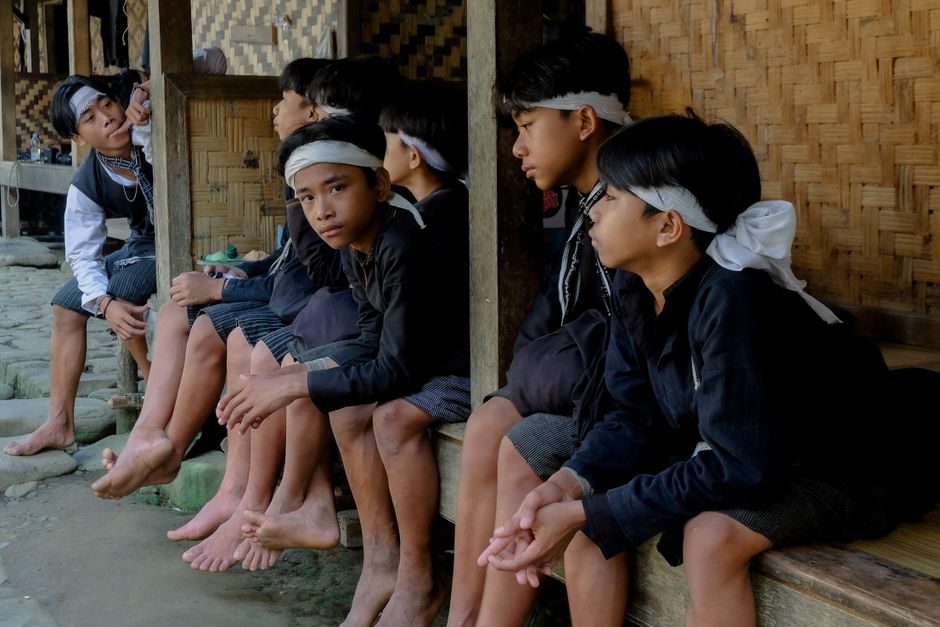
Pair experienced tradition-bearers with younger participants in a way that gives both groups an active role. An elder might explain the meaning of a song, craft or story, while a young person helps present it or records agreed notes. Ask permission before recording, and agree how any material will be stored or shared.
- Invite tradition-bearers to help shape the programme.
- Agree what may be demonstrated, recorded or shared.
- Give younger participants a meaningful role.
- Review the experience together and plan what to preserve.
Give context alongside a performance or demonstration, so audiences understand when a practice is used and why it matters to the people sharing it. A short introduction can explain relevant words, customary roles or changes over time without turning a living tradition into a museum display. Invite knowledgeable contributors to correct details and shape how their heritage is presented.
Make room for questions while setting respectful boundaries around knowledge that is private, sacred or not appropriate to record. Organisers should not assume every custom is intended for public demonstration. Discuss what may be shared with contributors beforehand, and let them decide whether a particular story, image or practice belongs in the programme.
Document With Care
Keep a record of the programme, contributors’ agreed descriptions and lessons for future organisers, while protecting material that should remain private. A written note about the origin or purpose of an activity can prevent later confusion. Store photographs, recordings and contact information with clear permission and access rules rather than circulating them without context.
Encourage young people to learn by doing, not only by watching a stage presentation. They might help prepare a demonstration, ask questions during a conversation or assist with a community display under the guidance of knowledgeable adults. Provide enough explanation for them to understand the significance of the task, and let contributors set appropriate limits.
Review the event with the people who shared their knowledge, then ask what they would change before the next gathering. Some traditions may be adapted for a public audience, while others require a quieter or more limited setting. Treat that distinction as part of preserving the practice, and make future plans with contributors rather than on their behalf.
- Record permissions alongside any approved material.
- Store notes where future organisers can find them.
- Let contributors guide future public sharing.
Frequently asked questions
How can a small community group begin planning a cultural event?Start by agreeing on the event’s purpose, intended audience and the people who will guide its cultural content. Then choose a suitable venue, confirm essential responsibilities and check any permissions or access arrangements before advertising. A modest programme with clear roles is easier to deliver well than a larger gathering whose practical details remain uncertain.
What information should an event announcement include?Include the event name and purpose, date and time once confirmed, venue, directions or a useful local landmark, and a reliable contact method. Explain whether registration is needed, who is welcome and any access details attendees should know. If a detail remains unsettled, label it clearly and say where or when people can expect an update.
How should organisers handle photographs and recordings?Explain in advance whether photographs or recordings are planned, how they may be used and who attendees can contact with concerns. Ask contributors for permission before recording their performances or stories, and take particular care with children. Do not assume that being present at a public gathering means someone agrees to have identifiable images shared online.
How can young people participate respectfully in cultural activities?Give young people a real role, such as helping prepare a demonstration, asking questions or presenting material with guidance from knowledgeable contributors. Explain the context and any boundaries around what may be performed, recorded or shared. Invite them to learn from elders without expecting one person to speak for every tradition or community.
Build Gatherings People Can Trust
Cultural events work best when their purpose is clear, community knowledge shapes the programme and practical information reaches attendees in a consistent form. Kano organisers can strengthen participation by checking access, naming responsibilities and asking contributors what may be shared. These habits help traditions remain meaningful while allowing residents of different ages and backgrounds to take part with confidence.
For your next gathering, bring a small planning group together and write down the purpose, venue needs, programme roles and communication plan. Confirm each detail with the people responsible before publishing an announcement, then assign one person to keep updates consistent. After the event, invite specific feedback from contributors and attendees and carry one useful improvement into the next plan.
Add Kano News as a preferred source on Google


