The Evolving Landscape of Global Politics
The world of geopolitics is in a state of constant flux, with shifts in power dynamics, economic alliances, and diplomatic relations occurring at an unprecedented pace. Understanding these changes is crucial for anyone seeking to grasp the intricacies of international affairs. This article delves into the key developments shaping the global political landscape, providing a comprehensive overview of the current state of affairs.
The Rise of Multipolarity
One of the most significant trends in modern geopolitics is the move towards a multipolar world. For decades, the global order was dominated by the United States and the Soviet Union during the Cold War, and subsequently by the United States as the sole superpower. However, the rise of China, the resurgence of Russia, and the growing influence of regional powers such as India and the European Union have challenged this unipolar structure.
This shift has led to a more complex and interconnected web of alliances and rivalries. Countries are increasingly forming strategic partnerships based on shared interests rather than ideological alignments. For instance, the Belt and Road Initiative led by China has drawn in numerous nations, creating a vast network of economic and political ties.
The Impact of Economic Interdependence
Economic interdependence has become a cornerstone of modern geopolitics. The interconnectedness of global economies means that political decisions in one country can have far-reaching consequences. Trade wars, sanctions, and economic cooperation are all tools used by nations to assert their influence and protect their interests.
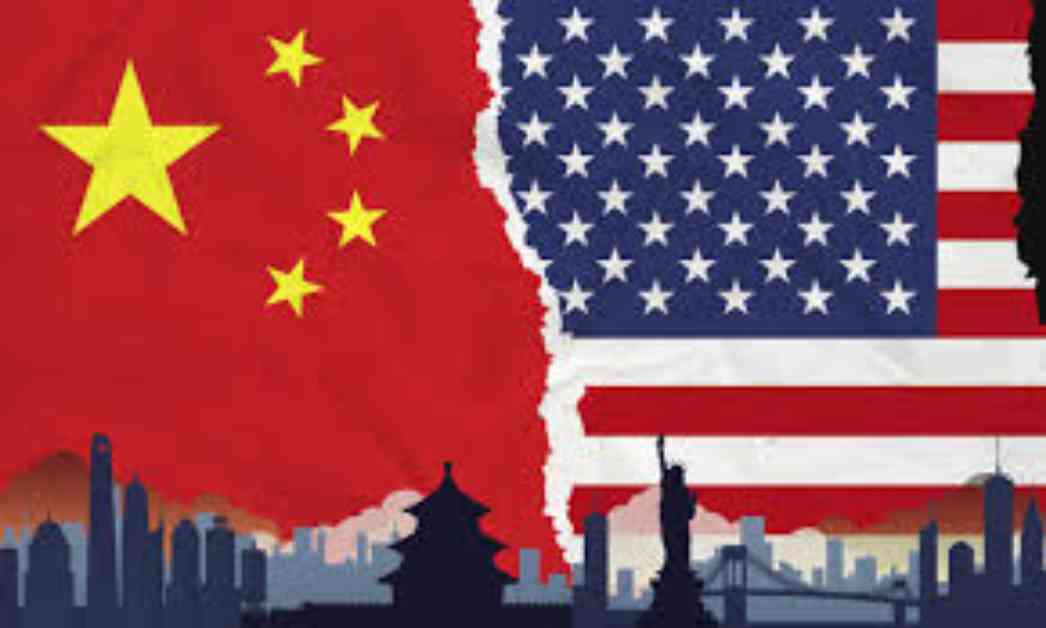
For example, the trade tensions between the United States and China have had ripple effects across the globe, impacting everything from supply chains to financial markets. Similarly, the European Union’s economic policies have significant implications for its member states and trading partners. Understanding these economic dynamics is essential for predicting future political developments.
The Role of Technology and Cybersecurity
Technology has emerged as a critical factor in modern geopolitics. The digital age has brought about new challenges and opportunities, with cybersecurity becoming a top priority for governments worldwide. Cyberattacks, data breaches, and the misuse of technology for surveillance and propaganda have become commonplace.
Countries are investing heavily in cybersecurity measures to protect their critical infrastructure and sensitive information. The development of artificial intelligence, quantum computing, and other advanced technologies is also reshaping the geopolitical landscape. These technologies can enhance military capabilities, improve economic competitiveness, and influence public opinion, making them key areas of focus for policymakers.
Climate Change and Environmental Diplomacy
Climate change is another critical issue that is increasingly influencing geopolitical dynamics. The impacts of climate change, such as rising sea levels, extreme weather events, and resource scarcity, are forcing countries to reconsider their foreign policies and alliances. Environmental diplomacy has become a vital component of international relations.
Countries are collaborating on climate agreements, such as the Paris Agreement, to address the global challenge of climate change. However, there are also tensions and disagreements over who should bear the responsibility for reducing emissions and financing climate adaptation measures. The geopolitical implications of climate change are far-reaching and will continue to shape international relations in the coming decades.
The Importance of Political News Analysis
Staying informed about the latest developments in geopolitics requires access to reliable and up-to-date information. Political news analysis today plays a crucial role in helping individuals and organizations navigate the complexities of the global political landscape. Websites like political news analysis today provide valuable insights and perspectives on current events, helping readers understand the underlying factors driving political decisions and international relations.
By keeping abreast of political news and analysis, individuals can make more informed decisions and better anticipate the potential impacts of global events on their lives and businesses. In an increasingly interconnected world, staying informed is not just a luxury but a necessity.
Conclusion
The world of geopolitics is complex and ever-changing, with numerous factors influencing the global political landscape. From the rise of multipolarity to the impact of economic interdependence, technology, and climate change, understanding these dynamics is essential for navigating the challenges and opportunities of the 21st century. By staying informed and engaging with reliable sources of political news analysis, individuals can better comprehend the intricacies of modern geopolitics and make more informed decisions in an interconnected world.