The Current Economic Landscape
The global economy continues to face significant challenges in 2023, with inflation, geopolitical tensions, and supply chain disruptions impacting financial stability worldwide. Central banks are grappling with the delicate task of balancing inflation control without stifling economic growth. Consumers and businesses alike are seeking ways to adapt to these uncertain times, with a growing emphasis on financial literacy and prudent money management.
In this context, understanding the broader economic trends and implementing practical strategies for financial resilience is more crucial than ever. This article explores the key economic shifts of 2023 and provides insights into navigating these challenges effectively.
The Impact of Inflation on Household Budgets
Inflation has been a dominant theme in 2023, with rising prices affecting everything from groceries to energy bills. According to recent data, the annual inflation rate in many countries has reached multi-decade highs, eroding purchasing power and straining household budgets. Consumers are increasingly turning to cost-cutting measures to manage their finances in the face of these rising costs.
One effective strategy for mitigating the impact of inflation is to adopt a proactive approach to budgeting. By tracking expenses, prioritizing essential spending, and seeking out discounts and deals, individuals can better manage their financial resources. Additionally, exploring alternative income streams and investing in assets that historically outpace inflation, such as real estate or stocks, can provide long-term financial security.
Money Saving Tips for Inflationary Times
For those looking to implement practical money-saving strategies, resources like the money saving tips practical guide offer valuable insights. These guides often include advice on reducing utility bills, optimizing grocery spending, and leveraging technology to find the best deals. By incorporating these tips into daily life, individuals can better navigate the financial challenges posed by inflation.
Geopolitical Tensions and Their Economic Ramifications
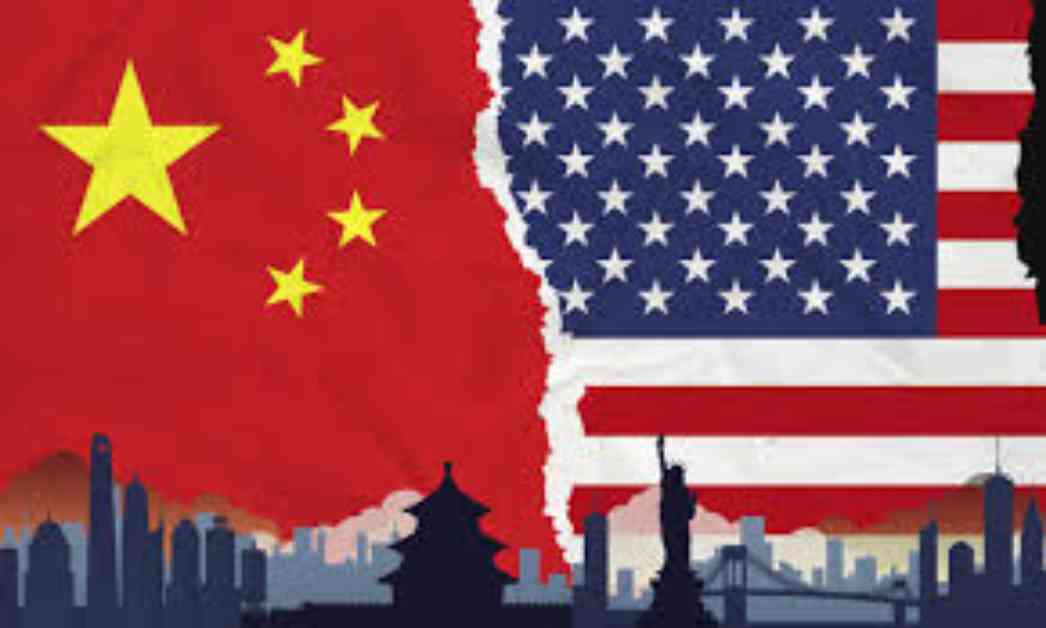
The geopolitical landscape has also played a significant role in shaping the global economy in 2023. Conflicts and trade disputes have disrupted supply chains, leading to shortages and price volatility in key commodities. The ongoing war in Ukraine, for example, has had a profound impact on global energy markets, with Europe seeking to diversify its energy sources amidst reduced supplies from Russia.
Businesses are adapting to these disruptions by diversifying their supply chains and investing in local production capabilities. This shift towards reshoring and nearshoring is aimed at reducing dependence on volatile international markets and enhancing supply chain resilience. For consumers, this trend may lead to higher prices in the short term but could contribute to more stable and sustainable economic conditions in the long run.
Navigating Supply Chain Disruptions
To mitigate the impact of supply chain disruptions, businesses and consumers alike can adopt several strategies. For businesses, investing in technology to improve supply chain visibility and implementing just-in-time inventory management can help reduce the risk of stockouts and excess inventory. Consumers can benefit from being flexible in their purchasing decisions, exploring alternative brands, and taking advantage of bulk buying opportunities when available.
The Role of Central Banks in Economic Stability
Central banks around the world are playing a pivotal role in stabilizing the economy amidst the current challenges. By adjusting interest rates and implementing monetary policies, these institutions aim to control inflation while supporting economic growth. The U.S. Federal Reserve, for instance, has been actively raising interest rates to combat inflation, a move that has had ripple effects across global financial markets.
For individuals, understanding the implications of central bank policies can provide valuable insights into managing personal finances. Higher interest rates, for example, can impact mortgage rates, savings account yields, and the cost of borrowing. Staying informed about these policy changes and adjusting financial strategies accordingly can help individuals navigate the economic landscape more effectively.
Building Financial Resilience for the Future
As the global economy continues to evolve, building financial resilience is essential for both individuals and businesses. This involves not only adopting practical money-saving strategies but also investing in long-term financial planning and education. By staying informed about economic trends, diversifying income sources, and making informed financial decisions, individuals can better prepare for future challenges.
In conclusion, the economic landscape of 2023 presents both challenges and opportunities. By understanding the broader economic trends and implementing practical strategies for financial resilience, individuals and businesses can navigate these uncertain times with confidence. Whether through adopting money-saving tips, diversifying supply chains, or staying informed about central bank policies, proactive financial management is key to weathering the economic storms and building a secure financial future.
Amidst the hustle of daily news, it’s essential to prioritize personal well-being; tips for healthy living offers practical advice on nutrition and fitness to help maintain a balanced lifestyle.
As digital threats evolve, understanding the intersection of artificial intelligence and cybersecurity is crucial; explore the dynamics in AI’s role in cyber defense.
To gain a deeper understanding of Turkey’s economic landscape, consider exploring Turkey’s economic growth and credit sector which delves into the country’s recent developments.