Introduction to Recent Weather Anomalies
The world has witnessed a series of unusual weather patterns in recent months, with significant impacts on urban centers and rural areas alike. From unprecedented heatwaves to unexpected cold snaps, these anomalies have sparked discussions about climate change and its accelerating effects. This article delves into the recent weather events, their causes, and the implications for communities around the globe.
The Role of Climate Change in Weather Extremes
Scientists have long warned about the consequences of climate change, and recent weather patterns seem to validate these concerns. Rising global temperatures, caused by increased greenhouse gas emissions, are altering weather systems and leading to more extreme and unpredictable conditions. These changes are not only affecting the frequency and intensity of weather events but also their duration and geographic spread.
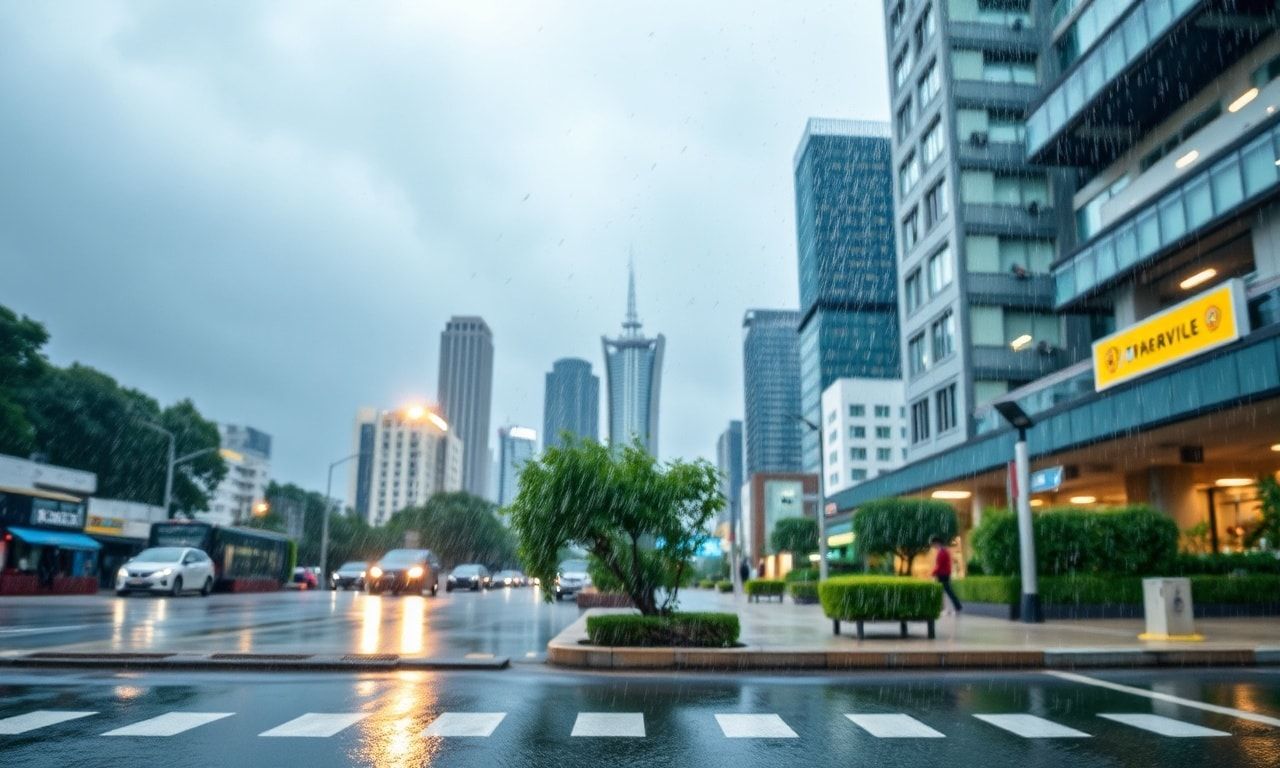
For instance, the Hong Kong weather news today has reported several instances of heavy rainfall and flooding, which are becoming more common due to climate change. These events highlight the vulnerability of urban areas to extreme weather, prompting calls for better infrastructure and preparedness.
Case Study: Heatwaves in Europe
Europe has experienced some of the most severe heatwaves in recent history, with temperatures soaring to record highs. Countries like France, Germany, and Spain have reported temperatures exceeding 40°C (104°F), leading to health emergencies, wildfires, and agricultural losses. These heatwaves are a stark reminder of the urgent need for climate action and adaptation strategies.
Unexpected Cold Snaps in North America
Conversely, North America has faced unexpected cold snaps, with temperatures plummeting to historic lows. The polar vortex, a weather phenomenon that brings Arctic air masses southward, has caused widespread disruptions. Cities like Chicago and Detroit have experienced temperatures below -20°C (-4°F), leading to school closures, transportation delays, and increased energy demand.
Impact on Urban Infrastructure
Urban centers are particularly vulnerable to extreme weather events due to their dense populations and infrastructure. Heavy rainfall can lead to flooding, damaging buildings, roads, and public transportation systems. Heatwaves can strain power grids, as seen in California, where rolling blackouts have become a common occurrence during peak summer months.
To mitigate these risks, cities are investing in resilient infrastructure, such as improved drainage systems, green spaces, and renewable energy sources. These measures aim to reduce the impact of extreme weather and enhance the overall sustainability of urban environments.
Preparedness and Response Strategies
Governments and local authorities are increasingly focusing on preparedness and response strategies to address the challenges posed by unusual weather patterns. This includes developing early warning systems, conducting regular drills, and educating the public on safety measures. International cooperation is also crucial, as weather events often transcend national borders.
Community Involvement and Education
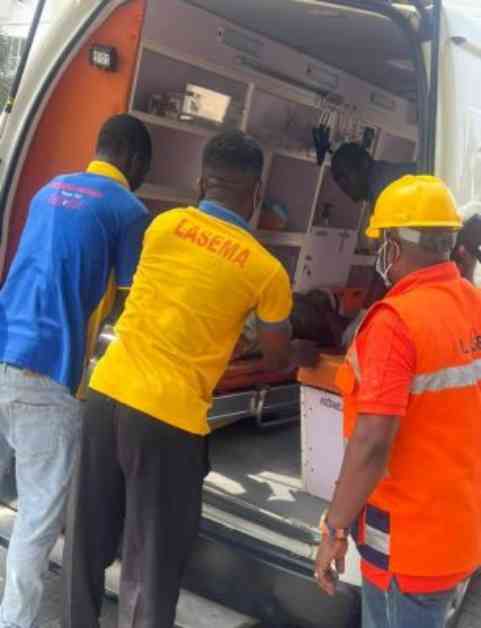
Community involvement plays a vital role in enhancing resilience to extreme weather. Local organizations and volunteers can provide valuable support during emergencies, such as distributing supplies, assisting with evacuations, and offering shelter. Education is equally important, as informed communities are better equipped to respond to weather-related risks.
Conclusion: The Path Forward
The recent spate of unusual weather patterns serves as a wake-up call for the urgent need to address climate change and its impacts. While the challenges are significant, proactive measures and international cooperation can help mitigate the risks and build more resilient communities. By investing in sustainable infrastructure, enhancing preparedness, and fostering community involvement, societies can better adapt to the changing climate and ensure a safer future for all.