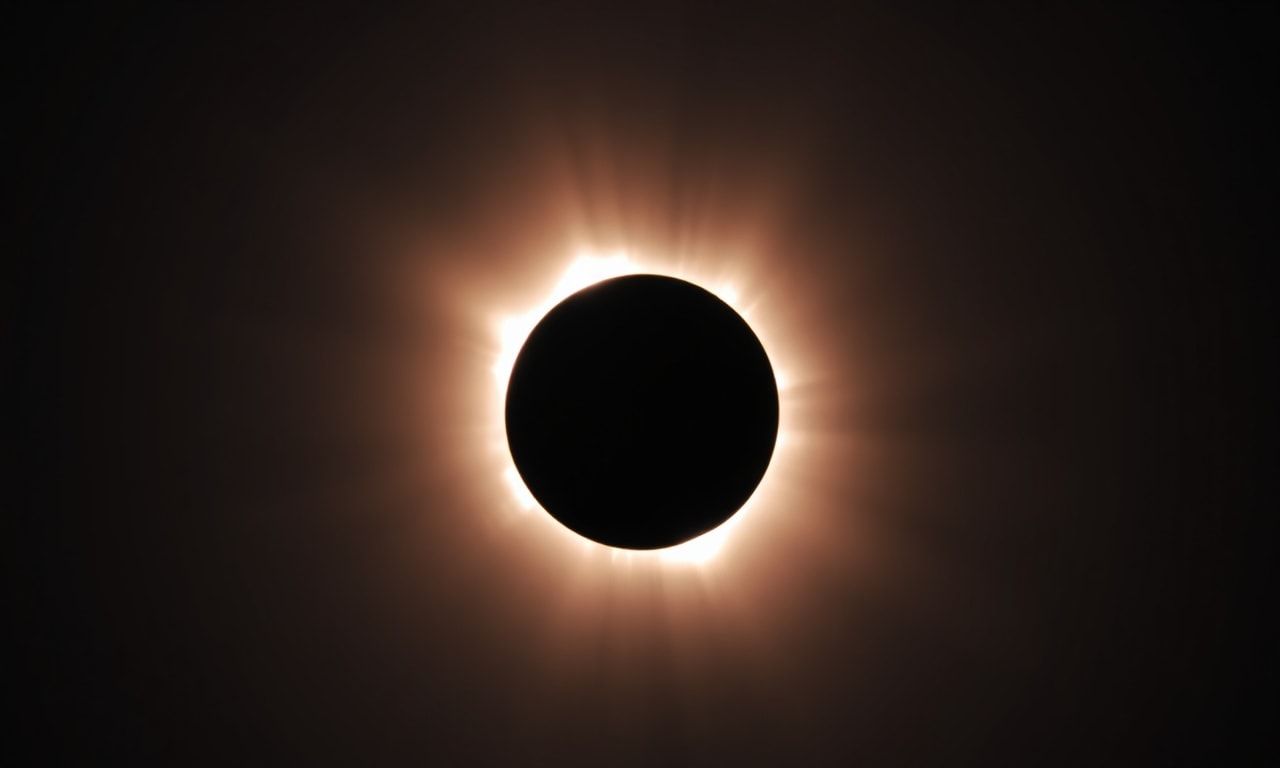
The Great North American Eclipse of 2024
The sky darkened, temperatures dropped, and millions of spectators gazed upward in awe as the solar eclipse of April 8, 2024, traversed North America. This celestial event, dubbed the ‘Great North American Eclipse,’ was a rare and breathtaking phenomenon that captivated both scientists and the general public alike. The eclipse’s path of totality stretched from Mexico’s Pacific coast to the Atlantic coast of Canada, passing through the United States, offering a unique opportunity for millions to witness the sun’s corona in all its glory.
Scientific Significance and Research Opportunities
The 2024 solar eclipse presented a wealth of scientific opportunities. Researchers and astronomers seized the moment to study the sun’s corona, solar flares, and other solar activities that are typically obscured by the sun’s intense brightness. NASA and other space agencies deployed numerous missions and experiments to gather data, aiming to enhance our understanding of the sun’s influence on Earth and space weather. Citizen scientists also played a crucial role, contributing valuable observations and data through various crowd-sourcing initiatives.
In addition to solar research, the eclipse provided insights into Earth’s atmosphere and wildlife behavior. Scientists observed changes in animal behavior, temperature fluctuations, and atmospheric conditions, offering a glimpse into the interconnectedness of our planet’s ecosystems. The eclipse also served as a reminder of the importance of space weather research, as solar activity can have significant impacts on satellite communications, power grids, and other technological infrastructure.
Community Engagement and Public Events
Communities along the path of totality prepared for the eclipse with a variety of public events, educational programs, and viewing parties. Libraries, schools, and local organizations hosted workshops and activities to educate the public about the science behind solar eclipses. Many cities and towns organized festivals and gatherings, drawing in visitors from around the world. The sense of community and shared excitement was palpable as people came together to witness this rare celestial event.
In a nearby town, the local community center organized a viewing party complete with telescopes, educational talks, and family-friendly activities. Meanwhile, a nearby restaurant announced restaurant opening news to coincide with the eclipse, offering special menus and eclipse-themed decorations. The event not only fostered a sense of unity but also boosted local economies as visitors flocked to the area.
Challenges and Safety Measures
Despite the excitement, the eclipse also presented challenges, particularly in terms of safety. Authorities and organizations emphasized the importance of using certified eclipse glasses to protect eyes from the sun’s harmful rays. Misinformation and counterfeit eclipse glasses posed risks, prompting health officials to issue warnings and guidelines. Traffic congestion and overcrowding were also concerns, as large numbers of people traveled to prime viewing locations.
To mitigate these challenges, local governments and emergency services implemented traffic management plans, set up designated viewing areas, and provided resources to ensure public safety. The coordination between various agencies and community organizations was crucial in ensuring a smooth and safe experience for all attendees.
The Impact on Future Eclipse Enthusiasts
The 2024 solar eclipse left a lasting impression on many, inspiring a new generation of eclipse enthusiasts and amateur astronomers. The event sparked curiosity and a deeper appreciation for the wonders of the universe. For many, it was a once-in-a-lifetime experience that fostered a lifelong interest in astronomy and space science.
As the world continues to look to the skies for future celestial events, the legacy of the 2024 solar eclipse will endure. The knowledge gained, the memories created, and the sense of awe and wonder will inspire future generations to explore the mysteries of the cosmos.