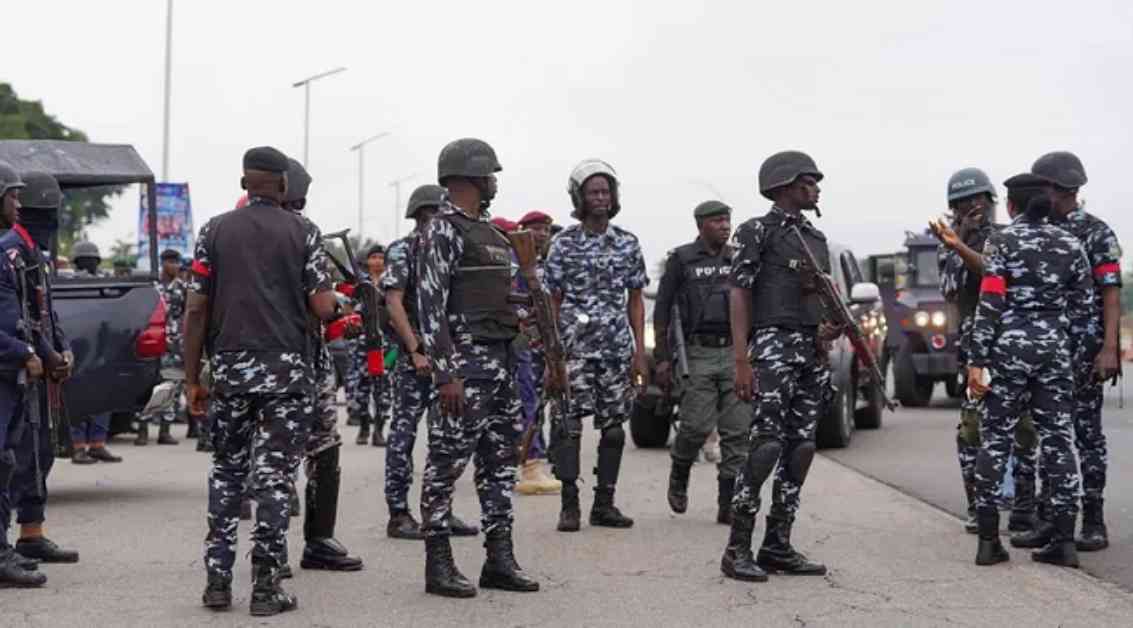
In a recent incident along the Kabba-Ayere road in Kogi state, the Police Mobile Force, 70 Squadron, Kabba, successfully prevented the abduction of passengers on the highway. The Kogi state police command revealed this information through their Police Public Relations Officer (PPRO), ASP William Aya, during a press briefing in Lokoja over the weekend. The event occurred on a Friday, highlighting the ongoing efforts of law enforcement to combat criminal activities in the region.
Swift Police Action Thwarts Abduction Attempt
Upon receiving a distress call, officers from the Sharper Corner pindown swiftly responded by dispatching reinforcement teams to the scene. The police engaged the hoodlums, who attempted to abduct the passengers, with their superior firepower. Thanks to the swift and decisive action of the police, the criminals were forced to retreat into the nearby bushes, leaving their victims behind. The timely intervention of the law enforcement officers resulted in the successful rescue of the endangered passengers, ensuring their safety and well-being.
The Commissioner of Police, Kogi State Command, CP Miller G. Dantawaye, wasted no time in ordering the deployment of additional operational and tactical assets to thoroughly search the surrounding areas. The goal is to locate and apprehend the fleeing criminals, holding them accountable for their actions. CP Dantawaye also took the opportunity to commend the officers of 70 PMF, Kabba, for their unwavering dedication and commitment to protecting the public. He reassured the community that the police force remains vigilant and proactive in the ongoing battle against criminal elements in the state.
Upholding Public Safety Through Vigilance and Determination
The incident serves as a stark reminder of the challenges faced by law enforcement in maintaining public safety and security in the face of criminal threats. The quick response and effective coordination demonstrated by the police officers in this case underscore the importance of continuous training and preparedness in combating criminal activities. The commitment and professionalism exhibited by the men of 70 PMF, Kabba, reflect the values of the police force in upholding the rule of law and protecting the citizens they serve.
As members of the community, it is essential to remain vigilant and cooperative with law enforcement authorities to ensure a safe environment for all residents. Reporting suspicious activities and providing timely information to the police can significantly aid in preventing crimes and apprehending perpetrators. The collaborative efforts between the public and law enforcement agencies are crucial in building a resilient and secure society where criminal elements are swiftly dealt with and brought to justice.
In conclusion, the successful thwarting of the abduction attempt on the Kogi highway highlights the bravery and dedication of the police force in safeguarding the lives and property of the citizens. The unwavering commitment of law enforcement officers to uphold the law and protect the community serves as a beacon of hope in the fight against criminality. By working together and supporting the efforts of the police, we can create a safer and more secure environment for everyone to thrive and prosper.