The Rise of Community-Led Urban Renewal
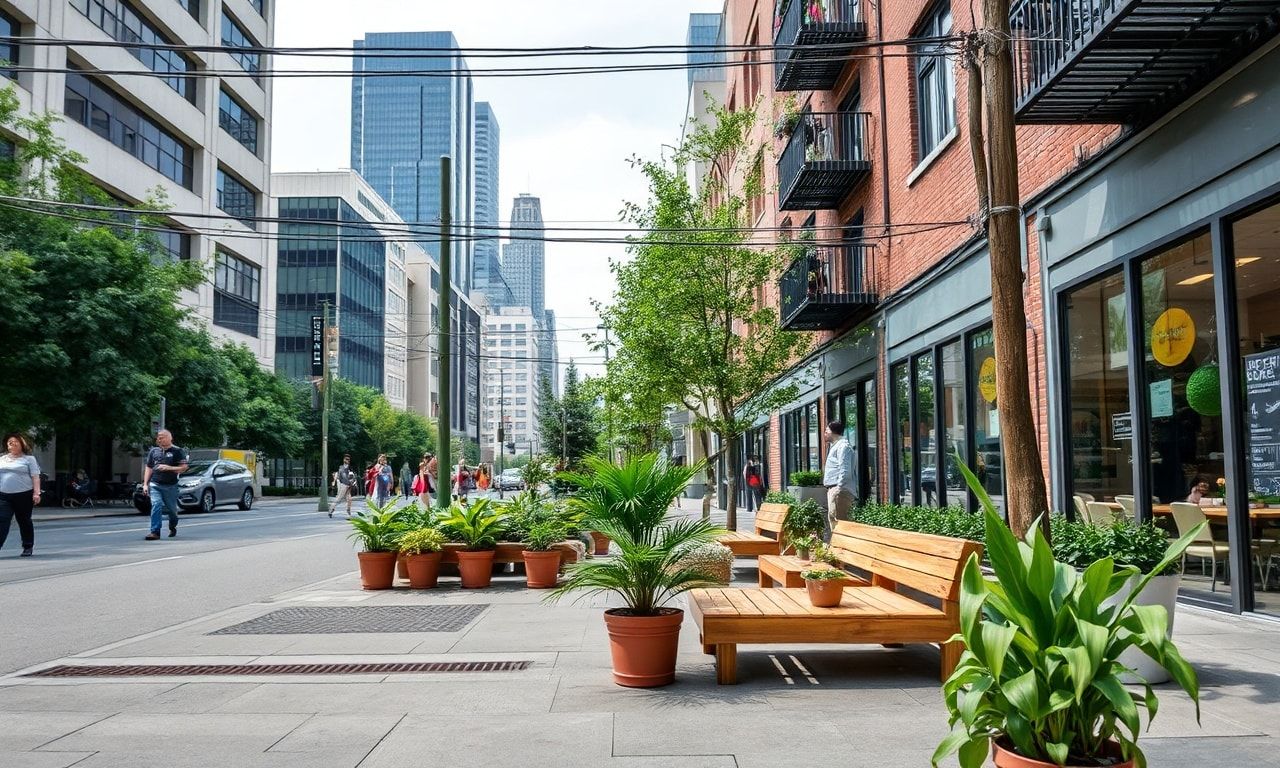
In recent years, there has been a significant shift in how cities approach urban renewal. Traditional top-down methods are increasingly being supplemented, or even replaced, by community-led initiatives. These grassroots efforts are not only transforming neglected areas but also fostering a sense of ownership and pride among residents. From city park renovation projects to the establishment of local markets, these initiatives are proving that community engagement is key to sustainable urban development.
The Power of Collective Action
Collective action has been at the heart of many successful urban renewal projects. Residents, local businesses, and non-profit organizations often come together to identify areas in need of improvement and develop solutions tailored to the community’s unique needs. For instance, in the city of Portland, Oregon, a group of residents spearheaded a campaign to transform an abandoned lot into a vibrant community garden. The project not only beautified the area but also provided fresh produce to local families and created a space for educational workshops on sustainable living.
Case Study: The Transformation of Detroit’s Eastern Market
One of the most notable examples of community-driven urban renewal is the transformation of Detroit’s Eastern Market. Once a struggling market, it has now become a thriving hub for local farmers, artisans, and food entrepreneurs. The revitalization was largely driven by the community’s desire to preserve the market’s historic character while adapting it to meet modern needs. Today, the Eastern Market hosts a variety of events, from farmers’ markets to food festivals, attracting visitors from across the region and contributing to the local economy.
The Role of Technology in Community Engagement
Technology has played a crucial role in facilitating community engagement and driving urban renewal initiatives. Platforms like Nextdoor and local Facebook groups enable residents to connect, share ideas, and organize efforts more efficiently. Additionally, crowdfunding platforms like Kickstarter and GoFundMe have made it easier for communities to raise funds for their projects. For example, a neighborhood in Brooklyn, New York, successfully raised over $50,000 through a crowdfunding campaign to renovate a local park, demonstrating the power of collective effort and digital tools in achieving community goals.
Challenges and Considerations
While community-led initiatives have shown tremendous potential, they are not without challenges. Securing funding, navigating bureaucratic hurdles, and ensuring long-term sustainability are common obstacles. Moreover, it is essential to ensure that these initiatives are inclusive and representative of the entire community, rather than just a select group of residents. Effective communication, transparency, and collaboration with local authorities are crucial in overcoming these challenges and ensuring the success of urban renewal projects.
The Future of Urban Renewal
As cities continue to grow and evolve, the role of community-led initiatives in urban renewal will likely become even more significant. By empowering residents to take an active role in shaping their neighborhoods, cities can create more vibrant, inclusive, and sustainable urban spaces. The success stories of communities like Portland, Detroit, and Brooklyn serve as inspiring examples of what can be achieved through collective effort and a shared vision for the future.
To gain a deeper understanding of the challenges faced by journalists today, consider exploring modern journalism’s crime reporting and its evolving landscape.
In an ever-evolving world, understanding how to adapt and grow is crucial for professionals in journalism and current events; explore cultivating a growth mindset to stay ahead.
In the realm of community development, a new perspective is emerging as neighbors become key players; explore how in innovation within communities.