
What to Do in London: Practical Tips for Visitors
Clear, practical tips for navigating London with focus on timeless activities, neighborhoods, and planning. Learn what to do, where to start, and how to make th

A clear guide to what to do in London helps readers plan a concise, enjoyable visit without wasting time. This piece presents practical options based on interests, proximity, and pace. It emphasizes reliable, everyday choices that work for first-timers and repeat visitors alike.
From iconic landmarks to quiet corners, the article prioritizes actions you can actually fit into a day or two. It also includes ways to adjust plans when weather or crowds shift. The goal is to provide calm, practical steps you can take before you arrive and while you are on the ground.
Across the guide you’ll find straightforward recommendations, cautious reminders about busy hours, and a framework for choosing neighborhoods depending on what you want to experience.
- Plan two neighborhoods per day to limit travel time while seeing variety.
- Group activities by proximity to stay efficient in crowded conditions.
- Use timed entries for popular sites to minimize lines and optimize your day.
- Balance iconic experiences with quiet corners to avoid fatigue.
Basics and planning
What to prioritize first
Start with a short list of priorities based on your interests: art, history, parks, or markets. Pick two to three core experiences and anchor them to neighborhoods you’ll visit. This keeps a plan flexible yet focused. wat te doen in Utrecht
Think about transit every day—Rock and roll pace asks for efficient routes and walking between sites. A single tube day pass or contactless payment keeps travel simple and fast.
- Choose a central base to minimize travel time
- Bundle sites by walking routes to save time
- Reserve timed-entry when possible
- Keep a rough daily rhythm to avoid fatigue
Neighborhoods to guide your route
Different areas offer distinct feels: central classics, riverside calm, or vibrant markets. Start with a familiar core like Westminster or the South Bank, then branch out to pockets such as Greenwich or Notting Hill. This structure helps you see variety without zigzagging across the city.
A practical approach is to map two neighborhoods you want to explore each day and link them with a simple route. It keeps travel predictable even in crowded conditions.
- Base in central zones for easy access
- Link neighborhoods by a straightforward transit path
- Factor opening hours and crowd levels into plans
- Allocate time for spontaneous stops at parks or viewpoints
What to see and do
Must-see classics
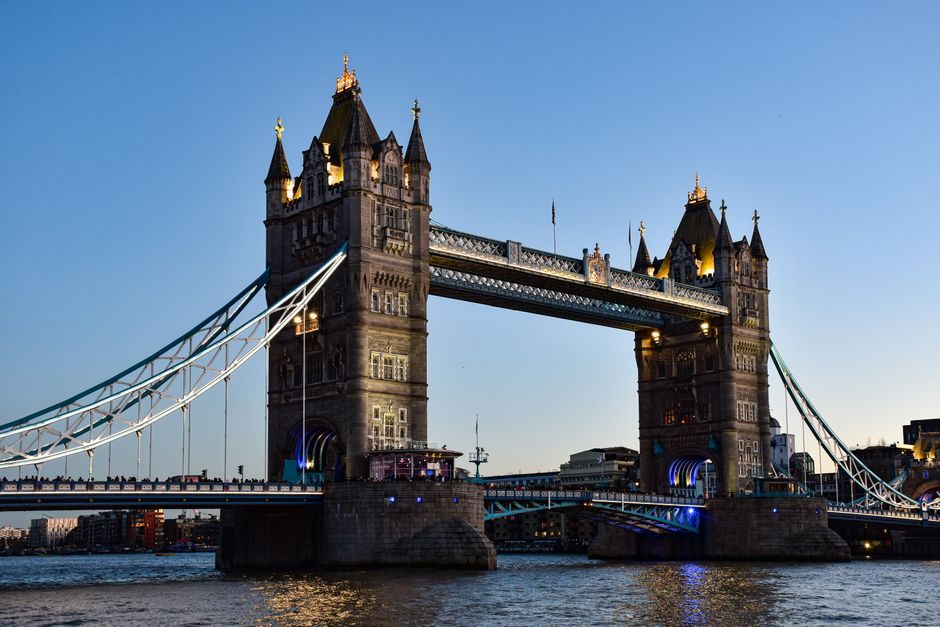
Outline the iconic sites you want to visit, such as a historic collection or a landmark view. Prioritize indoor or outdoor experiences based on weather and energy. Even iconic stops feel more meaningful when linked to a story you care about. A useful resource on this topic: advocaat in Nijmegen.
- List top three sites
- Check opening hours
- Book timed slots if offered
- Arrive early to avoid crowds
Choose timed entries when possible to avoid long lines, and consider combining two nearby sites to minimize travel. A short waiting period often pays off in a richer experience.
- Pair a landmark with a nearby museum
- Visit at off-peak times if you can
- Keep a lightweight bag to stay comfortable
- Use a photo stop that doesn’t derail the visit
Hidden gems and calm corners
London isn’t only big sights; it has quiet parks, riverside walkways, and small galleries. Seek times when neighborhoods are less crowded, and you’ll discover details that big venues overlook. A short stroll can turn a standard route into a memorable moment.
Lean on local maps or guides for offbeat stops that fit your interests. A nearby cafe, a bookshop, or a riverside bench can become a meaningful pause during a busy day.
- Look for lesser-known museums or markets
- Pause at a park bench with a view
- Take a longer break in a neighborhood hub
- Support small businesses during your walk
Where to eat and drink
Food spots by interest
Match meals to your pace and location. In central areas you’ll find quick, affordable options as well as sit-down venues. If you’re wandering, a neighborhood market often pairs snacks with a sense of place.
- Identify snack or meal goals
- Locate two nearby options
- Check opening hours
- Make a quick plan around meal times
For a calmer experience, seek smaller venues away from main lines. You’ll often find better value and more attentive service.
- Choose a market for variety
- Reserve a table if you want a full meal
- Try a neighborhood cafe for a slower pace
- Walk between bites to stay mobile
| Option | Pros | Cons |
|---|---|---|
| Must-see classics | Fast route to photo-worthy moments | Crowds can slow progress |
| Hidden gems | Delightful surprises, fewer crowds | May require extra walking or planning |
| Food-forward breaks | Energy kept steady, local experience | Some spots may have limited seating |
Practical tips for dining
London’s dining scene rewards curiosity but can also be confusing for visitors. Start with places that show clear menus and prices to avoid surprises. Reading menus closely helps you compare portions and value.
If you’re staying awhile, mix casual spots with a modest sit-down to balance energy. The goal is consistent energy, not gourmet splurges at every meal.
- Compare menus for value
- Ask about portion sizes
- Reserve when possible
- Be mindful of service charges
The Tube, buses, and walking cover most needs, and contactless payments simplify fares.
Practical travel basics
Getting around efficiently
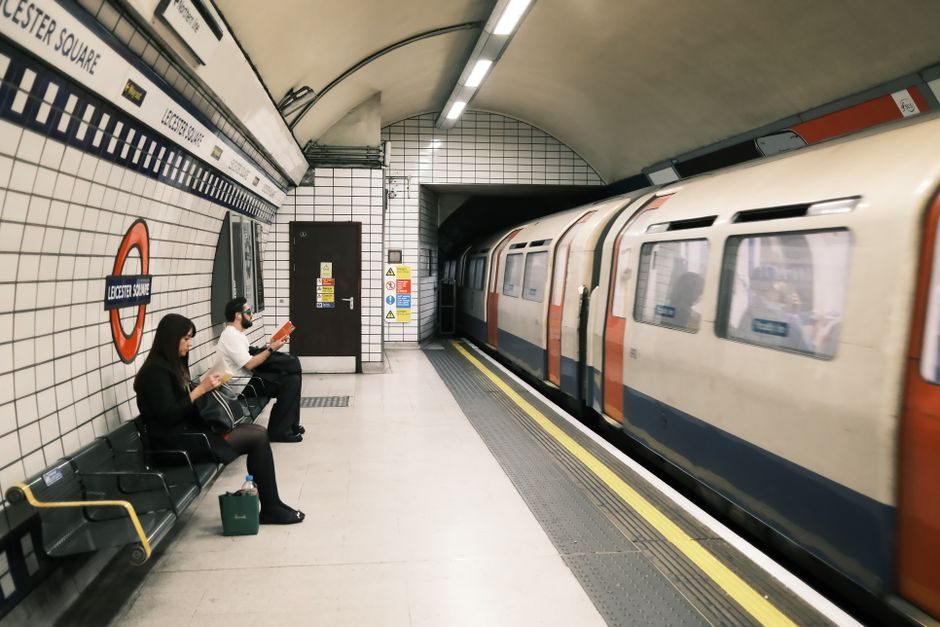
Public transit stays the backbone for most visitors. The Tube, buses, and walking cover most needs, and contactless payments simplify fares. Plan routes by mapping your day around a single hub or two so you’re not crossing the city repeatedly.
Carry a small map or offline plan for offline moments. Paper maps are rarely needed, but a quick reference can save time if your device falters.
- Use contactless payment for quick access
- Avoid peak hours for crowded lines
- Choose a central hub as your base
- Keep a compact map for reference
Safety and practicalities
London is generally safe for visitors, though common-sense precautions still apply. Keep valuables secure, stay aware of surroundings, and plan routes with lighting and foot traffic in mind. If you’re out late, choose well-lit streets and registered transport options.
Know emergency numbers and the presence of multilingual help at major stations. A little preparation reduces stress in unexpected moments.
- Keep belongings secure in crowded places
- Use official transport apps for live updates
- Share your itinerary with a friend
- Trust official information at stations
Tips for a smooth trip
Create a realistic plan
Begin with a core list of must-see places and map them by proximity to minimize backtracking. Note opening hours and reserve timed slots where possible to avoid long waits. Build a flexible buffer for weather changes or an unexpected delay.
- ☐ Choose two central neighborhoods to anchor your route
- ☐ Sign up for at least one online booking or ticket if required
- ☐ Pack a compact umbrella and portable charger
- ☐ Keep a daily budget note to avoid overspending
A practical plan sets expectations and reduces stress, especially in a city with crowded transport and popular sites. Explain routes and travel times to a companion so everyone knows what to expect. Keep emergency contact details handy and a small local map on hand.
A clear plan also helps you balance essentials like rest, meals, and transit transfers. It lets you compare alternative days if a venue is crowded or closed for maintenance. Having a plan improves the odds of seeing key sites without rushing or fatigue.
- Prioritize two or three core experiences per day
- Check if sites require advance booking
- Pack a compact day bag with water and snacks
- Know transit options before arrival
Weather and timing

Plan around the weather
London weather can shift quickly, so check the forecast at least daily and be ready to adapt. Layered clothing works well for mixed conditions, and a compact rain jacket fits in most bags. Consider indoor alternatives for rough weather to keep plans intact.
Outdoor sights like parks or riverfront walks lose some charm in rain, but museums and markets offer reliable alternates. Identify indoor options near your outdoor plans to switch without wasting travel time. Prepare a small backup plan in case conditions worsen.
Timing matters: early starts can mean lighter crowds and better photo opportunities. Adjust arrival times for popular spots to avoid peak periods and long lines. End days with winding routes that let you see the city lit up without rushing.
- Check forecast in the morning
- Layer clothing for versatility
- Have indoor options ready
- Use daylight hours for outdoors when possible
Budget and value
Budget with purpose
List daily essentials first, then compare options for meals, transit, and entry fees. Use contactless payments where accepted to speed up queues and avoid change hassles. Track spending at day’s end to adjust plans without surprises.
Look for free or low-cost alternatives to flagship attractions, such as public parks, arcades, markets, and galleries with free hours. Plan a couple of paid experiences that offer high value for their cost to balance the trip.
Be mindful of transit cards and peak times; a week-long pass can be useful if you plan frequent trips. Save money by walking short legs between sites when possible and use a bike or bus for longer hops.
- Identify two big-ticket items and two low-cost days
- Mix paid and free activities
- Use contactless payments where available
- Compare transit passes before buying
Family and accessibility
Make it family friendly
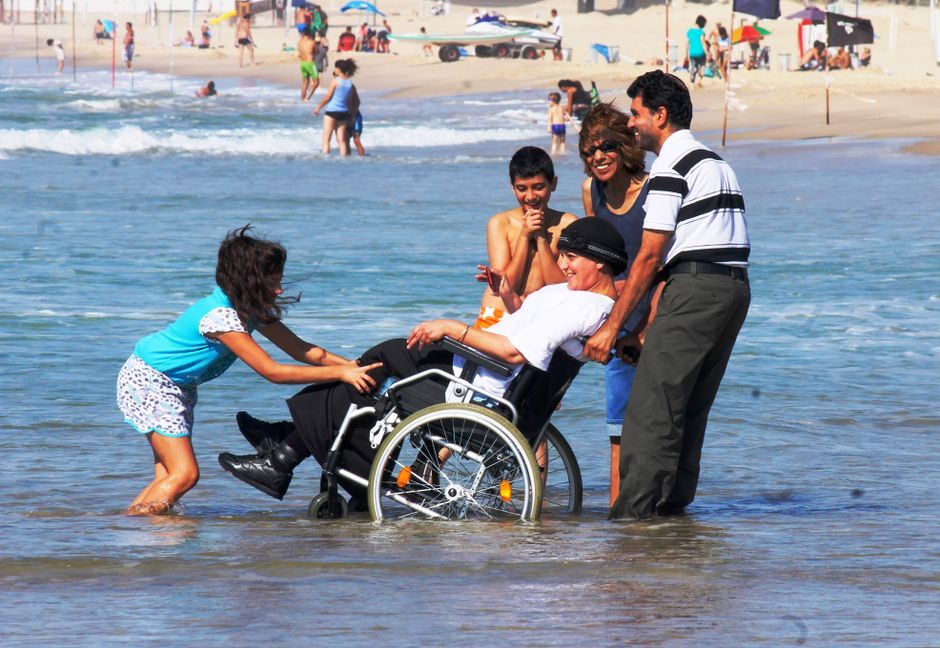
Choose attractions with kid-friendly hours and content to minimize fatigue for younger travelers. Look for attractions with easy access routes, ramps, and elevators to avoid delays. Plan snacks and short breaks to maintain energy levels for the whole family.
Many museums offer family guides or children’s activities that align with learning goals. Check for stroller accessibility and avoid sites with stairs-only access when possible. A practical approach is to alternate high-energy sites with calmer ones to balance the day.
Involve everyone in simple choices, such as which neighborhood to explore next or where to eat. Clear expectations help children feel included and adults stay focused on logistics and safety.
- Schedule flexible blocks for breaks
- Verify accessibility features in advance
- Choose a mix of indoor and outdoor activities
- Prepare a simple daily itinerary
Frequently asked questions
What is the best way to move around London for a first visit?For many travelers, a combination of walking and public transit works best. Start with an Oyster card or contactless payment method to keep fares predictable, and plan routes using transit apps to avoid delays. Walking short legs between close sites saves time and offers city insight.
Are there free activities that are worth prioritizing?Yes. Many museums offer free admission on certain days or for specific collections. Parks, markets, and certain historic sites also provide meaningful experiences without a high price tag. Check times and accessibility in advance to fit them into your day.
How should I handle meals to keep costs reasonable?Aim for a mix of casual eateries and occasional sit-down meals. Look for lunch specials, avoid peak dinner hours for better seating, and consider markets or neighborhood pubs for balanced prices.
What should families consider when planning with kids?Choose venues with easy accessibility and kid-centric activities. Build in breaks and snack time, and keep transit legs short to prevent fatigue. Involve children in decisions like which neighborhood to explore next to maintain engagement.
Takeaways and next steps
A thoughtful plan helps you see more with less stress, balancing must-sees with downtime. Start by identifying two neighborhoods and reserving at least one ticketed activity to avoid lines. Use weather-aware packing to stay comfortable regardless of conditions.
Next, build a flexible schedule that can absorb weather or crowd changes. Keep a simple daily budget, visit a few free venues, and map a practical transit route between sites. With these steps, you can experience a well-rounded visit and return with clear memories.
Add Kano News as a preferred source on Google


