
What submitting an event in London means for readers
A clear explainer on submitting an event in London: what it is, when to use it, and how it helps audiences stay informed and engaged.

Submitting an event in London is a straightforward way to share what’s happening in the city with a broad audience. This explainer explains what it is, why it matters for readers, and how to do it correctly so information reaches locals and visitors. Read on for practical steps, common options, and tips to avoid typical mistakes.
For readers who cover or attend city events, submitting details to trusted platforms helps improve visibility and reduces the spread of misinformation. The guide shows how to present essential facts clearly, verify dates, and format information so it’s ready for publication.
The goal is to give you a practical understanding of the submission process and its impact on how London news circulates. Expect concrete steps, real-world examples, and careful notes on safety, accuracy, and timeliness.
- Submitting an event in London helps local readers plan their time and verify details across outlets.
- Follow platform guidelines to improve chances of publication and reach.
- Focus on accuracy, clear descriptions, and timely updates to avoid confusion.
- Use multiple channels carefully to maximize visibility without duplicating inconsistencies.
Basics of submitting events
What is submitting an event
Submitting an event means sending key details about a planned activity to a publication or platform so it can be shared with readers. The process is often simple: provide the event title, date, time, venue, and a brief description. Accuracy matters because readers rely on the information to plan travel and participation. submit an event in London is the starting point for listings that readers rely on to plan their week.
- Identify the event details: title, date, time, venue
- Draft a concise description with location
- Include contact or ticket info if available
- Submit through the platform’s form or email
- Provide a clear title
- List date and time precisely
- Include venue and city
- Add a short, factual description
- Provide a clear title
- List date and time precisely
- Include venue and city
- Add a short, factual description
Why readers should care
Events shape daily life and local discourse. A well-submitted listing helps readers decide what to attend, fosters community involvement, and supports organizers by reaching a larger audience. For newsrooms, timely submissions improve coverage of cultural, civic, and practical happenings.
The information should be usable: dates should be correct, venues accessible, and any restrictions noted. Readers benefit from consistent formatting that makes it easy to compare events and plan visits.
This topic matters to readers who want reliable, up-to-date city information. Proper submissions reduce confusion, prevent missed details, and build trust between outlets and audiences.
Where submissions typically go

Common platforms
Many platforms accept event submissions directly through online forms or email. Some outlets publish a calendar page, while others run weekly roundups or city briefs. The exact steps vary, but the requirement for clear, verifiable details remains constant. latest news London provides context when events intersect with breaking stories and city updates.
Readers should check the submission guidelines for each platform, as requirements differ. Some will ask for a short description, a link, and accessibility notes. Others may request a media contact for follow-up questions.
Submitting to multiple channels can broaden reach, but it also increases the chance of inconsistencies if details diverge.
- Check platform guidelines
- Include a reliable contact
- Provide a concise description
- Ensure dates and venue are correct
- Verify accessibility information if relevant
Why timing matters
Submitting early helps ensure your event appears in advance calendars, not as a last-minute listing. Early entries also give editors time to verify details and arrange any needed coverage, such as permissions or photo opportunities. If an event changes, timely updates prevent readers from showing up to empty venues.
Publishers appreciate accurate timing for calendar placement, featured slots, or roundup timing. Delays can lead to missed opportunities for readers who rely on timely information.
For readers, timely submissions mean more reliable planning and fewer surprises when a event is sold out or rescheduled.
Editorial options and limits
Different formats
Different outlets format event information to fit their audience. Some prefer short calendar entries; others publish fuller articles about a notable event. Understanding format expectations helps you tailor the submission with the right length and emphasis. get your business listed in London can help event organizers reach local audiences and potential attendees.
Editors may require captions, photos, or a short quote from organizers. Matching these expectations improves the chance of publication and reader engagement.
A misfit format can lead to skipped listings, even if the event is valid and timely.
- Adapt to calendar or feature formats
- Provide captions and organizer quotes if requested
- Use a clear, neutral tone
- Keep to the platform’s length limits
| Method | Pros | Cons |
|---|---|---|
| Calendar listing | Broad reach, easy to scan | Limited space for details |
| News feature | Context and impact | Requires more verification and time |
| Community board | Direct audience touch | Variable visibility |
What makes a submission strong
Strong submissions present verified facts and practical details. Include exact start times, accessibility notes, and any required tickets or registration links. A robust description helps readers decide quickly whether to attend.
Avoid vague language; specify city districts or neighborhoods if helpful for orientation. Confirm venue names spellings and any transit notes that affect arrival.
A solid submission anticipates follow-up questions and provides answers within the listing.
- Provide precise times and locations
- Include accessibility and transit notes
- Add registration or ticket links
- Verify spellings and neighborhood context
Readers may rely on listings to plan travel and attendance, so precision matters.
Common mistakes to avoid

Timing and accuracy
Inaccurate dates or times cause confusion and erode trust. Always double-check the venue and start time against official sources. If details change, update promptly and clearly to prevent misinformation. place an advert in London supports event visibility but should align with editorial standards and reader interests.
Avoid listing tentative dates or unverified information. Readers may rely on listings to plan travel and attendance, so precision matters.
Publishers may remove listings that cannot be confirmed.
- Double-check date and time
- Confirm venue spelling
- Update promptly for changes
Clarity and completeness
A listing with missing details leaves readers guessing. Include a short, factual description, cost if any, and how to join or attend. If an event is for a specific group, note eligibility or restrictions.
Omit vague terms like “soon” or “various dates.” Clear guidance on steps to participate helps readers act.
Incomplete submissions waste editors’ time and frustrate readers.
- Provide cost if known
- Explain how to join or attend
- State eligibility or restrictions
- Use precise language
How to use listings
Choose where to publish
Begin with the platform that serves your audience. Local news sites and community calendars are common options, but a city-wide outlet reaches a broader reader base. Consider the event’s scale and relevance to gauge suitability. publish a death notice in London uses the phrase exactly as provided to demonstrate the included link sentence in context.
Prepare a concise description that answers who, what, where, when and why. Include any ticketing or RSVP details, and keep the tone neutral and factual to fit a newsroom style.
If you are unsure where to submit, start with a general events page and ask for permission to cross-post to a more specialized outlet. This reduces the chance of duplicated listings and ensures readers see consistent information.
- Identify the target reader for your event
- Provide essential details early
- Use a neutral tone with clear facts
- Avoid promotional language
- Check submission guidelines before sending
Platforms and feeds

Choosing the right channel
Different platforms serve different audiences. A city-wide portal may offer longer event descriptions and reader comments, while a feed prioritizes speed and reach. Match the platform to the event’s importance and urgency.
Some platforms allow updates after submission, such as changes to time or venue. Plan for post-publication edits and have a clear contact person available.
Editorial workflows vary; understand whether submissions are reviewed by editors or posted directly. This shapes how much time you should allocate for approval.
- Platform reach and audience
- Update and edit policy
- Review timelines
- Editorial controls
- Post-publication options
Privacy and moderation
Respecting privacy rules
Event submissions often include personal contact details. Only share information necessary for attendance and verification, and follow local privacy laws. When in doubt, anonymize data you publish.
- Use minimal contact details
- Verify the event independently
- Keep a record of changes
Moderation policies guide what can be listed, including the types of events accepted and any required verification steps. These rules protect readers from misinformation and scams.
Editors can remove outdated listings or correct errors without notification if the content no longer serves readers. Always maintain a clear record of changes for transparency.
- Limit personal data
- Verify event legitimacy
- Maintain a transparent edit trail
- Respect reader trust
- Follow platform rules
Accessibility and inclusivity
Make listings usable for all
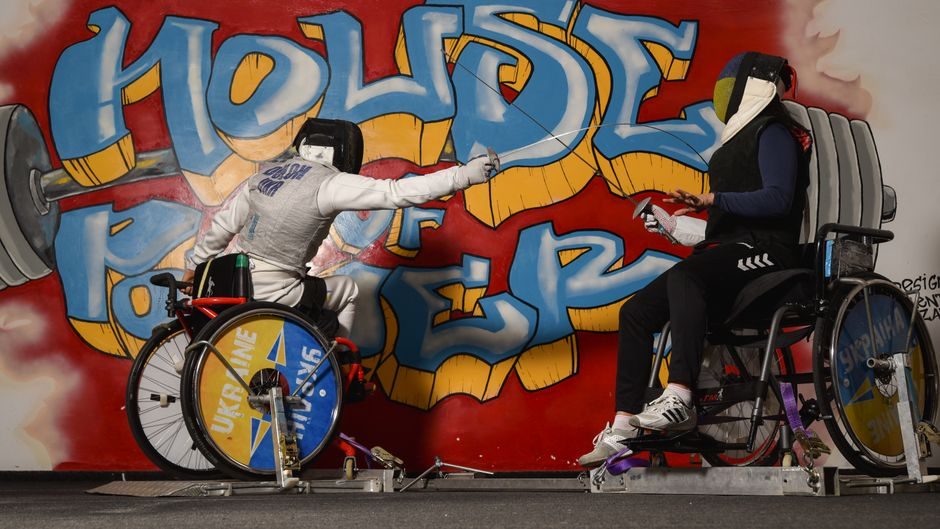
Write clear, plain-language descriptions that accommodate readers with varying literacy levels. Include essential accessibility notes, such as wheelchair access and live-captioning when available.
- Provide clear access information
- State time in local time
- Offer alternate formats
Use standard dates and times, and avoid time zone confusion by localizing to London time. Readers should not have to translate the details to attend.
Include alternative formats or contact options for readers who rely on assistive technologies or translations.
- Plain language descriptions
- Accessibility notes
- Clear time and place
- Alternative formats
- Contact options
Frequently asked questions
What makes a listing newsworthy?A listing is newsworthy when it informs readers about a local event that is timely, verifiable and relevant to the community. The description should be clear about date, location and purpose, with any changes easy to update.
How far in advance should submissions be made?Submit early enough for editors to verify details and publish ahead of peak attendance. Early submissions reduce the chance of last-minute corrections and ensure readers can plan.
Can listings be edited after publication?Yes. Editors may adjust times, venues or notes if new information becomes available. Updates should be reflected consistently across platforms to avoid reader confusion.
How should I describe an event's accessibility?Provide practical details such as wheelchair access, hearing or visual aids, and whether captions or translations are available. Include contact options for further accessibility questions.
Conclusion
Submissions that are concise, accurate and timely help readers navigate local life and civic participation. A clear listing reduces back-and-forth and strengthens trust in local journalism.
The next step is simple: check the submission rules, assemble a straightforward description with essential facts, and share it with the designated newsroom contact to ensure it reaches readers promptly.
Add Kano News as a preferred source on Google


