
How to place a death notice in Dublin: a practical guide
Learn the basics, options, and common pitfalls for placing a death notice in Dublin. Step-by-step guidance tailored for readers seeking clear, factual informati

A death notice informs the public of a loss and provides essential details about services and memorials. This explainer walks readers through how to place a death notice in Dublin, from choosing a publication to understanding timing and costs. The guidance focuses on practical steps and concrete considerations for families and editors alike.
In Dublin, notices appear in newspapers, online portals, and council or funeral home listings. The process is defined by local customs and publishing schedules, not by a single national rule. This primer helps readers compare options and plan a notice that respects the deceased and supports community members who rely on such notices.
A clear, organized approach helps avoid delays or errors. Readers will learn where to start, what information is typically required, and how to coordinate with funeral homes or publishers. The goal is to provide actionable, straightforward steps that work in real-world news contexts.
- This guide explains how to place a death notice in Dublin, including where to publish, what to include, and how to manage costs and timing.
- It covers public vs private listings, and the importance of accurate details and respectful tone.
- Readers will learn practical steps, from selecting outlets to proofreading and confirming proofs, with real-world checks and tips.
- The process balances community visibility with sensitivity to the family and the deceased.
Basics and options
What a death notice includes
A death notice should clearly identify the deceased, including name, age, date of death, and service details. It often mentions surviving relatives and a brief note of thanks or service information. The notice may also include timing, venue, and contact details for the family or funeral director. place a death notice in Dublin. A local publisher can guide you through deadlines and formats.
A notice can range from a brief obituary to a longer memorial insert. Many publishers offer templates to ensure consistency and readability. Families usually decide how formal or personal the tone should be.
When choosing where to publish, consider reach, credibility, and cost. Public notices may appear in multiple outlets to maximize awareness for friends and community members.
- Compare publication reach and deadlines
- Check if online versions stay viewable
- Ask about arm’s-length verification
- Assess tone and length expectations
Public vs. private listings
Public listings reach a broad audience and are often favored for community visibility. They provide a formal record that helps researchers, friends, and relatives locate information. Dates, venues, and charitable requests may be customary inclusions.
Private or semi-private notices offer a shorter, less costly option, sometimes limited to family and close friends. They trade breadth of exposure for simplicity and sensitivity. Publishers may still provide a public-facing page for transparency.
Choose based on audience expectations and budget, while ensuring accuracy. Public listings are common for significant services; private notes suit smaller or more discreet gatherings.
Where to publish in Dublin

Newspaper vs. online portals
Traditional newspapers in Dublin often carry death notices in a dedicated notices section aligned with print deadlines. Online portals provide faster publication and longer persistence on the web. Both formats reach different segments of the community and can complement each other. Dublin News & Updates helps readers understand how notices appear in the daily cycle and on community sites.
Online platforms may offer searchability and sharing features that boost visibility. They can accommodate longer memorial messages and photos. Consider combining a print notice with an online version for maximum reach.
Editorial calendars and regional focus influence timing; check the publication date and usual lead times. If speed is essential, online options can fill gaps before the print edition appears.
- Check for simultaneous print and online publication
- Confirm image and text limits
- Ask about archival access
- Review any platform-specific requirements
Costs and timing
Costs for death notices in Dublin vary by outlet and length. Ask for a clear breakdown of the base fee, add-ons, and any urgent or rush charges. Plan for potential currency or regional differences if multiple outlets are involved.
Timing is driven by deadlines tied to each publication; align the notice with funeral arrangements to avoid delays. If a service date changes, notify publishers promptly to adjust the notice.
Keep margins for updates or corrections, such as changes to service times or contact details. A well-timed notice reduces last-minute calls and confusion.
- Get a written quote
- Ask about editing and proofing
- Confirm cancellation policies
- Coordinate with funeral director
Content and tone
What to include
A typical notice lists the deceased’s full name, age, date of death, and service details. It may mention surviving relatives and a brief description of their life. Some notices include charitable requests or memorial preferences. get your event listed in Dublin is a phrase you may hear when coordinating memorials or community gatherings with notices.
Include basic biographical details that help readers identify the person. Avoid sensitive personal information that serves little public purpose.
Aim for clarity and respect; the tone should reflect the family’s wishes and the cultural norms of the Dublin community.
- Full name and age
- Death date and service details
- Surviving relatives
- Charitable requests or memorials
| Option | Reach and scope | Typical length |
|---|---|---|
| Public obituary | Broad local reach | Short to medium |
| Online memorial | Searchable, persistent | Medium length |
| Private notice | Limited audience | Very short |
Legal and ethical considerations
Publishers often require verification of death before printing. Use official notices or funeral home confirmations to prevent errors. Respect privacy by omitting sensitive personal information when not appropriate.
Avoid defamatory or sensational language. The obituary should be accurate and straightforward, with a focus on honoring the deceased and informing the community.
Publishers may have guidelines about photos, quotes, and formatting to ensure a consistent and respectful appearance.
Most notices allow a short window for proofs; use that time to confirm every element is correct.
Formatting and proofs

Proofing steps
Before publication, review the notice for spelling, dates, and contact details. Send corrections quickly to avoid last-minute changes. A fresh proof minimizes the chance of errors in the printed notice. add your business to the Dublin business directory can extend reach for funeral services and related vendors.
Most notices allow a short window for proofs; use that time to confirm every element is correct. If a change is needed, communicate it clearly and promptly.
Publishers typically send a final proof for approval; use this chance to protect accuracy and tone.
- Check names and dates carefully
- Confirm service details
- Verify contact information
- Approve final version
Layout and readability
Keep the notice concise and legible; long paragraphs can make it hard to read in print. Use standard fonts and avoid dense blocks of text. A balanced layout improves comprehension for readers who are scanning the page.
If including a photo, ensure it meets size and quality guidelines set by the publication. Captions should be short and informative.
Consider line breaks and punctuation that help readers quickly grasp key facts about services and options.
- Use short, clear sentences
- Limit to essential details
- Choose readable typography
- Add a caption for photos
How to verify information
Cross-check with multiple sources
When you place a death notice, confirm details with the family and the funeral home before publishing. Verify spellings of names, dates, and locations to prevent errors that can cause confusion later. Cross-check any anniversary dates or service times with the party responsible for the notice. second-hand items for sale in Dublin
The second paragraph should provide a concrete example of a verification step, such as reading back the draft to the contact person and obtaining a written confirmation. This helps ensure accuracy before it goes live.
A practical note: keep a short log of who you contacted and when, so you can trace changes quickly if a correction is needed. This reduces back-and-forth and speeds up publication.
- Double-check spellings
- Confirm dates and locations
- Record confirmations
- Ask for written notes
- Maintain a change log
Careful coordination with funeral homes
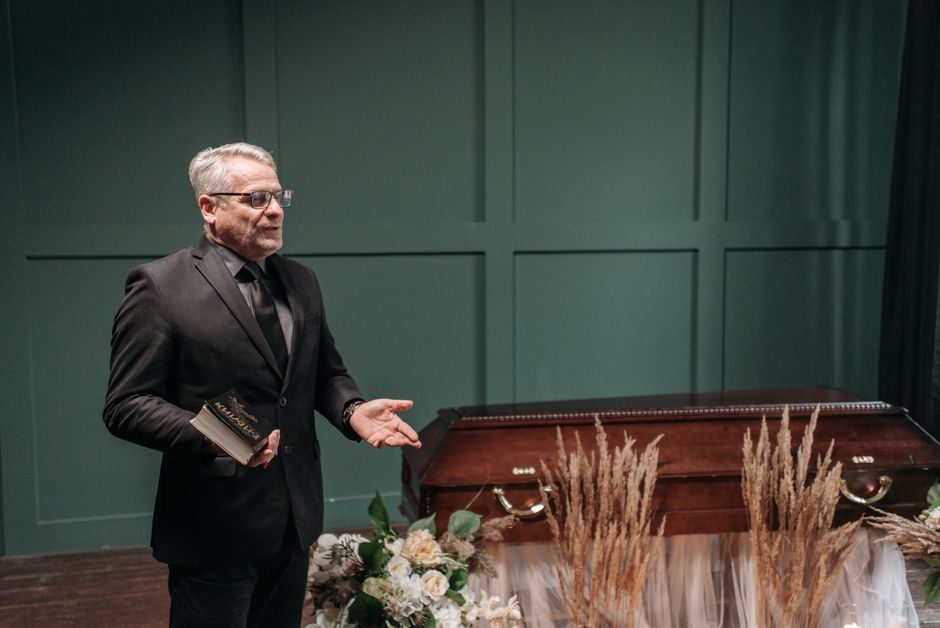
Liaise with the funeral director
A death notice often ties to a funeral program, so coordinate with the funeral director to avoid conflicting details. Share the exact wording you plan to publish and note any preferred emphasis. This helps ensure the notice aligns with the family’s plans.
Coordinate timing with the schedule of the notice and the funeral service. If the service date changes, adjust the notice promptly to reflect the latest information.
Maintain a respectful tone that reflects the family’s wishes, avoiding sensational language or unnecessary detail that distracts from the purpose of the notice.
- Share draft wording
- Confirm service details
- Agree on timing
- Respect family preferences
Prepare for last-minute edits
In some cases, details may change close to publication. Have a firm process to incorporate corrections quickly without losing the notice’s clarity. Prepare a revised draft that can be sent to the family for a final check.
Establish a cutoff time for edits and communicate it publicly so readers know when the notice is final. Quick turnarounds require precise tracking of changes.
Keep a version log to document edits and the rationale behind each change, which helps prevent repeated corrections.
- Set a fixed edit cutoff
- Use a version log
- Notify readers of updates if needed
- Confirm all edits with the family
Digital notices and archiving
Posting options and reach
Digital death notices come in different formats. Some outlets offer simple text notices, while others include longer tributes or photos. Choose a format that fits the family’s needs and the publication’s standards.
Consider the reach of each option: local papers may target residents nearby, while regional outlets can reach a broader audience. A well-chosen format improves visibility and comprehension.
Ensure the notice is accessible: keep typography legible, provide a clean layout, and avoid clutter that makes dates or times hard to read.
- Choose concise formats
- Assess audience reach
- Ensure readability
Archiving and retrieval
Most notices are archived by the publication for a defined period. Ask about the retention policy and how readers can locate past notices. If a family needs a copy later, know the process to retrieve or reproduce it.
Provide clear identifiers, such as the deceased’s name and service date, to aid searching. This helps relatives and researchers locate the notice quickly.
Keep backup copies of notices in an easily searchable format to minimize delays if the original page becomes unavailable.
- Clarify retention periods
- Use search-friendly identifiers
- Offer retrieval options
After publication and updates

Monitor for corrections
Even after publication, errors can appear. Establish a simple channel for readers or families to report corrections, and respond promptly. Quick corrections maintain credibility and trust in the publication.
Track each correction with a timestamp and a brief note on what was changed. This creates a transparent record for staff and readers.
Communicate clearly when changes occur, and confirm the updated text with the family if possible.
- Provide a correction channel
- Log changes with timestamps
- Confirm updates with families
- Publish corrected notice promptly
Communicating with readers
News readers value clarity and timeliness. When updates occur, explain what changed in plain language and why the change was necessary. This helps avoid confusion and preserves trust in the publication.
Offer readers a path to contact the newsroom with questions about a notice. A responsive approach reduces misinterpretations and frustration.
Respect privacy and sensitivity when discussing any updates that involve families or service details.
- Explain changes plainly
- Provide reader contact options
- Respect privacy constraints
Frequently asked questions
Is there a preferred format for notices in Dublin?Most outlets offer a range of formats, from short notices to longer tributes with photos. Families should be advised on what each option includes and how it affects visibility. The choice should fit the family’s needs and the publication’s standards.
Who owns the content of a death notice?The family typically supplies the information and consent. The publication formats and edits the notice, but ownership remains with the family and the outlet, with respect to privacy laws and policy.
How long does a notice stay archived?Retention periods vary by outlet. Readers can request copies or reprints within the policy window, and adjustments may be made if the family updates the information.
What happens if details change after publication?Publish a corrected version and note the change. A transparent approach keeps readers informed and preserves the notice’s integrity.
Final practical steps
A clear, careful process reduces errors and respects families. Establishing standards in verification, coordination, and updates builds newsroom reliability, and it helps readers trust notices as accurate records.
Next, set a fixed publication window and assign roles so notices move smoothly from draft to live.
Add Kano News as a preferred source on Google


