
Hinge European Phone Verification Service: practical guide for readers
A clear buyer's guide to Hinge European Phone Verification Service, explaining what it is, how it works, options, pitfalls, and practical tips for news readers.

What you gain by reading this guide is a clear view of how Hinge European Phone Verification Service works, why it exists, and what it can mean for users and news readers. The piece will explain the service in plain terms, compare available options, and flag potential pitfalls. The goal is to help you decide whether verification improves trust, and how to use it safely.
If you encounter verification requirements on dating apps, this article clarifies what to expect, what data may be used, and what steps you can take to protect your information. You’ll see concrete examples of typical verification workflows and practical signs of a robust process. Read on for a straightforward, reporter-style briefing.
This guide is written for everyday readers who want to understand a technical feature without jargon. It emphasizes concrete steps, real-world implications, and careful consideration of privacy and security when evaluating verification tools. By the end, you should feel prepared to assess the service in the context of current events and user safety.
- Hinge European Phone Verification Service is a tool to improve identity checks on dating apps in Europe. It raises trust by confirming ownership of a phone number and its regional legitimacy, while inviting scrutiny of data handling and regional rules.
- This guide compares verification models, privacy considerations, and practical steps for readers evaluating the service. It highlights common pitfalls, monitoring tips, and concrete actions to stay informed.
- Readers will learn how to assess the impact of verification on accessibility, safety, and trust, with clear steps for testing and reporting issues, plus a plan for tracking policy changes over time.
- Basics of verification on dating apps
- What to compare when evaluating options
- Potential pitfalls and warnings
- Tips for readers and users
- How verification signals influence platform trust
- Data retention and oversight
- Cross-border privacy considerations
- User rights and automated decisions
- Frequently asked questions
- Conclusion
Basics of verification on dating apps
What it does for trust
Verification reduces fake profiles by confirming user identity through a phone-based check. It’s a common layer used across dating platforms to improve match authenticity. Readers should note that verification is not foolproof, but it raises the threshold for impersonation. Hinge European Phone Verification Service
- ☐ Confirm your account details are correct before triggering verification
- ☐ Use a secure device with updated software
- ☐ Avoid sharing extra sensitive information beyond what is required
- ☐ Review privacy settings after verification
The process typically involves a short identity check and a phone number tied to a region. For news readers, the key point is how this affects platform integrity and user confidence. Consider how verification status might influence the perceived reliability of profiles in breaking news-related discussions.
In practice, users with verified status may experience smoother onboarding and fewer suspicious accounts reported by readers. The takeaway is that verification aims to reduce misinformation and bot activity, though outcomes vary by provider and implementation. Always check what a platform shares about its verification scope.
- Be aware of what data is requested
- Look for third-party audit statements
- Consider how regional rules affect verification
- Check if verification is optional or mandatory
- Observe how verification status is displayed
How Hinge uses it
Hinge’s European verification flow relies on a phone-based test to confirm ownership of the number and its regional validity. The exact steps can vary by jurisdiction, but the goal is to limit profile creation to real users in a given area. For readers, the practical effect is clearer identity signals on the app.
Expect prompts to receive a one-time code or complete a quick selfie check, depending on the model employed. The process should be straightforward, with clear instructions and a secure channel for data transfer. The bigger question remains how long data stays on file and who can access it.
If verification is not completed, some features may be restricted or delayed. The outcome for readers is a trade-off between convenience and stronger identity checks, with different enforcement in European markets and beyond.
What to compare when evaluating options

Different verification models
Many platforms use SMS codes, selfies, or biometric checks. Each model has different privacy implications and user friction. For news readers, the key is understanding how consent is obtained and how long data is stored.
Some services combine multiple checks to reduce fraud, while others rely on a single step. Look for transparency about data handling and regional compliance. This matters for how your information could be used in future stories about data privacy.
The choice of model affects accessibility for users in border regions or with limited connectivity. A robust model balances security with inclusivity, which is particularly relevant for a European audience.
- SMS codes may be intercepted or delayed
- Selfie-based checks raise concerns about biometric data
- Biometric options require stronger privacy safeguards
- Transparency about retention periods should be visible
- Consent and control settings matter for users
Privacy and data use
Verify what data is collected, stored, and shared. Readers should know whether verification data is treated as sensitive personal data and how long it remains accessible to the platform. Clear policies help set expectations for privacy.
Understand if data is used for analytics, advertising, or cross-service sharing. News readers should watch for platform explanations on data minimization and purpose limitation.
Assess regional data protection standards and any cross-border transfers. A rigorous approach includes audits, third-party assessments, and user-friendly privacy controls.
- Data minimization is preferable
- Clear retention timelines help users plan
- Third-party audits add credibility
- Accessible privacy controls are essential
- Cross-border transfers should be disclosed
Potential pitfalls and warnings
Common mistakes to avoid
Rushing through verification can leave gaps in security. Take time to read prompts, check permissions, and confirm which data is shared. A careful user reduces exposure to data leakage.
Some users assume verification guarantees authenticity; this is not always the case. Verification signals can be manipulated or bypassed by determined actors, especially if additional checks are weak.
Be mindful of regional differences in rules and enforcement. A process that works in one country may operate differently elsewhere, affecting both access and privacy protections.
- Rushed submissions
- Assuming perfection of verification
- Ignoring regional policy differences
- Incomplete privacy reviews
- Unclear data-sharing terms
| Model | Privacy impact | User friction |
|---|---|---|
| SMS codes | Moderate | Low to moderate |
| Selfie checks | Higher | Moderate to high |
| Biometric options | High | Variable |
How to monitor verification impact
Keep an eye on platform updates about verification, including any changes to data practices. News readers benefit from noting when a service expands or restricts verification.
Ask questions about how verification affects accessibility, moderation, and incident response. Clear communications from the platform help readers understand implications for safety and trust.
Consider how verification status is displayed in profiles and search results, and whether it correlates with reported reliability in stories.
- Track changes to privacy policies
- Watch for shifts in user moderation
- Observe how verification appears in profiles
- Note any public incident reporting
- Evaluate how trust signals evolve over time
If you’re evaluating a platform, start by reading its official verification policy.
Tips for readers and users

Practical steps for readers
If you’re evaluating a platform, start by reading its official verification policy. Compare the stated retention and deletion rules for your data.
Test the verification process with a non-critical account to understand the flow and timing. Observing user prompts firsthand helps separate theory from practice.
Document any unclear terms and seek updates from the platform if something seems inconsistent. Clear notes support accurate reporting and personal safety.
- Read the policy carefully
- Test the flow with a non-critical account
- Keep records of notifications and terms
- Ask for clarity when terms are vague
- Report suspicious or misleading prompts
Red flags to watch in coverage
When reporting on verification, look for verifiable details rather than anecdotes. Cite policy changes, audit statements, and regional guidance to give readers a factual picture.
Highlight who benefits from stricter checks and who may be excluded by tighter controls. Balanced coverage helps readers assess risk and fairness.
Explain how verification interacts with broader online safety topics like fraud prevention and account security for readers who follow current events closely.
- Cite official documents
- Identify impacted user groups
- Explain broader safety context
- Avoid speculative claims
- Track enforcement outcomes
How verification signals influence platform trust
How trust signals work in practice
Verification signals on dating apps shape user trust by reducing anonymous interactions. When a profile shows verified status, readers can proceed with more confidence, especially in unfamiliar markets. Real-world examples include biometric or authentication checks that limit fake profiles.
- Assuming a badge means perfect safety; verify by reading profile content
- Ignoring multi-step verification that reduces fraud
- Relying on a single indicator when multiple signals exist
These signals act as a quick, visual cue for authenticity, but they are not foolproof. Readers should still cross-check profile content and interaction quality before sharing personal details. In fast-moving news contexts, such signals help readers assess risk during rapid reporting of user experiences.
- Look for verification badges
- Note the type of verification
- Observe consistency across the profile
- Cross-check with recent activity
Data retention and oversight
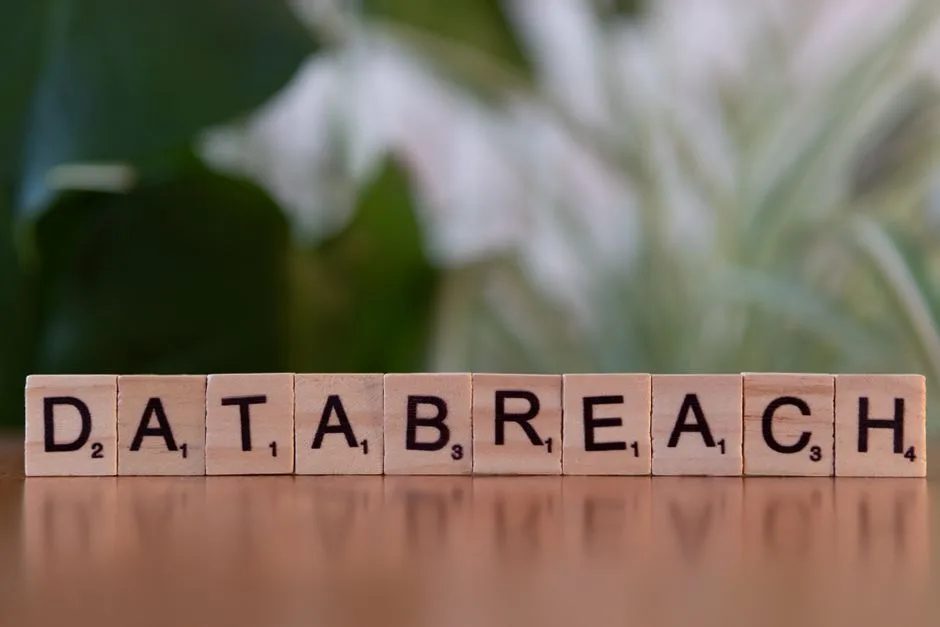
How data is retained and reviewed
Platforms outline how long data is kept, often tied to legal requirements or policy audits. For readers, this means understanding what personal information may persist after a deleted account. Clear retention policies help assess privacy risk in case of data breaches or requests from authorities.
Oversight typically includes internal review, external audits, and transparency reports. Readers should look for disclosures about data access by workers, third parties, and the scope of automated processing. In a newsroom context, this matters when reporting on platform behavior and user rights.
When missteps occur, retention practices influence how long sensitive information can resurface in public discussions. Keeping data for extended periods increases exposure risk during investigations or data leaks. Readers should track any promised timelines or triggers for data deletion.
- Check stated retention periods
- Identify who can access data
- Look for deletion timelines
- Note any data-sharing with third parties
Cross-border privacy considerations
How international rules affect users
Privacy rules vary by country and affect how data is handled across borders. Readers operating in multiple jurisdictions should note where data is stored and processed. This matters for journalists covering cross-border stories where source information travels between regions.
- Assuming international data travel is always allowed
- Overlooking the role of data localization policies
- Ignoring safeguards on cross-border access
Cross-border transfers can involve standard contractual clauses, legal requests, or local data protection norms. Readers should verify whether a platform uses regional data centers or cloud providers with different privacy regimes. In practice, this affects how quickly data can be deleted or corrected during reporting.
Staying informed about data localization requirements helps readers push for responsible handling of sensitive information. When evaluating a service, confirm if user data can be accessed by personnel outside your home country and under what safeguards.
- Check data transfer disclosures
- Ask about data localization
- Look for access controls for overseas staff
- Understand how legal requests are handled
User rights and automated decisions

What users can request and expect
Users typically have rights to access, rectify, or delete data, and to object to automated processing. Readers should know how to exercise these rights and where to submit requests. In journalism, clearing data quickly supports transparent reporting and accountability.
Automated decisions can influence profile visibility, recommendations, or safety flags. Readers should learn how these systems work and what options exist to appeal or override certain outcomes. Clear timelines for responses help readers plan their reporting activity.
Platforms may provide transparency reports or dashboards showing how decisions are made and audited. Understanding these tools lets readers distinguish between user control and system defaults. In practice, documented processes enable faster remediation when issues arise.
- Request data access
- Submit corrections
- Ask for human review of automated outcomes
- Track response timelines
Frequently asked questions
Is verification on European dating apps mandatory for all users?Most platforms offer optional or tiered verification to improve trust, not a blanket requirement. Expect varying methods and visibility across markets. If a badge appears, assess how it was obtained and what it guarantees.
How long can data from verification remain accessible after a profile is deleted?Retention depends on local laws and platform policy. Look for stated deletion timelines and any backups that may retain data briefly for security or legal purposes. Check how deletion interacts with reports and investigations.
Can data be accessed by employees outside Europe?Many platforms limit access to essential staff and contractors, with access controls and audit trails. Some data might be stored in regional centers, subject to local laws and internal policies. If in doubt, request a data-access policy.
What recourse exists if automated decisions seem unfair?Submit a human-review request or appeal through the platform’s channels. Document the incident, provide context, and ask for explanation of the decision logic and any available override mechanisms.
Conclusion
Takeaways: verification signals can help readers gauge trust, but they do not replace careful evaluation of profiles, conversations, and reports. Use official policy documents to confirm what a badge means and how data is handled.
Next steps: contact the platform for written clarifications on data retention, cross-border processing, and automated decisions, then compare these answers across services to form a grounded judgment for readers.
If you enjoyed this article, we recommend checking out What is Hinge verification code and for further reading.
For more insights on this topic, you might find Hinge Activation SMS Online: klare Nutzung particularly informative.
If you enjoyed this article, we recommend checking out What is Hinge Austria Verification Number for further reading.
Add Kano News as a preferred source on Google

