
A practical guide to post an ad in France for readers
Clear, actionable steps to déposer une annonce en France, with checks, options and pitfalls for news readers tracking postings and online listings in France.

A clear guide explains how to déposer une annonce en France, why it matters for readers, and what to expect from the process. This piece breaks down the steps so you can post accurately and avoid common missteps.
You’ll find practical checks for eligibility, required information, and typical timelines. The goal is to give readers a reliable roadmap that can be followed quickly, without jargon or guesswork.
Across the following sections, you’ll see real-world examples, concrete options, and simple warnings to keep listings compliant and visible.
- Post with accuracy and clarity to keep readers informed. Stand by verified details and avoid unsubstantiated claims.
- Choose the right platform to balance reach and relevance, and tailor the listing format accordingly.
- Provide essential contact details and media to aid quick reader assessment, and monitor responses promptly.
- Always include a safety check and verification steps to protect readers and maintain trust in reporting.
Basics of posting: what you must know
Legal basics for ads
Know the basic rules that apply to online ads in France, including what content is allowed and what must be disclosed. Check platform-specific policies and local consumer rules. This prevents takedowns or penalties that disrupt coverage or postings. déposer une annonce en France enables you to list property, jobs, or events with local relevance.
- ☐ Identify the platform and its posting rules
- ☐ Prepare title, description, and location
- ☐ Include contact method and price if relevant
- ☐ Review for accuracy and compliance
Be ready to provide standard details such as contact information, item description, price range, and location. Accuracy reduces disputes and improves reader trust on a breaking-news cycle.
Consider regional differences in posting rules and how they affect visibility in local feeds. A clear, truthful listing supports responsible reporting and reader confidence.
- Provide accurate title and description
- Confirm contact method
- Include location and price if relevant
- Follow platform terms of use
- Avoid prohibited content
Formats and timelines
Different platforms may require distinct formats, but the core elements stay the same: a factual title, a concise description, and verifiable contact details. Prepare a brief, readable description to accompany any claims. This helps readers quickly gauge relevance in a fast news cycle.
Posting timelines vary by site and region; some ads stay up longer, others expire quickly. Plan your listing to run through the period when readers most need it for context.
Always verify whether an ad needs renewal or updates to reflect new information. Fresh details help prevent misinformation spreading through reporting.
- Use consistent terminology
- Keep descriptions current
- Set reminders for renewals
- Monitor for responses
- Respect user safety guidelines
Where to post: options and trade-offs
Public listings vs specialized sites
Public classifieds attract broad audiences but can be noisy. A targeted site helps ensure readers see items in relevant contexts. For news readers, this is about credible visibility and fewer distractions. Actu Français dernières actualités keeps readers informed about the latest developments that could affect listings and nearby communities.
- Some sites verify identity before posting
- Moderation can delay visibility
- Clear photos improve engagement
Specialized platforms may require verification steps or stricter content rules. Be prepared to provide supporting details if asked and to adjust the listing to meet standards.
Consider the audience and how quickly responses come in. A focused site can yield quicker, more reliable inquiries for timely topics.
- Broad reach vs precision
- Verification requirements
- Response speed
- Reader trust
Free vs paid promotions
Some platforms offer free listings, others promote posts for a fee. For news readers, paid boosts can increase visibility when a listing matters to the community. Weigh the cost against potential reach and timeliness.
Free listings often rely more on timing and description quality than paid boosts. Invest in clear, neutral copy to maximize reach without spending.
Paid options can be effective for urgent notices or time-sensitive events, especially if a story is developing and readers need quick access.
- Compare reach and cost
- Assess urgency
- Write neutral copy
- Track results and adjust
What to include: essential details
Core information to include
A good listing answers who, what, where, when, and how. Include a brief, factual description and a valid contact method for follow-up questions. agenda des événements en France helps readers plan and understand upcoming happenings alongside listings.
Avoid vague terms that require back-and-forth. State terms plainly to reduce confusion and keep readers on track with breaking news coverage.
Add any relevant media, such as photos or documents, to corroborate the listing and help readers assess relevance.
- Who is offering?
- What is for sale or event?
- Where is it located?
- When does it start/end?
- How can readers contact you?
| Platform type | Reach | Verifiability |
|---|---|---|
| Public listings | Broad audience | Lower verification |
| Specialized sites | Niche audience | Higher verification |
| Paid promotions | Faster visibility | Variable verification |
Verification and safety
Verification reduces scams and misinformation. For readers, visible verification means credibility and faster responses in a newsroom environment.
Provide verifiable details when possible, and be cautious about sharing sensitive personal information. Use platform messaging to keep records intact.
If something feels off, remove or update the listing and report suspicious activity through official channels.
- Use platform verification tools
- Protect personal data
- Keep records of exchanges
Compare performance over time to spot trends, such as a sudden drop in clicks after a change in copy or price.
Measurement and analytics
Tracking basic metrics
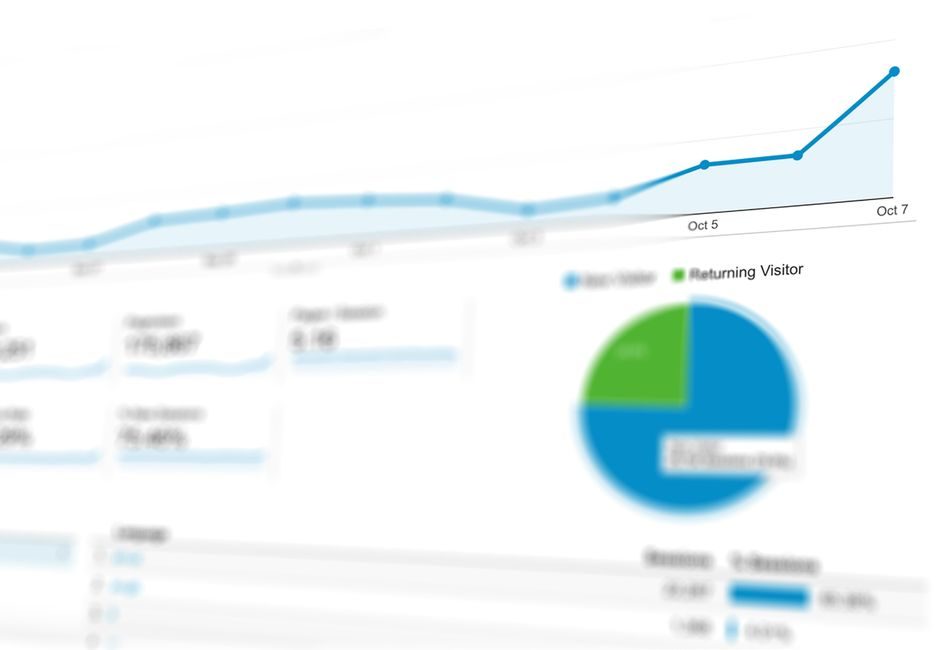
This section explains the core metrics readers expect when an ad runs. It covers impressions, clicks, and inquiries, and what each one reveals about engagement. Use plain language so readers understand how a listing performs in real time. référencer votre entreprise en France improves local visibility for readers seeking credible, local information and services.
- Start with a clear goal for your post, then monitor the metric that best reflects that goal.
- Set a simple daily check to compare today vs yesterday, and adjust if needed.
Compare performance over time to spot trends, such as a sudden drop in clicks after a change in copy or price. This helps reporters decide whether to adjust details or re-run the ad in a different slot.
Knowing which metric matters most for your ad goal prevents wasted effort. If visibility is the aim, prioritize reach and impressions; if responses matter, watch clicks and inquiries.
- Impressions show how many times the ad appeared
- Clicks indicate reader interest
- Inquiries suggest genuine engagement
- Conversion rate links clicks to outcomes
- Time-of-day effects can shift results
Legal considerations
Compliance basics for postings
This sub-section outlines essential legal checks before posting, such as truthful content, no copyrighted images, and clear terms of sale or service. It explains why accuracy prevents complaints and takedowns. avis de décès France
Provide contact details and a transparent method for readers to reach you with questions or corrections. This builds trust and reduces disputes.
Regularly review platform rules and national or regional advertising laws to stay current, especially for regulated categories like housing or employment.
- Truthful descriptions only
- Clear price and terms
- Non-deceptive images
- Respect regional advertising rules
- Provide contact method
Multimedia tips

Visuals that reinforce trust
High-quality photos set reader expectations and reduce misinterpretations. Use well-lit images showing the item in its typical setting and avoid misleading angles.
Caption each image with concise context so readers don’t guess details. This minimizes follow-up questions and complaints.
Balance images with textual details; remember that text remains the primary source of information for many readers.
- Use natural light
- Show the item in context
- Avoid editing that misrepresents the item
- Include a caption with key facts
- Limit clutter in the frame
End-of-life management
Responsible disposal options
This section guides readers on how to responsibly dispose of items once they are no longer useful. It covers local recycling streams, donation options, and hazardous waste considerations when applicable.
Provide steps to prepare items for pickup or drop-off, such as cleaning, tagging, or disassembly. This helps ensure a smooth handoff to the recipient or recycler.
Keep a short list of trusted local services or state resources readers can reference for bulky items or sensitive materials.
- Identify local recycling rules
- Prepare items for collection
- Choose donation if usable
- Check for hazardous components
- Document pickup receipts
Frequently asked questions
How long should I wait before refreshing an ad?Most readers refresh when the listing begins to lag in visibility or when new information becomes available. A practical tactic is to refresh after 24 to 48 hours of unchanged performance, then again if there is a change to price, condition, or availability. This keeps the listing relevant without triggering platform penalties. Maintain a simple changelog to track edits.
What details are essential in responses to inquiries?Responding quickly with clear, specific information helps readers decide. Include the item’s condition, exact price, pickup or delivery plan, and a reliable contact method. Keep messages aligned with the listing text to avoid confusion, and avoid sharing unnecessary personal data.
How should I handle a low-risk payoff versus high-risk items?Assess risk by item type and reader interest. For low-risk, keep a straightforward description and standard safety steps. For higher-risk items, offer documented pickup terms, require payments through a traceable method, and set clear boundaries about inspection and return policies.
When is it appropriate to remove an ad?Remove an ad promptly when the item is sold, a listing becomes misleading, or a platform rule requires it. If you expect a delay, mark the listing temporarily unavailable rather than deleting it, and keep a note of the final sale or transfer date for records.
Next steps for readers
Readers can turn these practices into a repeatable posting workflow by drafting a checklist that covers verification, visuals, and disposal planning before publishing.
The plan should include a disposal timeline aligned with the posting, ensuring readers can clear clutter while staying compliant and transparent.
Add Kano News as a preferred source on Google


