The State of Global Economies
The world economy is experiencing a period of significant transformation, marked by a complex interplay of factors including the lingering effects of the COVID-19 pandemic, geopolitical tensions, and technological advancements. As we delve into 2023, understanding these dynamics is crucial for policymakers, businesses, and investors alike. This article explores the key trends shaping the global economic landscape and provides insights into what lies ahead.
The Impact of Geopolitical Tensions
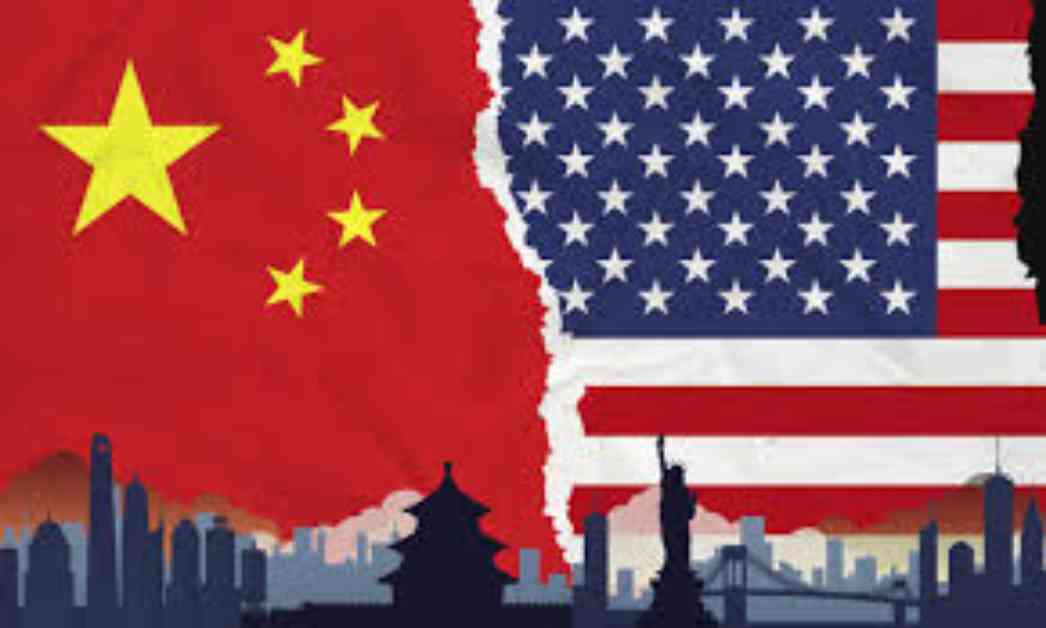
Geopolitical tensions have emerged as a major disruptor in the global economy. Conflicts such as the Russia-Ukraine war have led to significant disruptions in supply chains, energy markets, and financial systems. The sanctions imposed on Russia have had far-reaching consequences, affecting everything from commodity prices to international trade. In this volatile environment, businesses and investors must stay informed and adaptable to navigate the uncertainties effectively.
Supply Chain Disruptions and Inflation
One of the most immediate impacts of geopolitical tensions has been the disruption of global supply chains. The war in Ukraine, a major exporter of grains and other commodities, has led to shortages and price hikes. This has contributed to inflationary pressures worldwide, with central banks struggling to balance the need for economic growth with the need to control rising prices. Consumers and businesses alike are feeling the pinch, as the cost of living and production continues to rise.
Energy Market Volatility
The energy sector has been particularly affected by geopolitical tensions. The European Union’s reliance on Russian natural gas, for instance, has been a major point of contention. As Europe seeks to diversify its energy sources, the global energy market has become more volatile. This volatility has led to increased investment in renewable energy sources, as countries look to reduce their dependence on fossil fuels and achieve energy independence.
The Role of Technology in Economic Growth
While geopolitical tensions pose challenges, technological advancements continue to drive economic growth. The rapid development of artificial intelligence, blockchain, and other emerging technologies is transforming industries and creating new opportunities. For investors, understanding these trends is crucial. Resources like top investment strategies for growth investors can provide valuable insights into how to capitalize on these technological advancements.
The Rise of Digital Currencies
One of the most significant technological developments in recent years has been the rise of digital currencies. Central banks around the world are exploring the potential of central bank digital currencies (CBDCs), which could revolutionize the financial system. These digital currencies offer the potential for faster, more secure transactions and could reduce the reliance on traditional banking systems. However, they also raise questions about privacy and security, which will need to be addressed as this technology evolves.
The Impact of Artificial Intelligence
Artificial intelligence (AI) is another technology that is transforming the global economy. From healthcare to finance, AI is being used to improve efficiency, reduce costs, and create new products and services. The AI market is expected to grow significantly in the coming years, with investments pouring in from both the public and private sectors. For businesses, understanding how to leverage AI effectively will be key to staying competitive in an increasingly digital world.
The Future of Work
The future of work is another area that is undergoing significant transformation. The COVID-19 pandemic has accelerated the shift towards remote work, with many companies adopting hybrid work models. This shift has had a profound impact on the job market, with some industries thriving while others struggle to adapt. As we move forward, the ability to adapt to these changes will be crucial for both employers and employees.
The Gig Economy
The gig economy has emerged as a major trend in the future of work. Platforms like Uber, Lyft, and Fiverr have made it easier than ever for people to find short-term work opportunities. This has led to a more flexible job market, but it has also raised questions about job security and worker rights. As the gig economy continues to grow, policymakers will need to address these issues to ensure that workers are protected.
The Skills Gap
The skills gap is another challenge that the future of work presents. As technology continues to evolve, the demand for certain skills is increasing, while the demand for others is declining. This has led to a mismatch between the skills that workers possess and the skills that employers need. Addressing this skills gap will require a concerted effort from governments, educational institutions, and businesses to ensure that workers are equipped with the skills they need to succeed in the future job market.
Conclusion
The global economic landscape is undergoing significant transformation, driven by a complex interplay of geopolitical tensions, technological advancements, and shifts in the future of work. Navigating these challenges will require a combination of adaptability, innovation, and strategic thinking. For investors, understanding these trends and leveraging resources like top investment strategies for growth investors will be crucial to capitalizing on the opportunities that lie ahead. As we move forward, the ability to stay informed and adapt to change will be key to success in an increasingly uncertain world.
Amidst the ever-changing financial landscape, understanding personal wealth management is crucial; our latest feature, essential strategies for financial growth, offers expert advice to help you navigate these waters.
To gain a deeper understanding of the evolving economic landscape, delve into our analysis of global economic shifts this year.
As digital transformation continues to reshape industries, Perth’s banking evolution offers a glimpse into the shifting financial landscape and its implications for consumers and businesses alike.