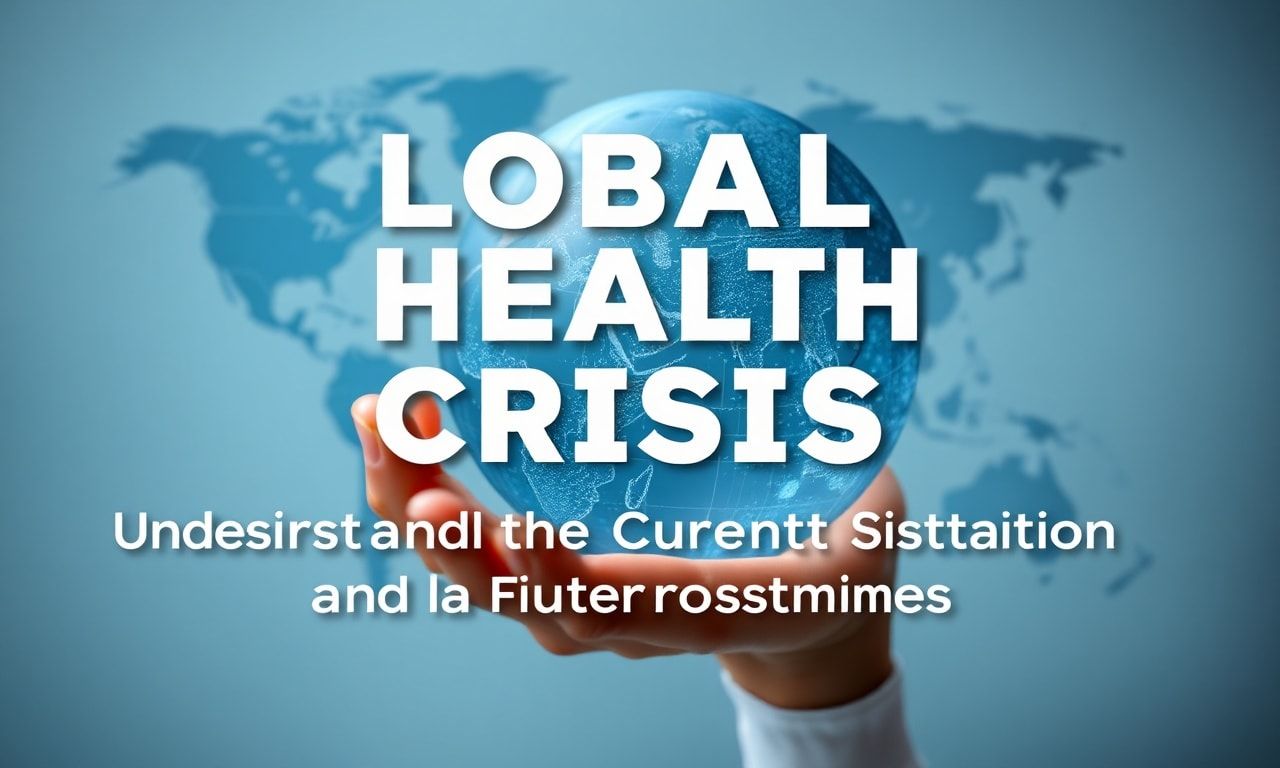
The Evolving Global Health Crisis
The world is currently grappling with a myriad of health challenges that transcend borders and demographics. From the ongoing COVID-19 pandemic to the resurgence of old diseases and the emergence of new health threats, the global health landscape is more complex than ever. Understanding these issues is crucial for policymakers, healthcare professionals, and the general public to navigate the current crisis and prepare for future challenges.
The Ongoing Impact of COVID-19
The COVID-19 pandemic has been a defining event of the 21st century, causing unprecedented disruption to global health systems. As of the latest reports, the virus has infected millions worldwide, with new variants continuing to emerge. The pandemic has highlighted the critical need for robust healthcare infrastructure, equitable vaccine distribution, and global cooperation. Despite the rollout of vaccines, the fight against COVID-19 is far from over, with ongoing efforts to address vaccine hesitancy and ensure global access to healthcare resources.
Vaccine Inequality and Global Health Disparities
One of the most pressing issues in the fight against COVID-19 is the stark inequality in vaccine distribution. While wealthier nations have made significant progress in vaccinating their populations, many low- and middle-income countries continue to struggle with limited access to vaccines. This disparity not only hampers global efforts to control the pandemic but also exacerbates existing health inequalities. Addressing these disparities requires coordinated international efforts and increased funding for global health initiatives.
For more in-depth analysis and updates on global health issues, visit health news on global health issues.
The Resurgence of Old Diseases
In addition to the ongoing COVID-19 pandemic, the world is also witnessing the resurgence of old diseases that were once thought to be under control. Diseases such as measles, polio, and tuberculosis are making a comeback due to a variety of factors, including vaccine hesitancy, weakened healthcare systems, and the diversion of resources to combat COVID-19. This resurgence poses a significant threat to global health and underscores the importance of maintaining strong public health measures and vaccination programs.
Measles Outbreaks and Vaccine Hesitancy
Measles, a highly contagious disease that was once nearly eradicated in many parts of the world, has seen a resurgence in recent years. This resurgence is largely attributed to vaccine hesitancy, fueled by misinformation and distrust in healthcare systems. The consequences of measles outbreaks can be severe, particularly for young children and immunocompromised individuals. Addressing vaccine hesitancy requires a multifaceted approach, including education, community engagement, and the dissemination of accurate information.
Emerging Health Threats
The global health landscape is constantly evolving, with new health threats emerging on a regular basis. From antibiotic-resistant bacteria to emerging viruses, the world must remain vigilant and prepared to respond to these challenges. Investing in research, surveillance, and public health infrastructure is crucial for detecting and mitigating emerging health threats before they become full-blown crises.
Antibiotic Resistance: A Growing Concern
Antibiotic resistance is one of the most pressing health threats of our time. The overuse and misuse of antibiotics have led to the emergence of drug-resistant bacteria, which pose a significant risk to global health. Without effective antibiotics, common infections can become life-threatening, and routine medical procedures can become much riskier. Addressing antibiotic resistance requires a coordinated global effort, including the development of new antibiotics, improved infection control measures, and the promotion of responsible antibiotic use.
Preparing for Future Health Challenges
The current global health crisis serves as a stark reminder of the importance of preparedness. Building resilient healthcare systems, investing in research and development, and fostering global cooperation are essential for addressing current and future health challenges. By learning from the lessons of the past and taking proactive measures, the world can better prepare for the health threats of tomorrow.
Strengthening Healthcare Infrastructure
Strengthening healthcare infrastructure is a critical component of preparedness. This includes investing in healthcare facilities, training healthcare workers, and ensuring the availability of essential medical supplies. A robust healthcare infrastructure is better equipped to respond to health emergencies, provide timely care, and protect the health of the population.
Additionally, investing in research and development is crucial for advancing medical knowledge, developing new treatments, and improving public health outcomes. By supporting innovation and collaboration, the world can better address the complex health challenges of the 21st century.